
EcoFlow Alternator Chargers 500W and 800W Model Review
Updated:
Extend your off-grid adventures with EcoFlow’s Alternator Chargers! I tested both the 500W Alternator Charger and 800W Alternator Charger models to see which is the best fit for your van, truck, or RV setup. EcoFlow’s Alternator Chargers are similar to DC-to-DC chargers, pulling energy from your vehicle’s alternator to keep your power station topped up while driving. When used with the XT150 cable, it also unlocks reverse charge and battery maintenance modes, adding even more flexibility for off-grid power solutions in vans, RVs, and overland setups.
Short on time? Check out my summary review (2 min read) instead of this detailed one.
Not sponsored. Thanks for supporting small independent creators. Affiliate links may earn me a small commission at no extra cost to you (info).
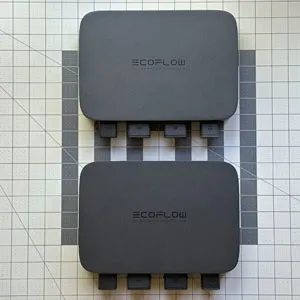
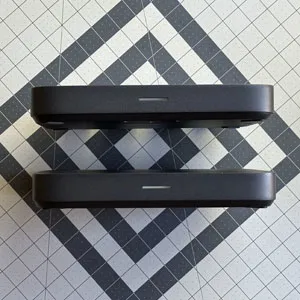
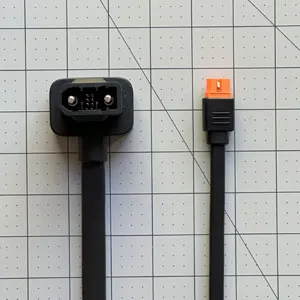
I started using the 800W model in summer 2024 on trips ranging from short getaways to month-long journeys. In April 2025, EcoFlow sent me the 500W model with XT60 cable. Here’s how the two models and cables compare.
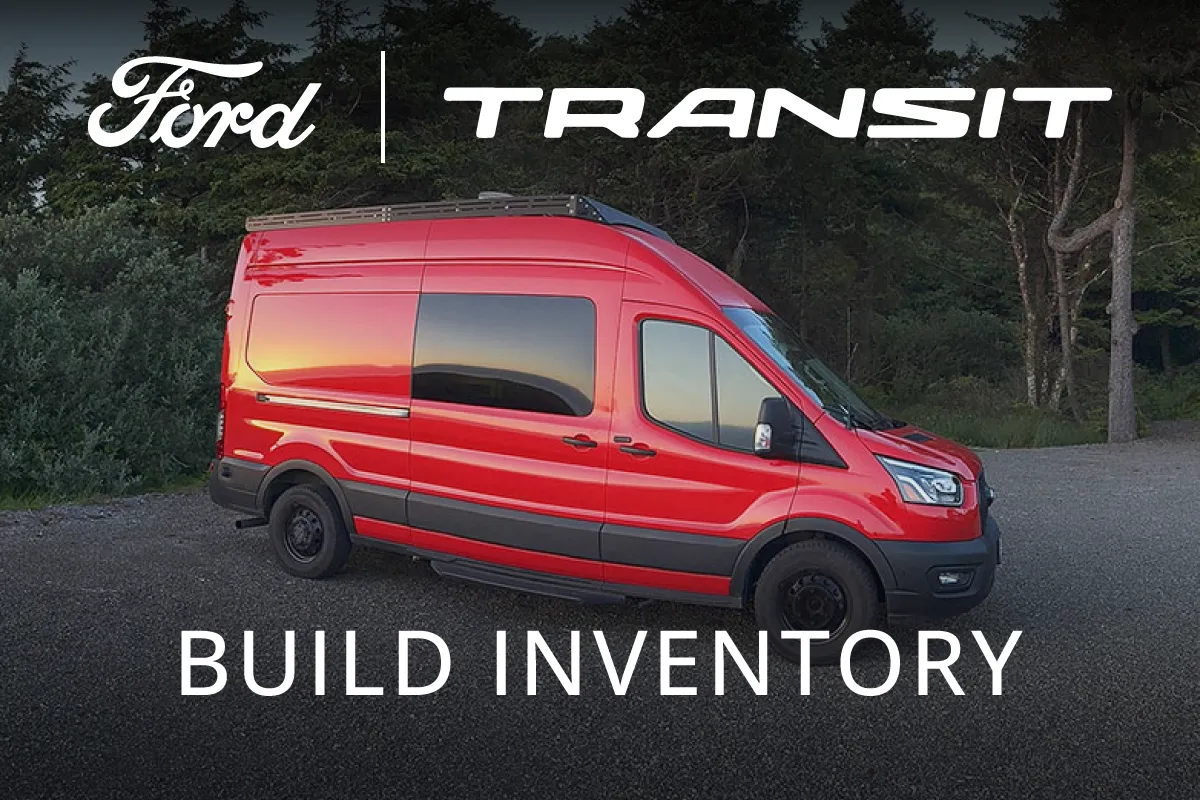
Overview
- 3-in-1 multifunctional design: In addition to charging, both models offer reverse charging and battery maintenance modes for the vehicle's battery when used with the XT150 or Custom Fit output cables.
- Compatible with many cars and devices: Also works to charge other brands of power stations (Bluetti, Jackery, etc.) when using the XT60 output cable.
Key Differences
The main differences between the two models are the included cable and max power output:
- Output Cable: 800W includes XT150 cable, 500W includes XT60 cable.
- Features: Output cable changes what features are enabled and maximum power output.
- Compatibility: Both models are compatible with any of the three output cables.
Specifications
Detailed comparison of Gen 1 EcoFlow alternator chargers:
| Model | 800W | 500W |
|---|---|---|
| Photo | 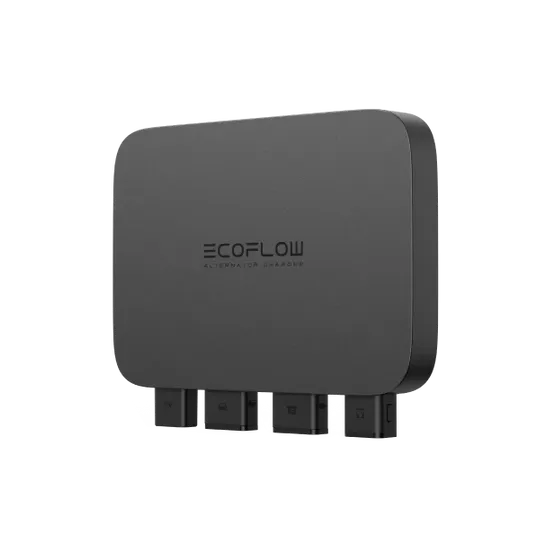 | 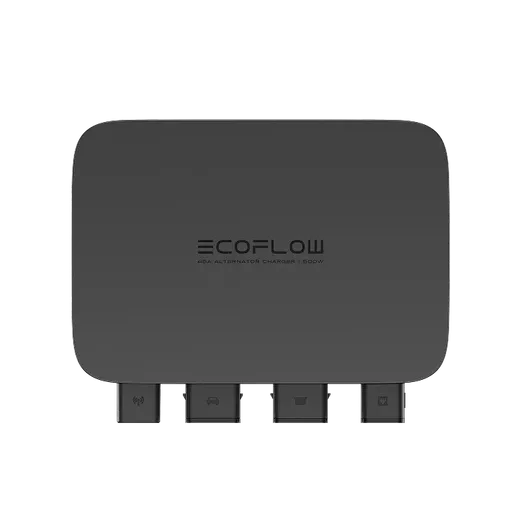 |
| Links | ||
| Price | $289 | $199 |
| Cable Included 2 | XT150 1 | XT60 1 |
| Max Charge Rate 3 XT60 cable | 500W | 500W |
| Max Charge Rate XT150 cable | 800W | 500W |
| Max Reverse Charge 3 XT150 cable | 800W | 500W |
| Battery Maintenance 3 XT150 cable | 100W | 100W |
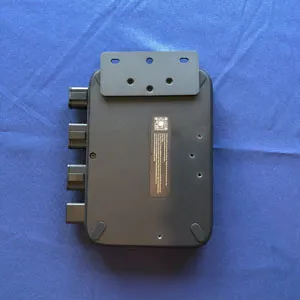
| Size | 9.5 × 7.6 × 1.4" (242 × 194 × 35 mm) | 9.5 × 7.6 × 1.4" (242 × 194 × 35 mm) |
| Weight | 5.1 lbs (2.3 kg) | 3.5 lbs (1.6 kg) |
1. Bolded values are defaults with included cable. 2. Custom Fit Output Cable offers same functionality and charge rates as XT150 output cable. 3. Reverse Charge and Battery Maintenance modes aren't supported while using the XT60 output cable and the max charge rate could be lower depending on the power station.
Full Specifications
EcoFlow recommends you keep the total electrical load of the vehicle, including all accessories and the alternator charger, below 50% of the alternator's rated capacity. EcoFlow states a typical alternator generates approximately twice the power required for a basic vehicle system while driving.
Check Compatibility
View my detailed compatibility guide for confirmed EcoFlow power station support and 3rd-party battery system limits. My guide outlines the exact wattage limits for every combination of EcoFlow power station, alternator charger model, and output cable (XT60, XT150, or Custom Fit). It also includes a compatibility calculator for 3rd-party brands like BLUETTI, Jackery, and Anker to ensure your setup is safe and efficient.
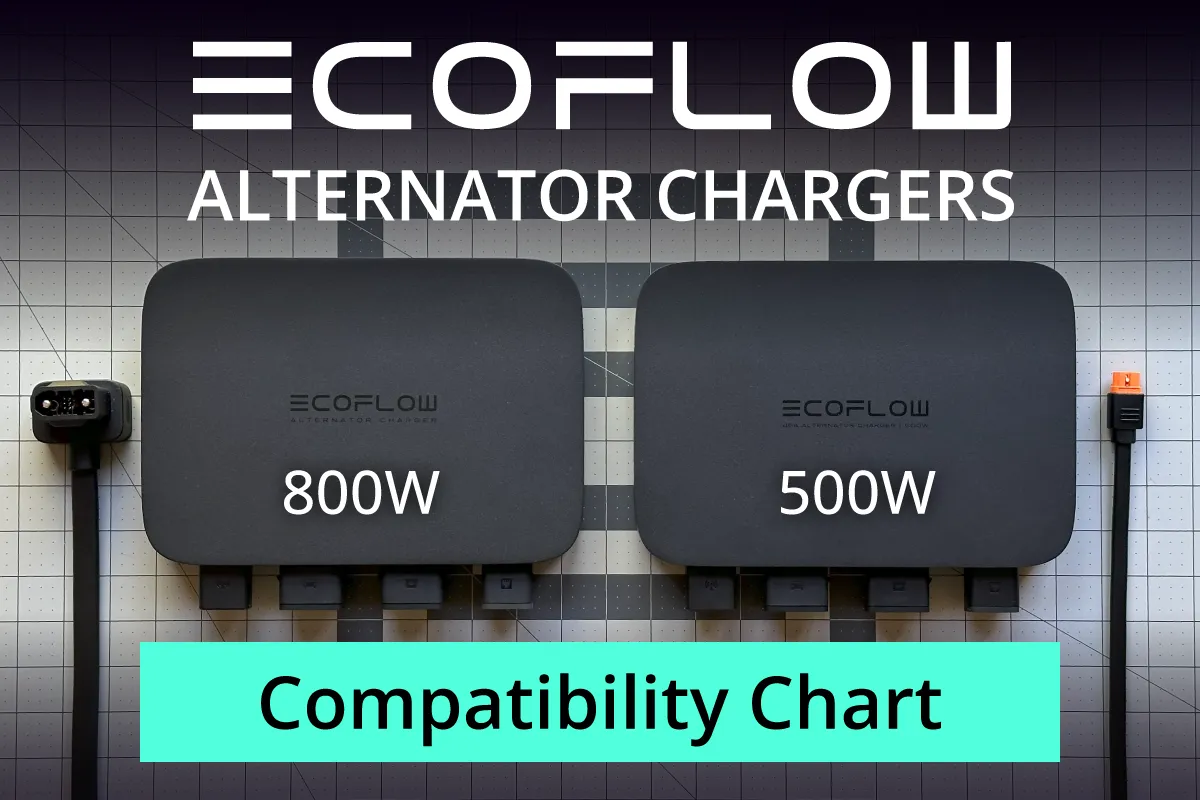
EcoFlow Alternator Charger Compatibility
500W & 800W Models
Output Cables
Cable type determines system compatibility, available features, and maximum power output. Ideally you would be able to select which cable you want included when purchasing, but that's not the case.
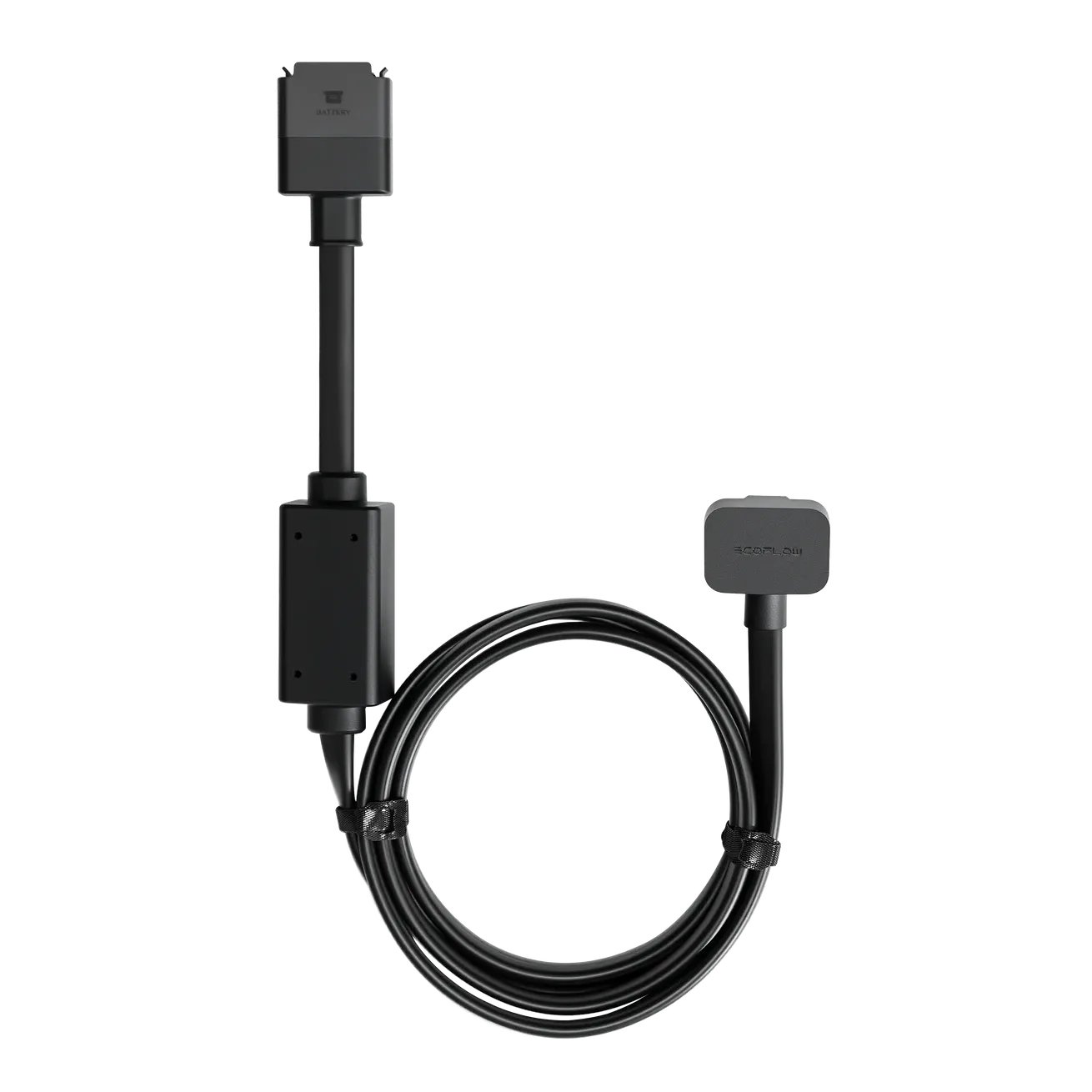
- Adjustable charge rate: 100-500W/100-800W depending on alternator charger model.
- Reverse charging: Charge your vehicle’s battery from your EcoFlow in an emergency.
- Battery maintenance mode: Keep your vehicle’s battery healthy when stored.
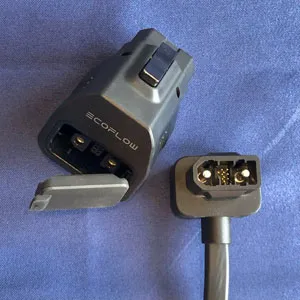
- Adapter: May require the Smart Generator Adapter to use with some power stations or purchase the Custom Fit Output Cable which offers the same features.
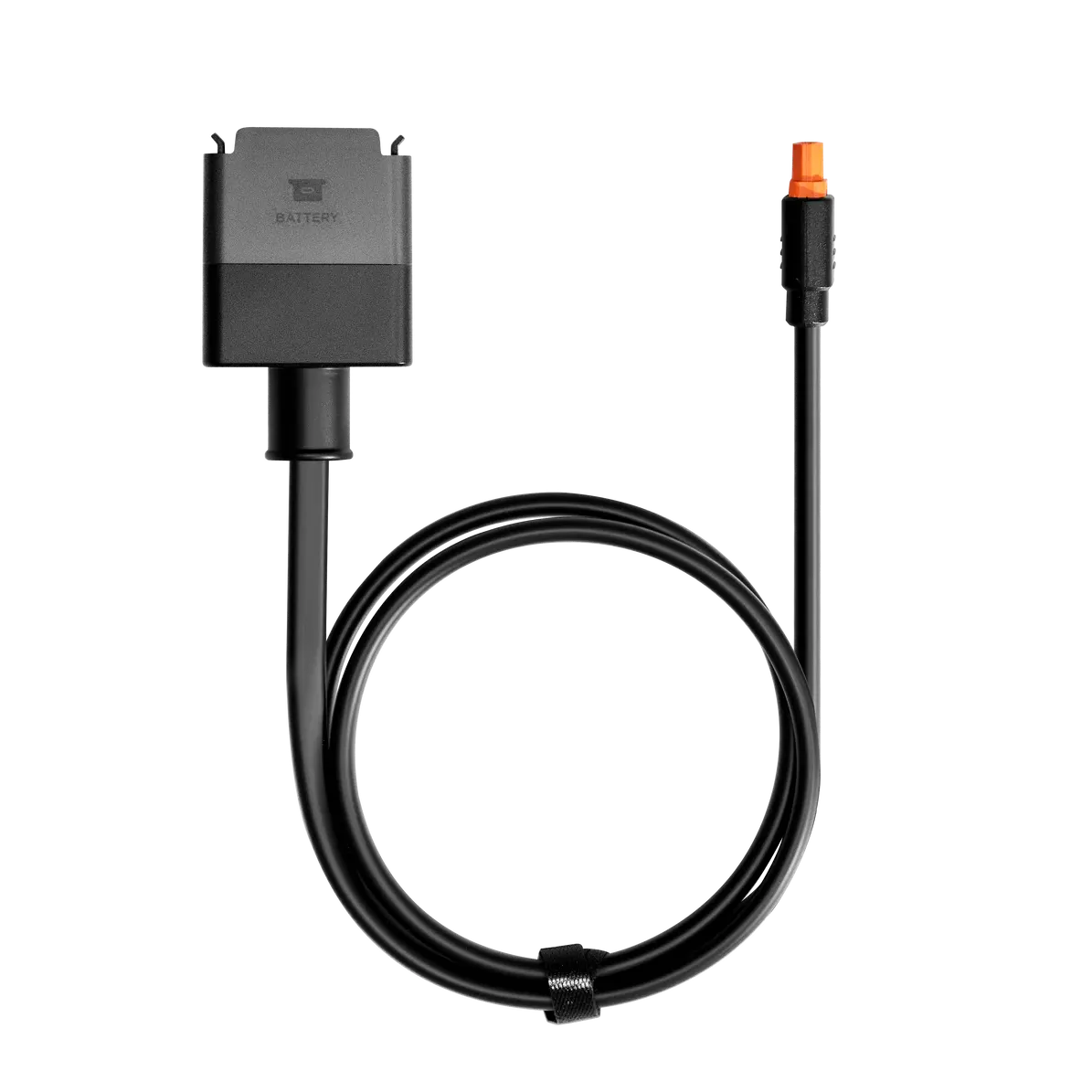
- Highly compatible: Even compatible with 3rd party power stations and EcoFlow's River series.
- Fixed 500W charge rate: No adjusting the amperage. Voltage can be adjusted for 3rd-party devices.
- No reverse charging.
- No battery maintenance mode.
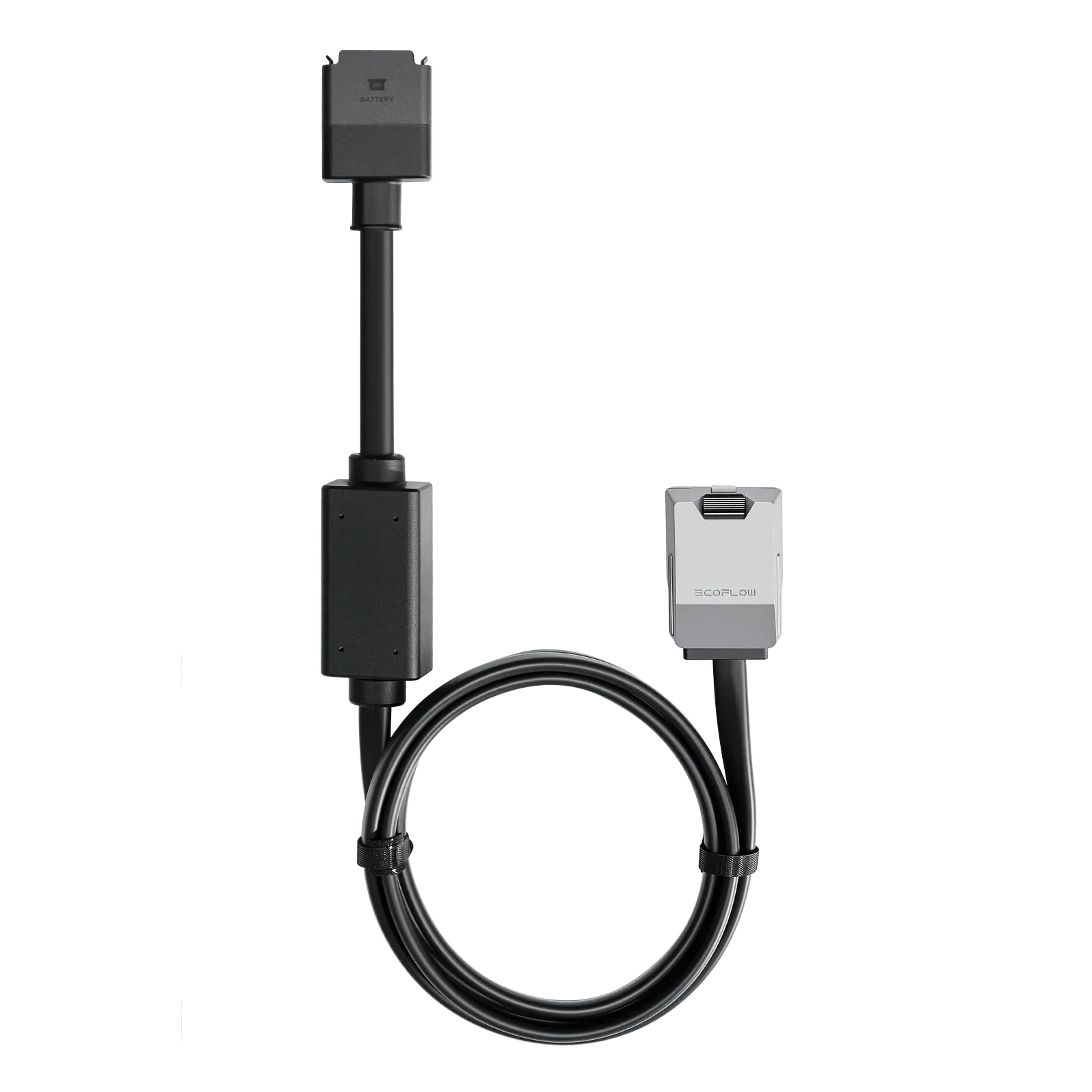
- Features: Gains access to same features and charge rates as XT150 cable.
- Compatibility: Delta Pro 3, Delta Pro, Delta 3 Ultra Plus, Delta 3 Max Plus.
Cable Observations
The 500W cables are much more flexible and the XT60 cable also doesn’t have the large ferrite brick attached, making routing the cables easier than the ones that come with the 800W model.
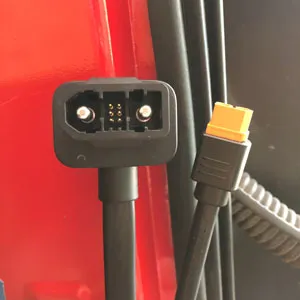
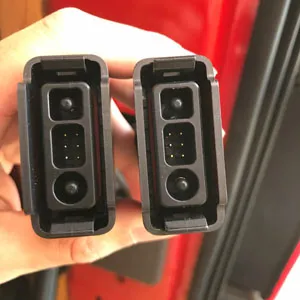
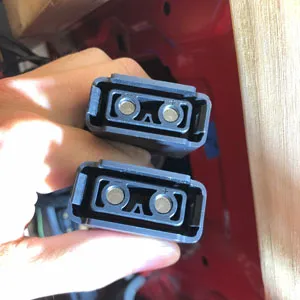
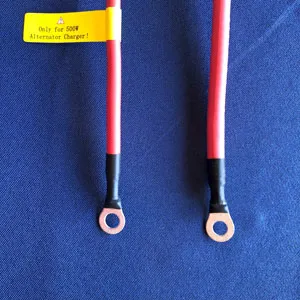

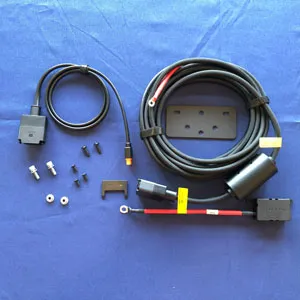
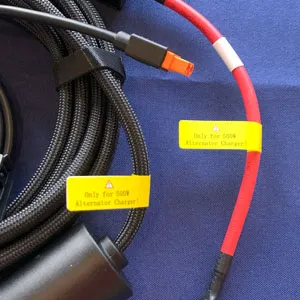
The 500W model works with both the supplied cables (8 AWG and XT60) AND the larger gauge cables (6 AWG and XT150) that came with the original 800W model. The 800W model also works with the new XT60 cable (but should not be used with the 8 AWG cable due to fire risk). I tested a mix and match of both cable types on the 500W model.
Accessories
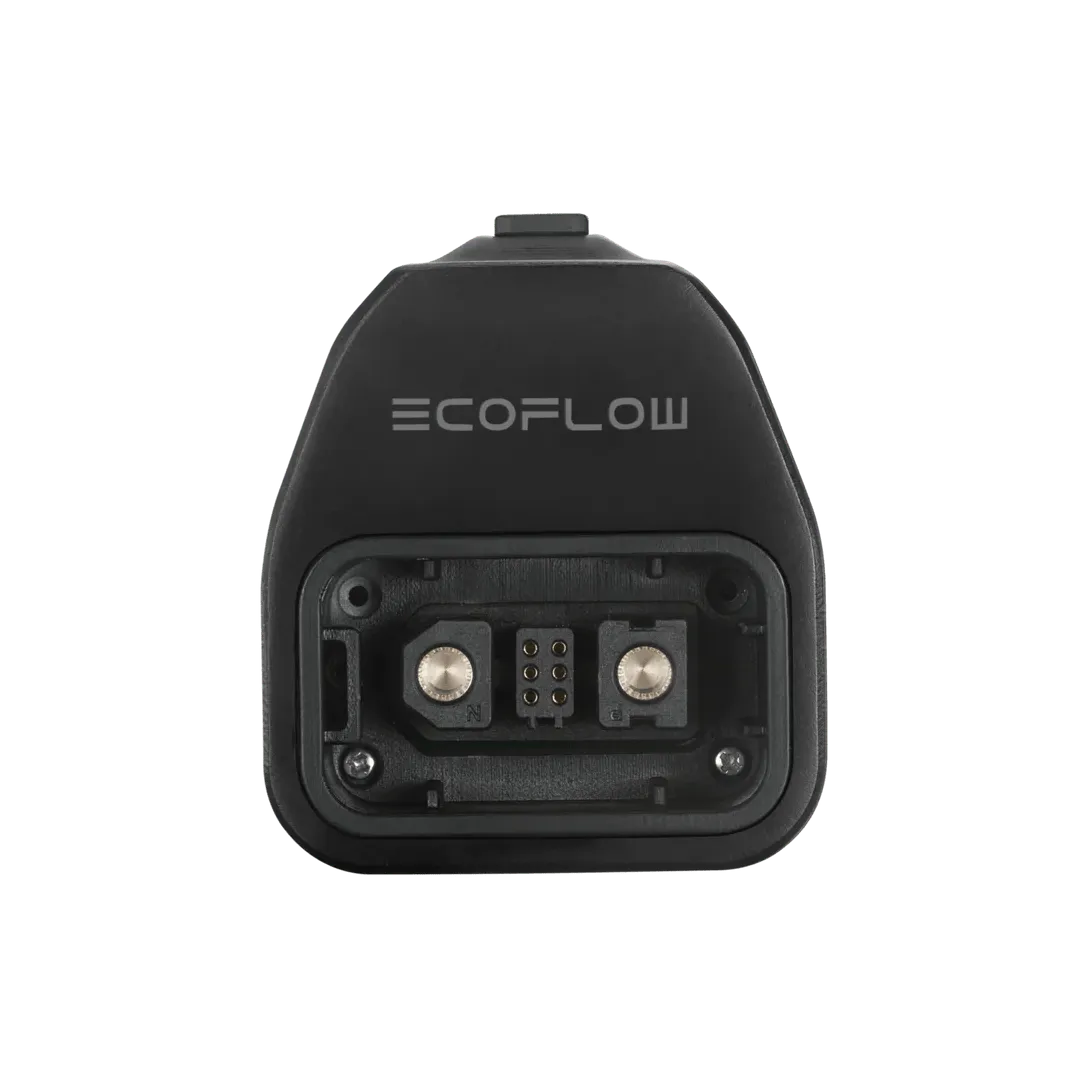 Smart Generator AdapterRequired by some power stations when using XT150 output cable
Price: $69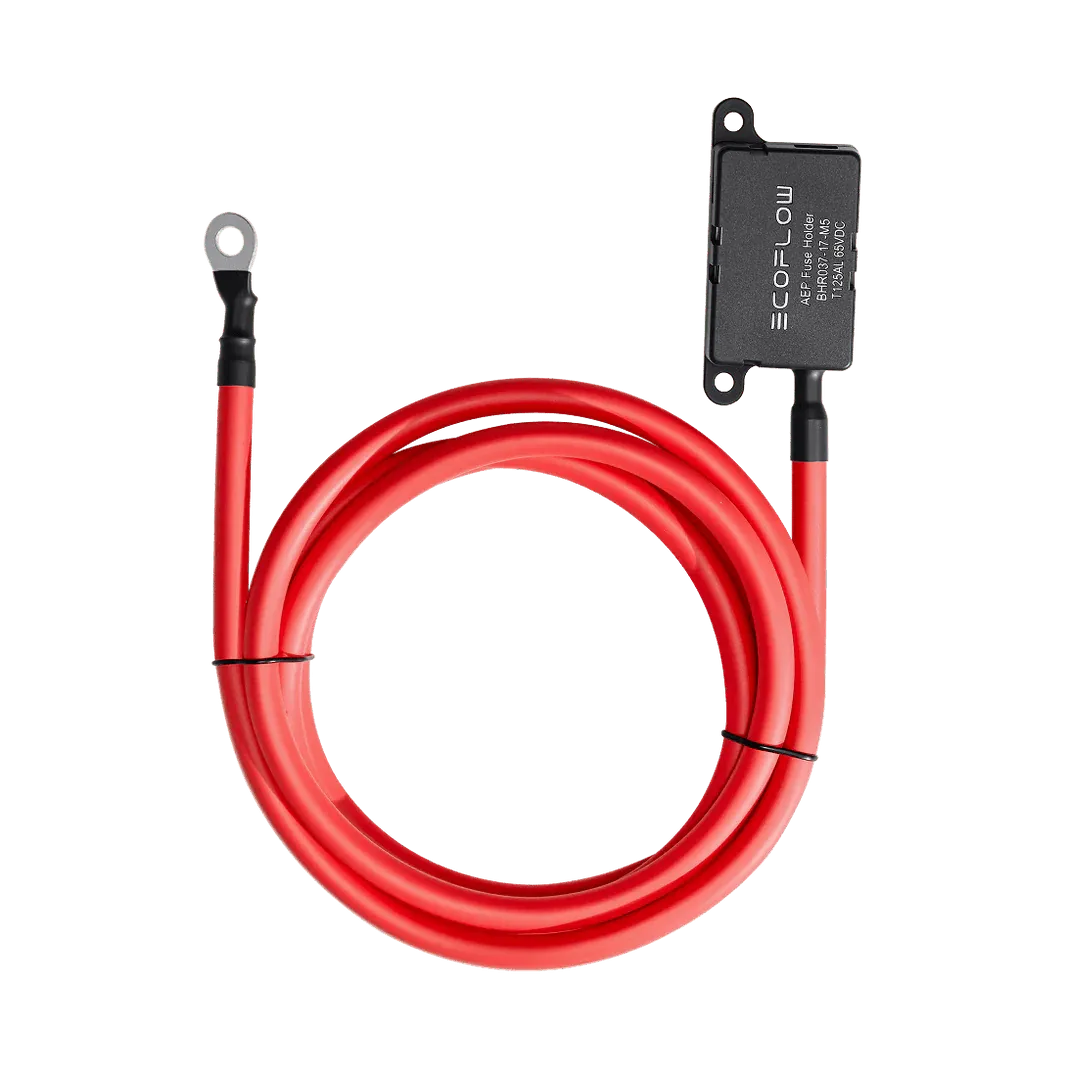 Extended Fuse CableLength: 2m
Price: $59
Mobile App
The Alternator Charger requires connection to the EcoFlow app to enable operation and select working modes. It is available on iOS and Android, and supports CarPlay and Android Auto.
Switching Modes
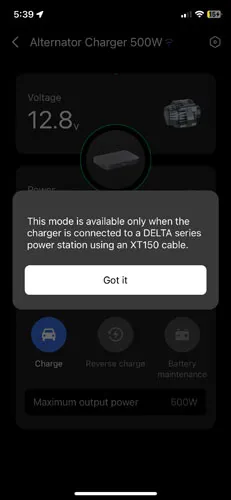
When connecting your EcoFlow portable power station using an XT150 or Custom Fit output cable, you can choose from three operating modes.
- Charge Mode
- Reverse Charge Mode
- Battery Maintenance Mode
Charge Mode
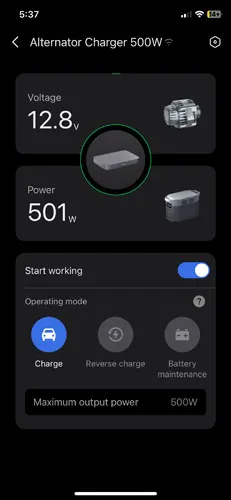
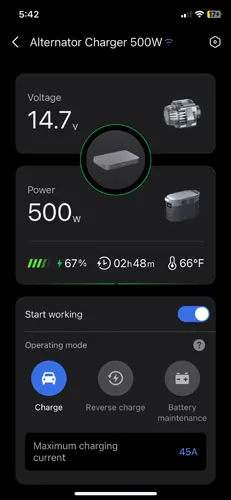
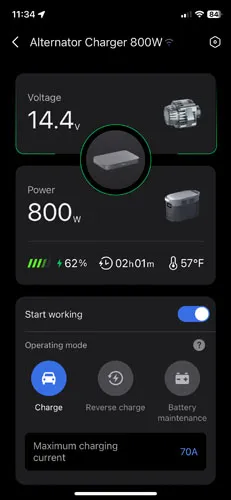
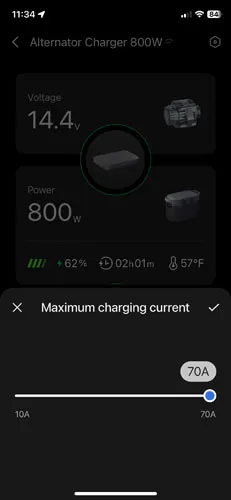
Designed as the primary charging mode, this feature enables you to reliably charge your power station using your vehicle’s alternator. This ensures a full battery upon arrival at most destinations (depending on drive time), making it ideal for medium-to-long road trips where access to traditional power outlets (aka shore power) is limited. XT150 and Custom Fit output cables allow the charge rate to be adjusted, whereas the XT60 cable is fixed.
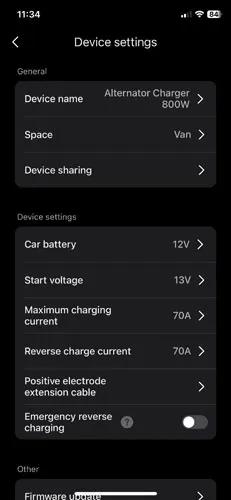
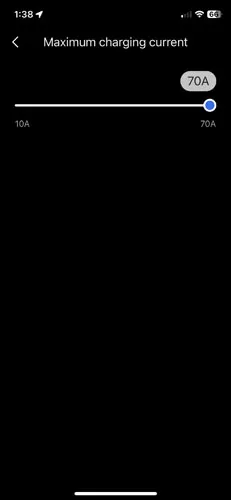
Reverse Charge Mode
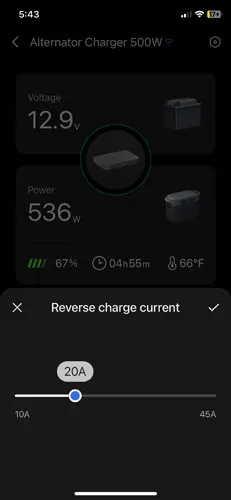
Imagine being stranded with a dead vehicle battery and no cell service. Even if your power station is depleted, solar charging combined with the reverse charge feature allows you to recharge your vehicle and get back to safety. While I have never been in a situation where I had to rely on this feature, with the XT150 or Custom Fit output cables, it’s nice to know it’s there if I need it. This feature is not compatible with the XT60 output cable. It's also important to note that reverse charge is not the same as jump-starting a vehicle and will take a bit more time.
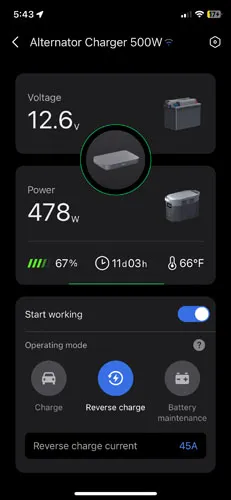
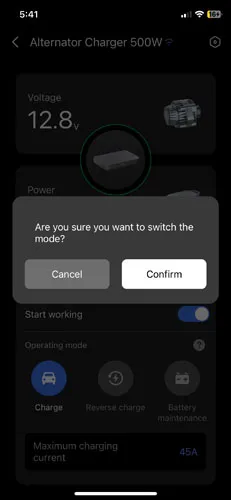
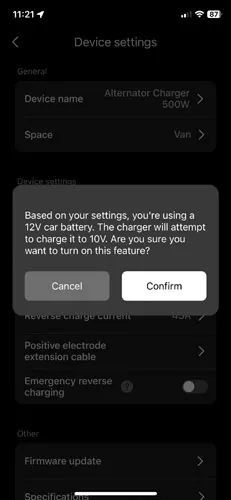
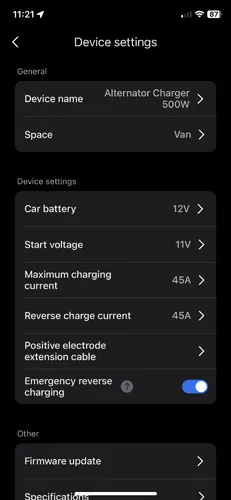
Emergency Reverse Charging
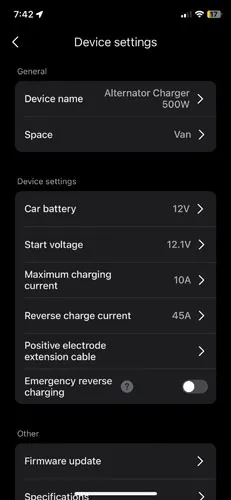
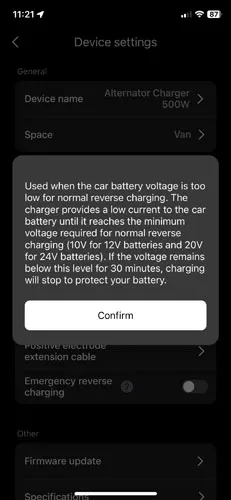
EcoFlow also added in a firmware update emergency reverse charging which is available on both the 500W and 800W models when using the XT150 or Custom Fit output cables. This allows the EcoFlow power station to recharge vehicle batteries when the voltage is too low for normal reverse charging. The charger provides a low current to the vehicle battery until it reaches the minimum voltage required for normal reverse charging. If the voltage remains below this level for 30 minutes, charging will stop to protect your battery.
Maintenance Mode
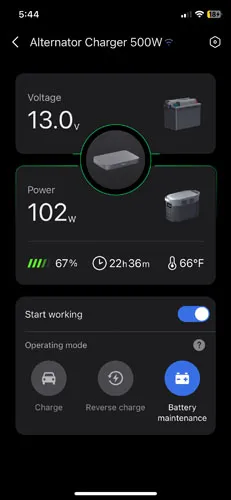
This mode delivers a steady 100W trickle charge to maintain your vehicle battery's health during long periods of inactivity. This feature only works with the XT150 and Custom Fit output cables and is not compatible with the XT60 output cable.
Starter Battery Settings
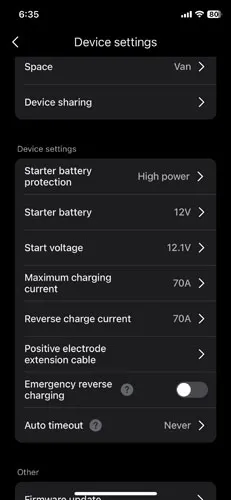
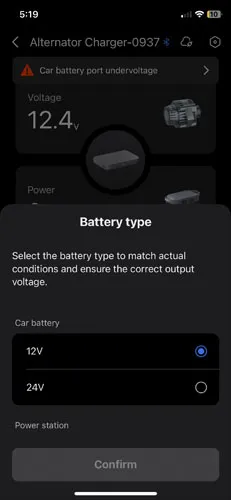
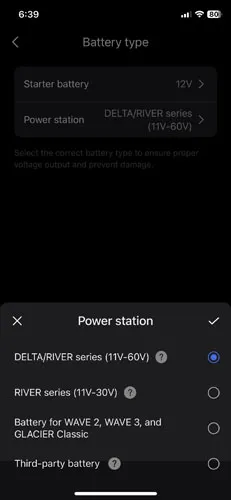
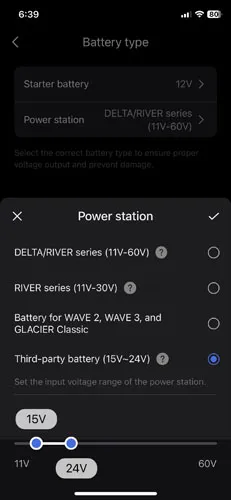
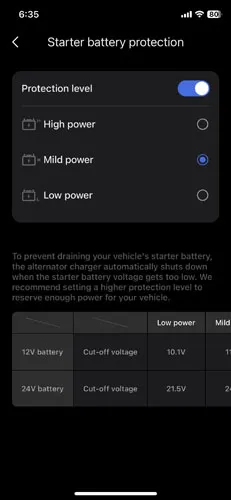
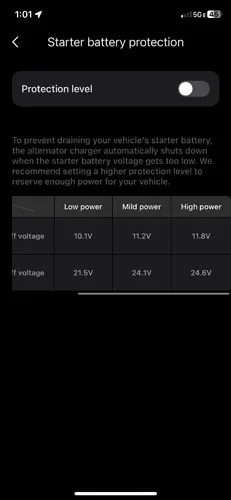
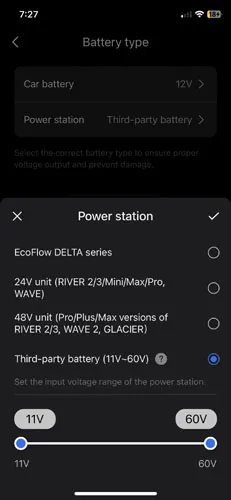
You can configure the system by selecting your vehicle’s battery type (12V or 24V) and choosing the connected power station (EcoFlow or third-party). In addition, it now allows you to set a protection level for the starter battery (low, mild, high).
Auto Timeout Setting
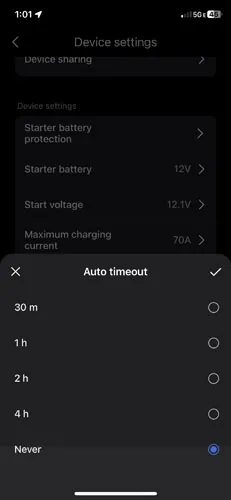
With firmware version 3.0.4.13, you can now set a custom auto timeout duration (previously, the XT60 cable defaulted to a 30‑second timeout). This feature serves two key purposes: it prevents the alternator charger from shutting off while driving with a smart alternator, and it helps protect the starter batteries from excessive drain. I would like EcoFlow to add longer timeout options, such as 1 day and 3 days, to better support overnight or weekend periods of inactivity.
Positive Electrode Extension Cable
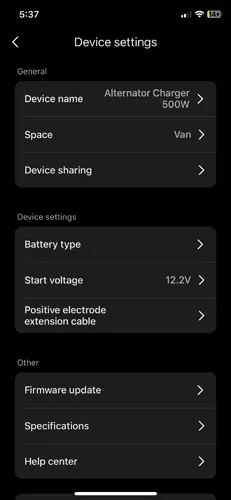
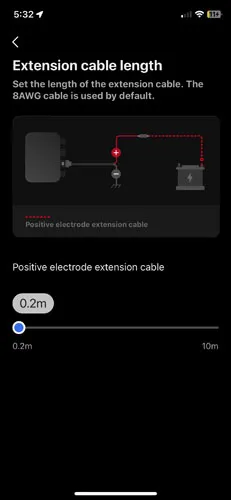
It’s nice to see they added a new setting for "Positive electrode extension cable" which will help support more setups. Not sure if this means the negative electrode can't be extended or if the cables can't be shortened. Use your own cable or purchase EcoFlow's Extended Fuse Cable.
Attempted Dual 800W and 500W Chargers
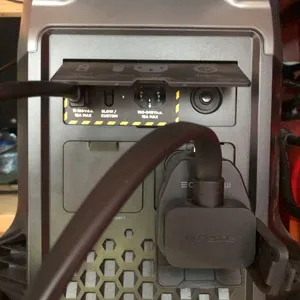
I was really hoping I could use both the 800W model AND the 500W model simultaneously on the same power station. This however does NOT work.
It starts to look like it's working, but then the 500W model throws the following two errors, while the 800W model continues working:
- Power station port short circuit protection (64)
- Device error (16384)
It was nice to see that EcoFlow designed these systems to protect themselves which should result in fewer product failures and warranty issues. Additionally, sometimes the app displays the details about the other alternator charger in the wrong view making it look like the 500W model is getting 800W or the 800W model is getting 500W.
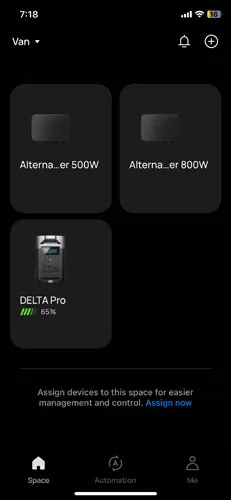
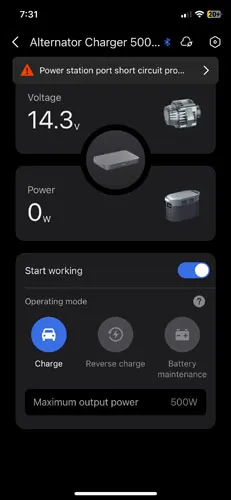
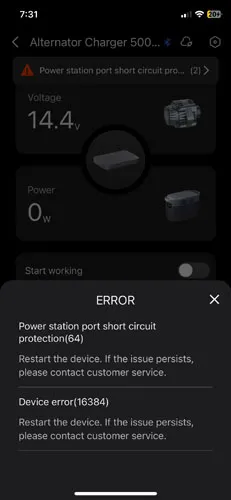
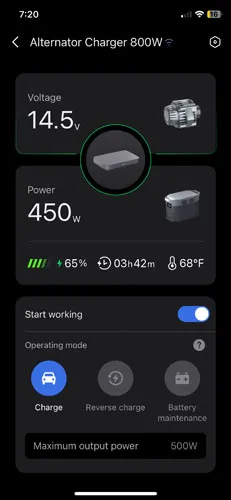
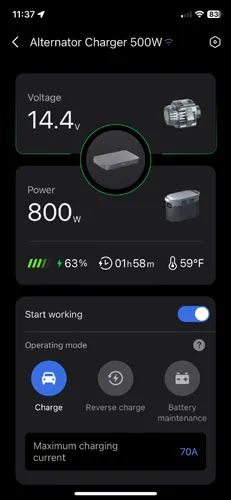
I had really hoped this would work as it would allow me to have access to 1,300W of charging power at any time (yes, my alternator can support this load, but I would only do it on rare occasions). Some vehicles come equipped with dual 250A alternators which would be more than enough power to use this scenario full-time.
Why I Thought Dual Chargers Might Work
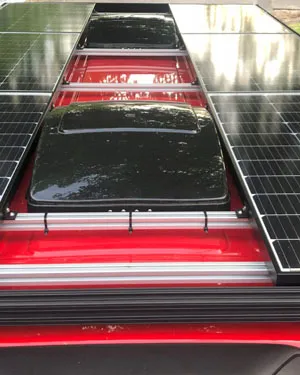
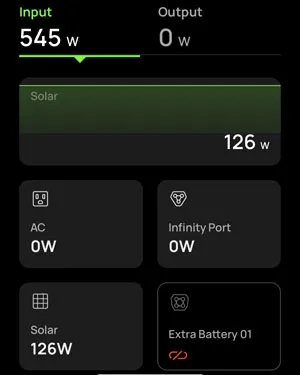
I’m able to achieve a similar input when the sky is clear and the sun is high as I have 600W of solar on my van’s roof. Dual charging with the Alternator Charger and Solar works amazing on my EcoFlow system! However, EcoFlow seems to have intentionally designed these systems to only allow for a single Alternator Charger product. I really hope they add support for multiple chargers in the future as there are vehicles with alternators which can support more than 800W… or perhaps they will consider releasing a more powerful model such as a 1600W!
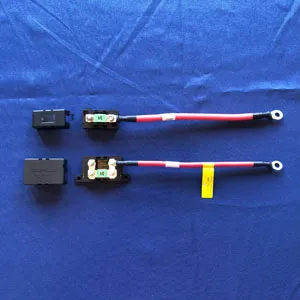
Improved Fuse Block
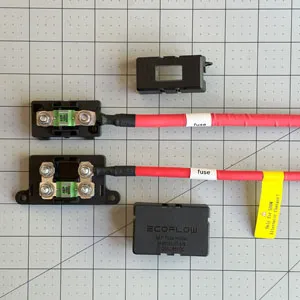
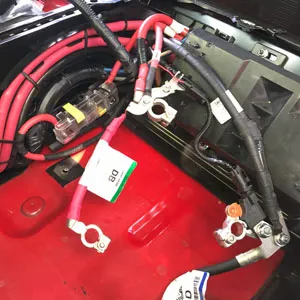
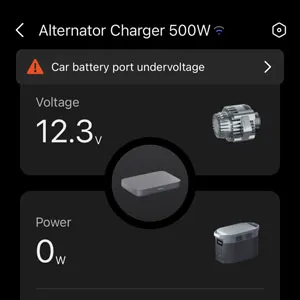
EcoFlow fixed the fuse block!!! They took mine and others' prior feedback and improved the inline fuse block. The old fuse block design was flawed; if too much strain was put on the cable it would cause the fuse to break which would result in an under voltage error and the inability to charge anything with the unit. I encountered this on my 800W model (I’m unsure which fuse block the current 800W model ships with currently as I preordered mine last year when it was announced).
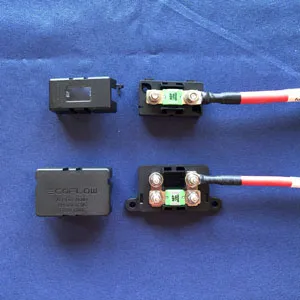
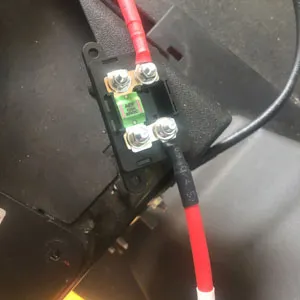
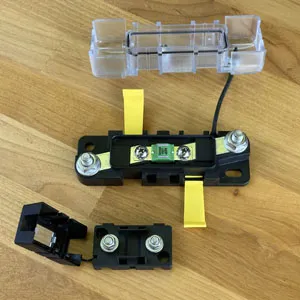
To resolve my issue, I purchased a Blue Sea 7720 Safety Fuse Block ($25 on Amazon) which has separate posts for the fuse ends and the cables. The new design incorporates this separate post design. This helps prevent the issue where lateral strain on the cable would cause the fuse to shift and break.
The Blue Sea design is still superior (but larger) because it uses screws to tighten the fuse and nuts to tighten the cables; this helps prevent unintentional over torquing of the fuse which can also cause the fuse to break (less torque can be applied through a Phillips head screw vs a nut). EcoFlow recommends 3.5-4.5 N⋅m of torque. Also, EcoFlow’s new design got rid of the transparent window which is used to quickly see if the fuse is blown without needing to remove the cover (this is small issue but can still be useful).
I would love to see EcoFlow integrate both of these changes in the future (Phillips head screw for the fuse and a transparent window/cover), but overall this new fuse block is such a huge improvement. Awesome job EcoFlow!
Fuse Type and Specification
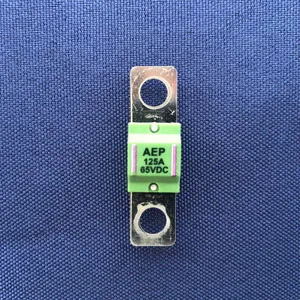
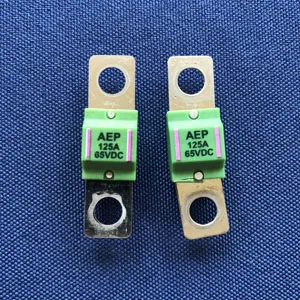
I would like to see EcoFlow sell the 125A AEP fuse (model AEP3125301, see data sheet) on their online store (and Amazon) and also recommend suitable 3rd-party replacements that are easy to obtain. If the fuse blows while someone is on the road, they need to be able to quickly source a new one that is commonly available. EcoFlow should clearly document the min/max requirements for the fuse (amps and volts) for each model instead of having customers try to reverse engineer something designed to prevent an electrical fire.
My Verdict
I can strongly recommend both models, but your choice depends heavily on the cable and your power station’s compatibility:
- If you have an unused XT150 port on your EcoFlow power station: Go with the 800W model for the extra power headroom and access to all features. The current price difference isn't too much ($199 vs $289) and you can limit the max charging of the device down as low as 100W if needed to support your vehicle’s needs (the XT60 cable cannot currently do this).
- If you need to use an XT60 port: Consider the 500W model but understand you’re missing out on some functionality.
EcoFlow’s Alternator Chargers offer a compelling way to charge your power stations on the go.
Not sure it’s the best fit? My alternator charger guide covers all the popular brands.
Need a quick review? Read my summary review (2 min read) instead of this detailed one.
Need an install guide for a Ford Transit? Check out my Ford Transit install guide.
Questions or feedback? Connect on Facebook, Instagram, or contact page. If you found this post helpful, please share it with others!
* XT60 vs XT60i: yes, there is a difference and EcoFlow often refers to their XT60i cables as XT60.
** All my tests were run on an EcoFlow Delta Pro hooked up to a Ford Transit EcoBoost with a 250A alternator.
*** I was not paid for this review, but did receive a free 500W Alternator Charger to review.