
The Ultimate Guide to Jackery Power Systems: For Vanlife, RVs & Overlanding
Updated:
Jackery is one of the most recognizable names in portable power and solar generators. Their power stations are known for being rugged, simple, and plug‑and‑play, making them popular with campers, weekend travelers, and first‑time vanlife builders. For dedicated vanlife or RV electrical systems, though, Jackery has several technical limitations you should understand before choosing one. The biggest constraint is their restricted 12V DC output, which affects how well they integrate with a full van build.
My opinions, not under contract. Uses affiliate links. Brands send some review items. See details
Power Stations
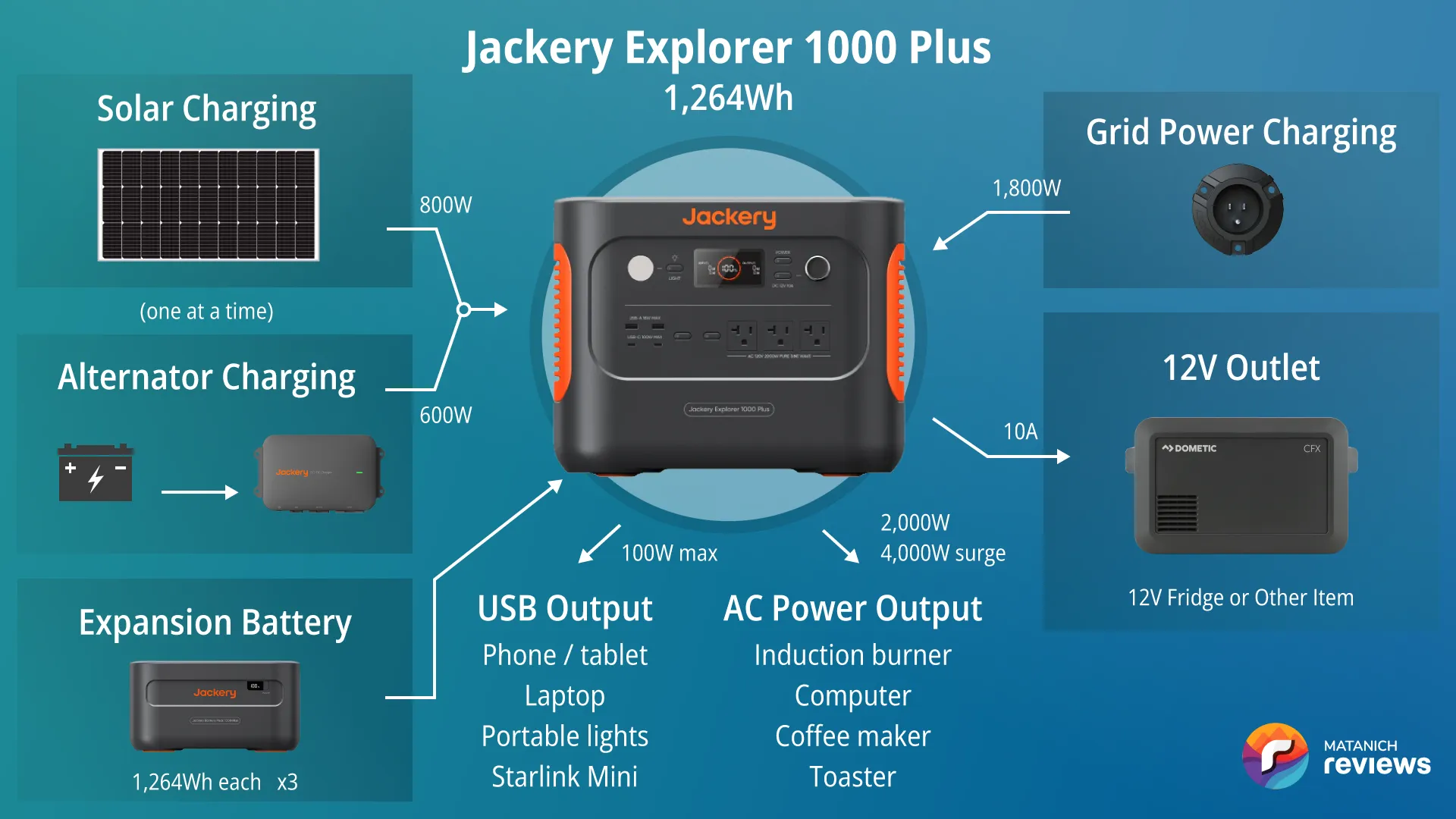
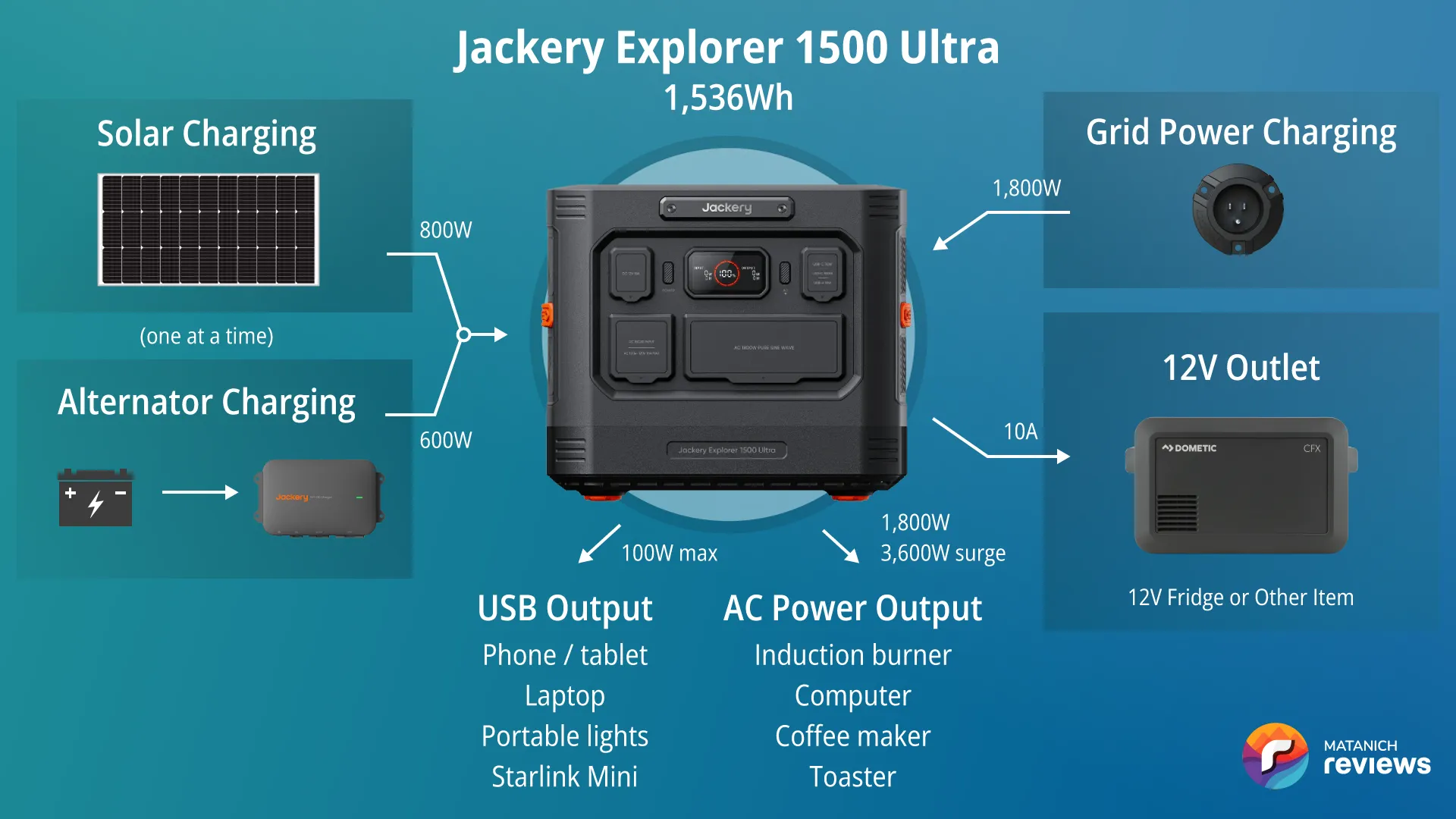
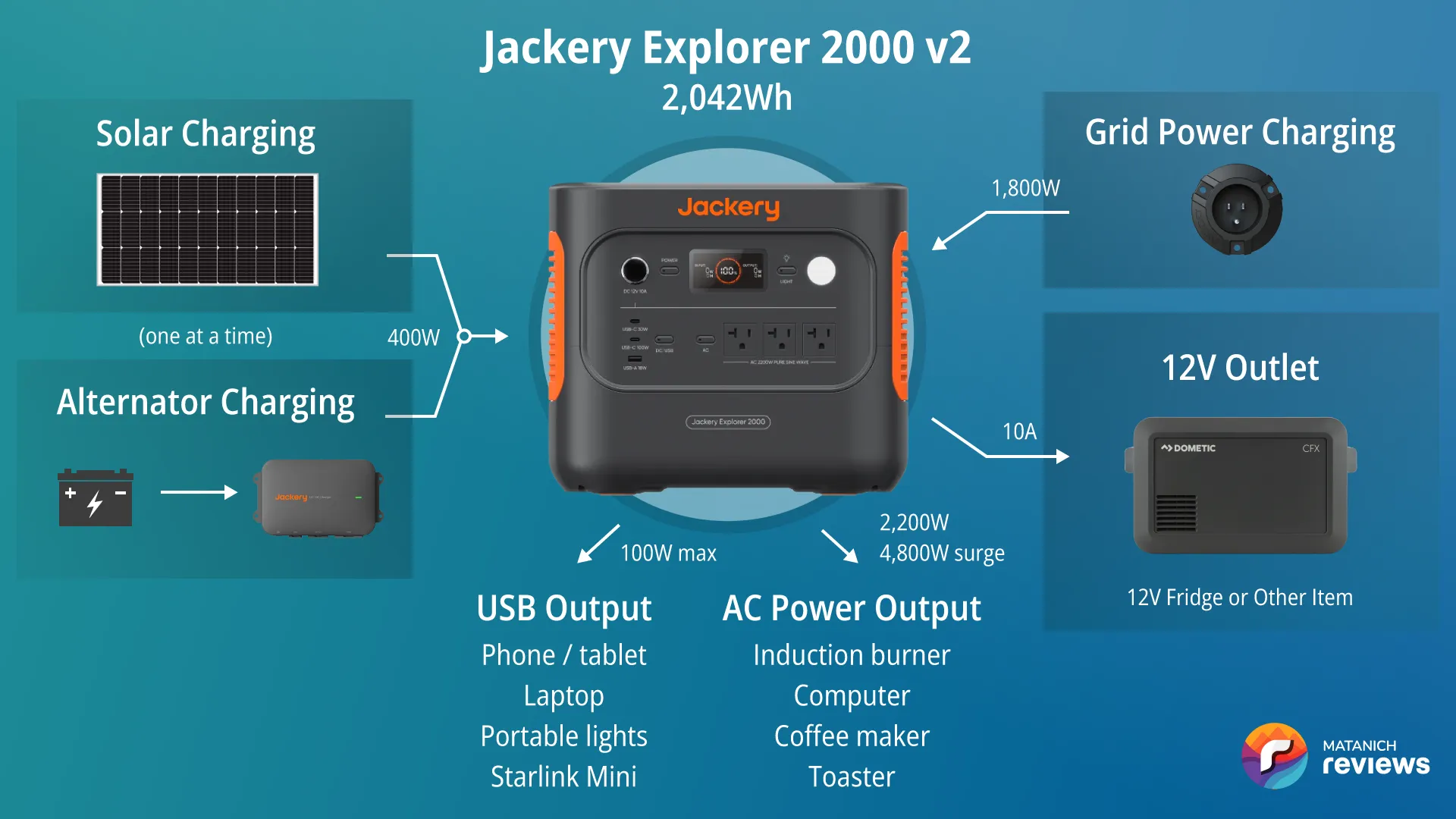
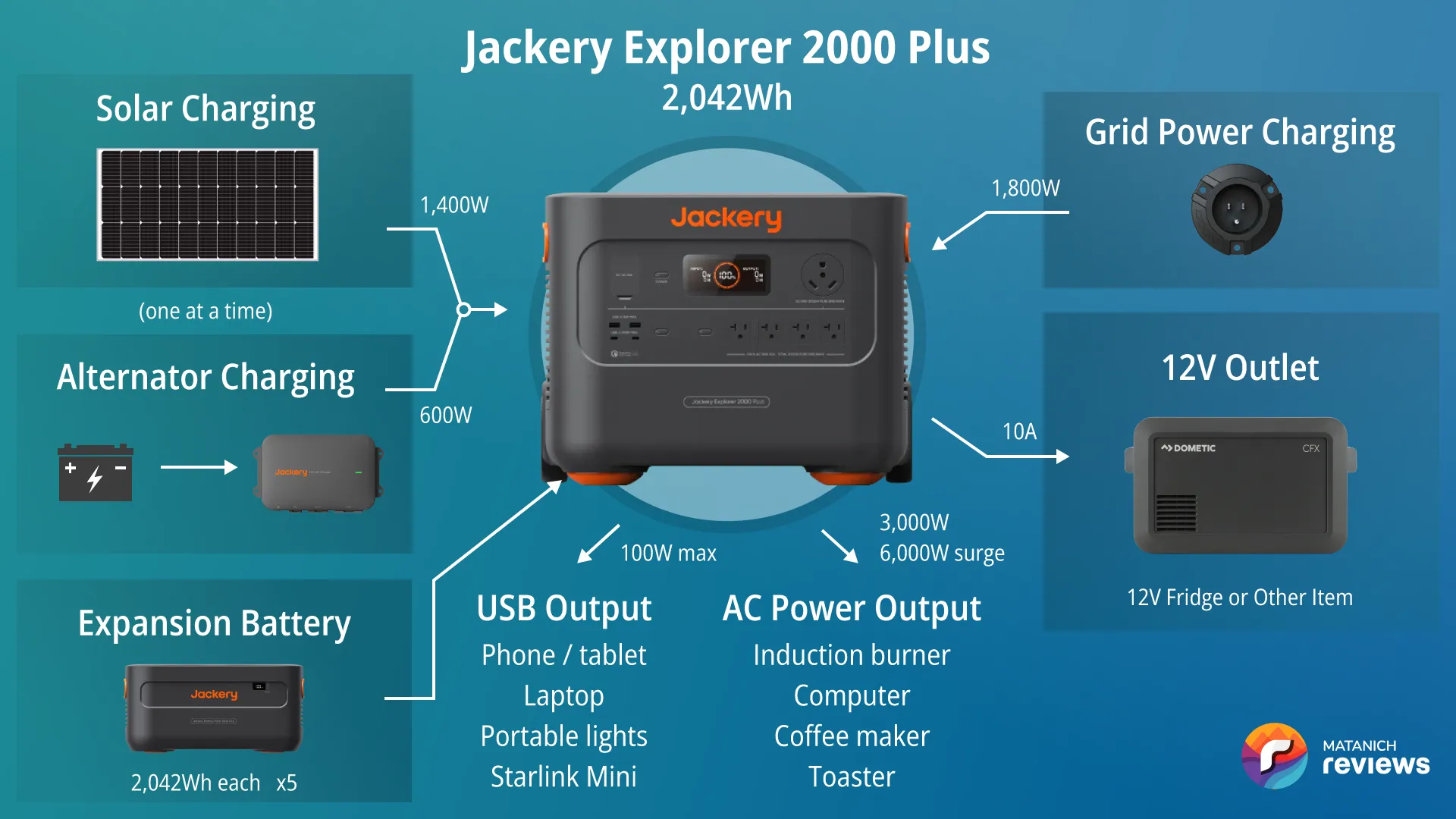
Jackery power stations provide a straightforward alternative to DIY electrical systems, with solid AC performance but limited 12V output for vanlife and RV builds. These are the five best Jackery models to consider for off‑grid travel.
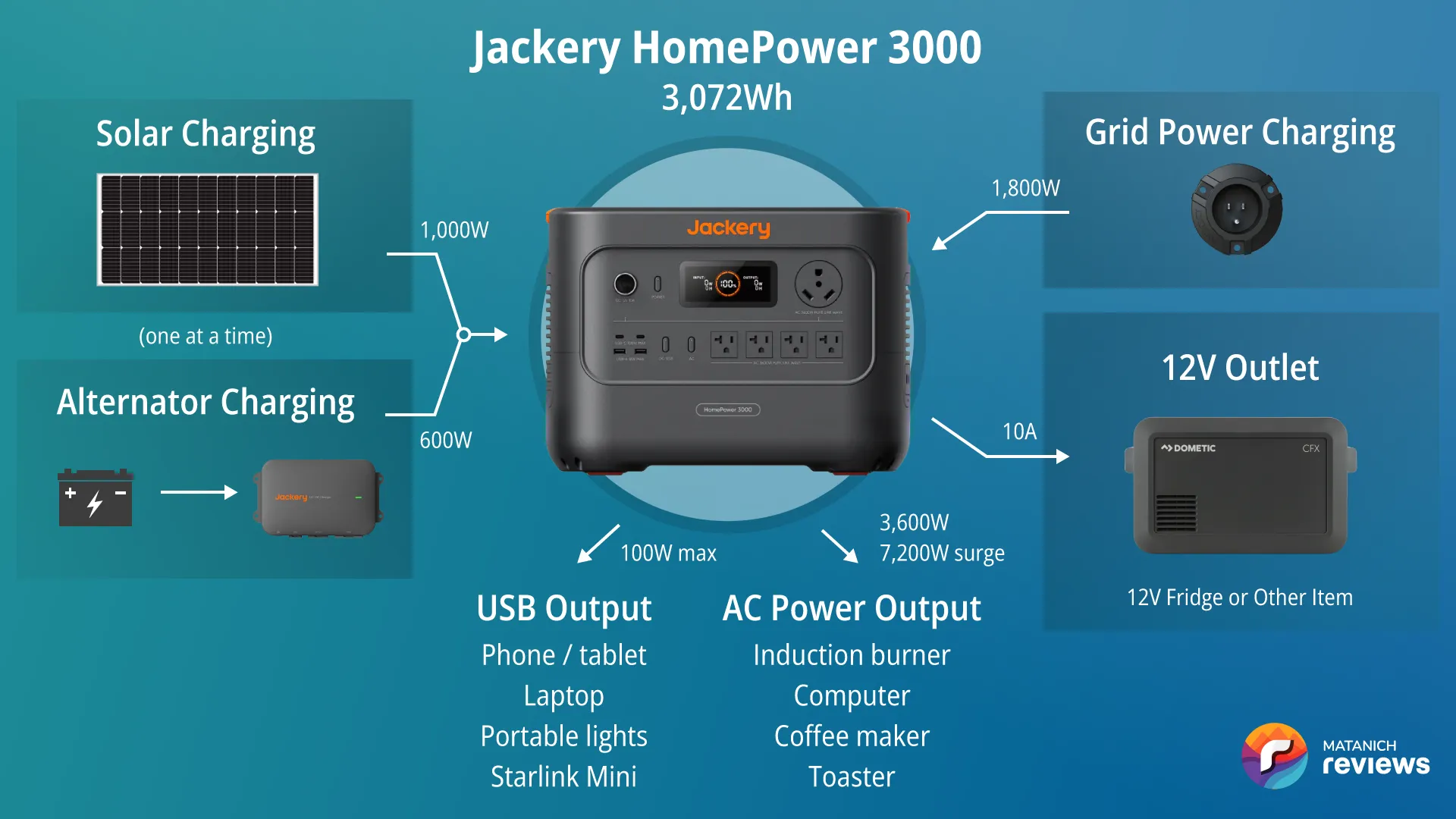
Top Models Comparison
A side‑by‑side comparison of five top Jackery systems, sorted by battery capacity:
| Model | Explorer 1000 Plus | Explorer 1500 Ultra | Explorer 2000 v2 | Explorer 2000 Plus | HomePower 3000 |
|---|---|---|---|---|---|
| Photo | 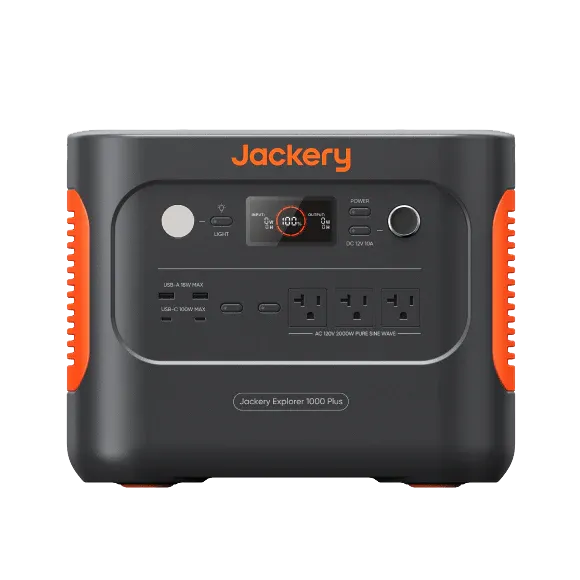 | 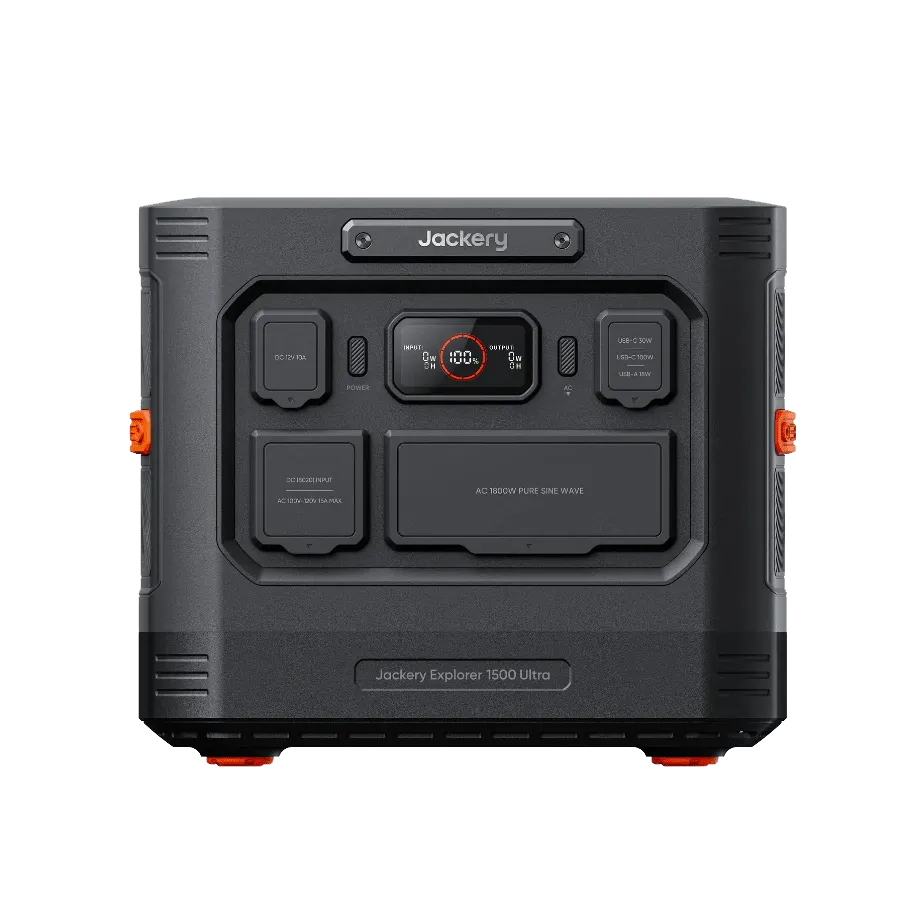 | 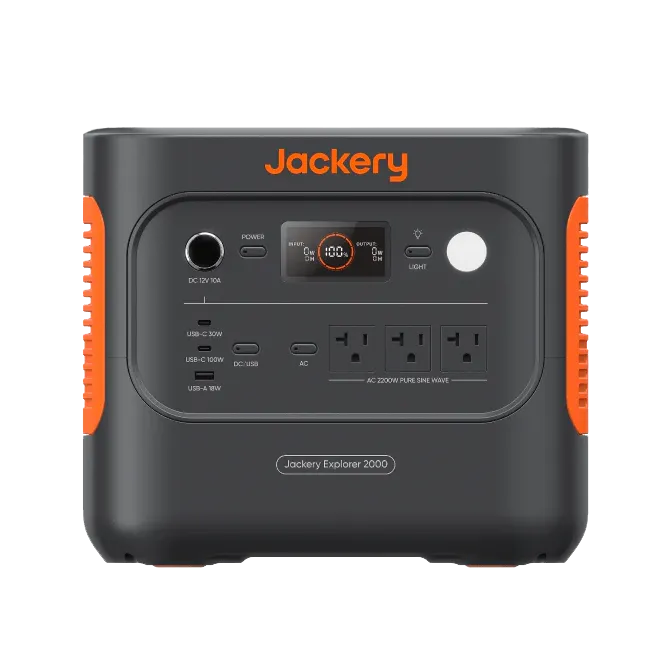 | 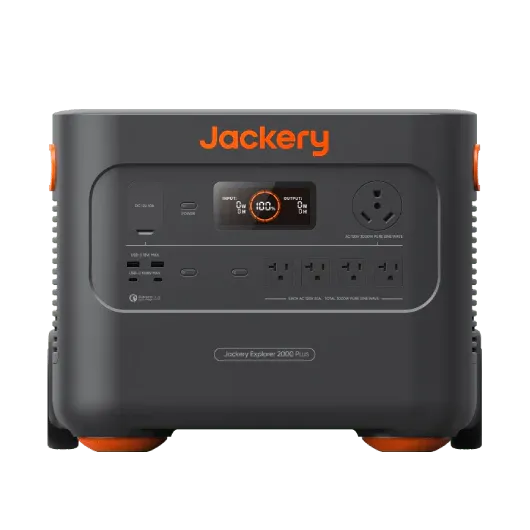 | 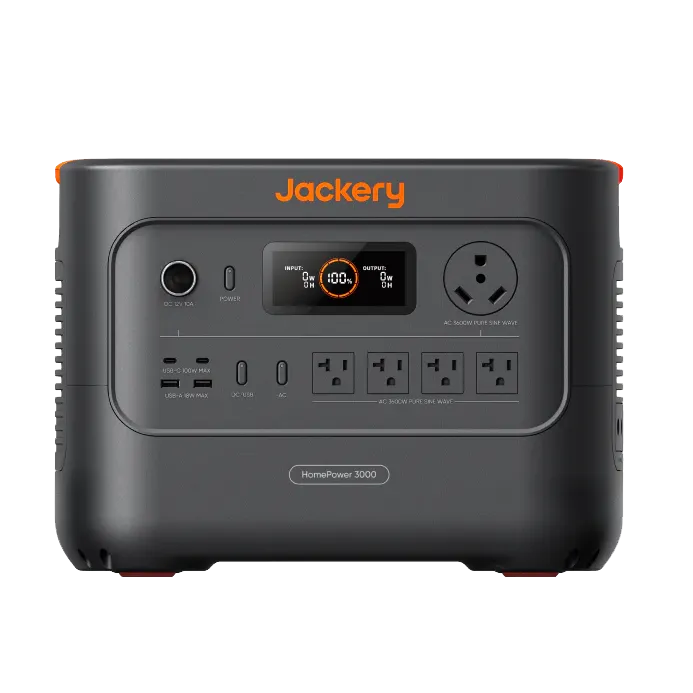 |
| Links | |||||
| Price | $999 | $999 | $799 | $1,099 | $1,299 |
| Capacity | 1,264Wh | 1,536Wh | 2,042Wh | 2,042.8Wh | 3,072Wh |
| Expansion Battery | 3x | -- | -- | 5x | -- |
| AC output | 2,000W total 4,000W surge | 1,800W total 3,600W surge | 2,200W total 4,800W surge | 3,000W total 6,000W surge | 3,600W total 7,200W surge |
| AC ports | x3 (16.6A each) | x3 (12A each) | x3 (18.3A each) | x4 (20A each) x1 (25A) | x4 (20A each) x1 (30A) |
| DC output | 12V⎓10A | 12V⎓10A | 12V⎓10A | 12V⎓10A | 12V⎓10A |
| Solar input | 16-60V⎓12A 800W 1 | 16-60V⎓12A 800W 1 | 16-60V⎓12A 400W 1 | 17.5-60V⎓12A 1,400W 1 | 16-60V⎓12A 1,000W 1 |
| AC input | 15A 1,800W | 15A 1,800W | 15A 1,800W | 15A 1,800W | 15A 1,800W |
| USB A | 2x | 1x | 1x | 2x | 2x |
| USB C | 2x | 2x | 2x | 2x | 2x |
| Size (in) | 14 × 10.2 × 11.1 | 13.2 × 10.4 × 11.6 | 13.2 × 10.4 × 11.5 | 18.6 × 14.1 × 14.7 | 16.4 × 12.8 × 12 |
| Size (mm) | 356 × 260 × 283 | 336 × 264 × 295 | 335 × 264 × 292 | 473 × 359 × 374 | 416 × 325 × 305 |
1. Jackery two ports combined total.
All Power Systems
Products are sorted by capacity.
- Price
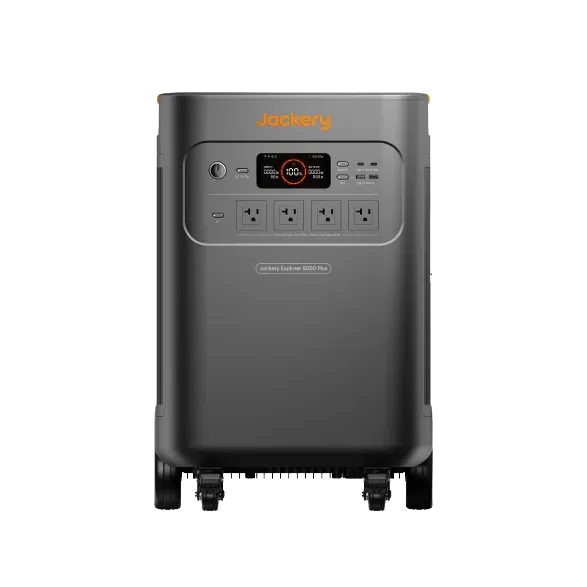
- $2,899
- Capacity
- 5,040Wh+
- AC Output
- 7,200W
- DC Output
- 10A
- Solar
- 4,000W 1 + 1,200W 2
- Price
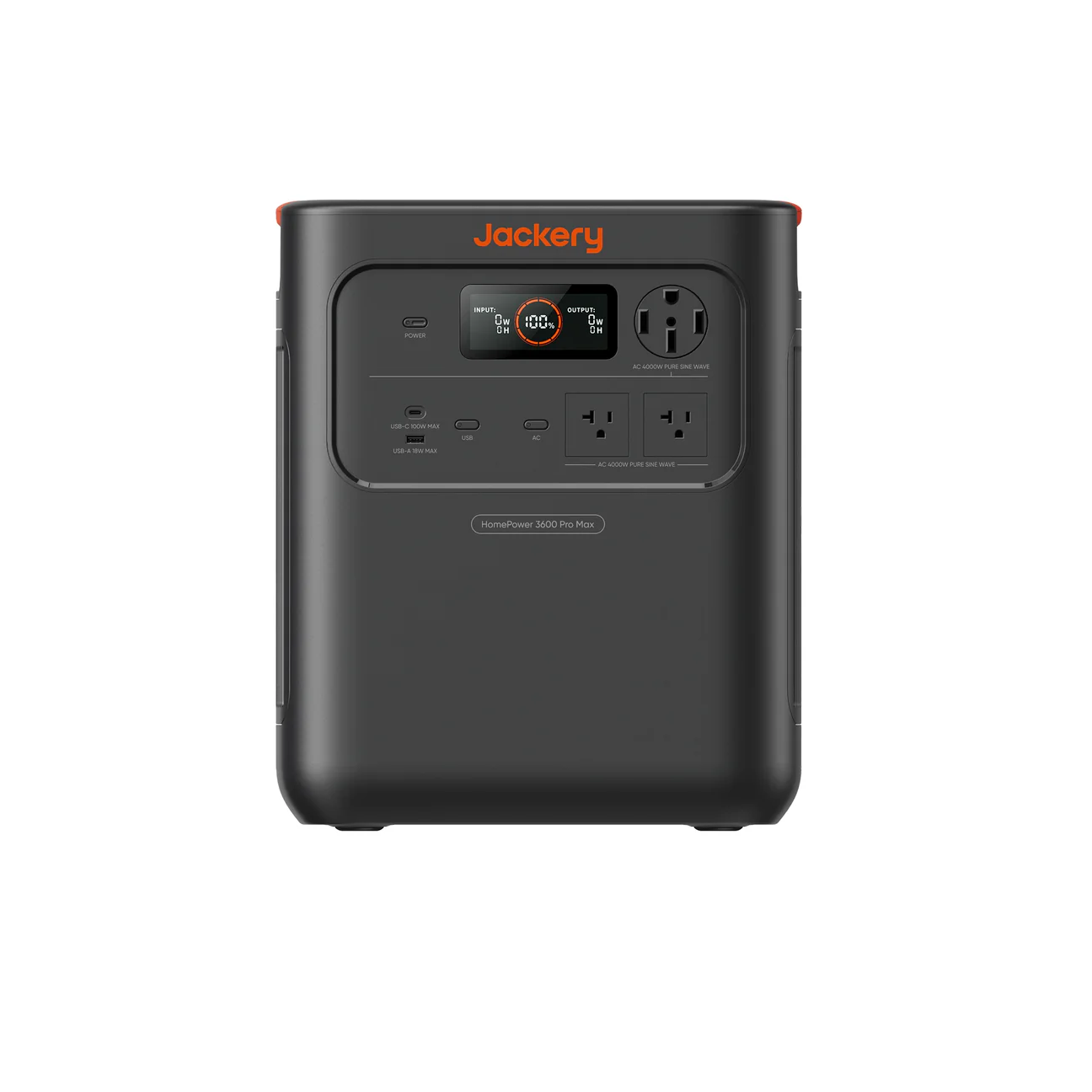
- TBD
- Capacity
- 3,584Wh+
- AC Output
- 4,000W
- DC Output
- --
- Solar
- 1,200W 2
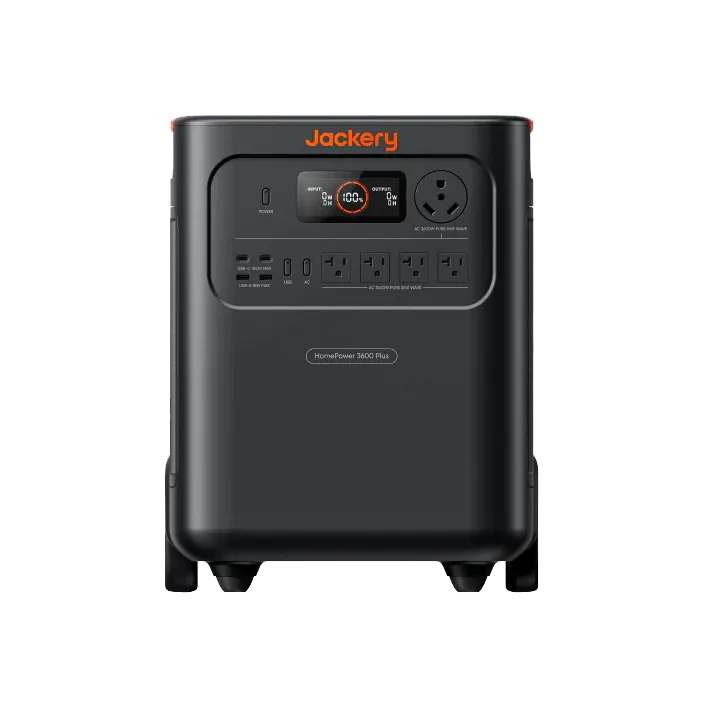
- Price
- $1,599
- Capacity
- 3,584Wh+
- AC Output
- 3,600W
- DC Output
- 10A
- Solar
- 1,000W 2
- Price
- $1,299
- Capacity
- 3,072Wh
- AC Output
- 3,600W
- DC Output
- 10A
- Solar
- 1,000W 2
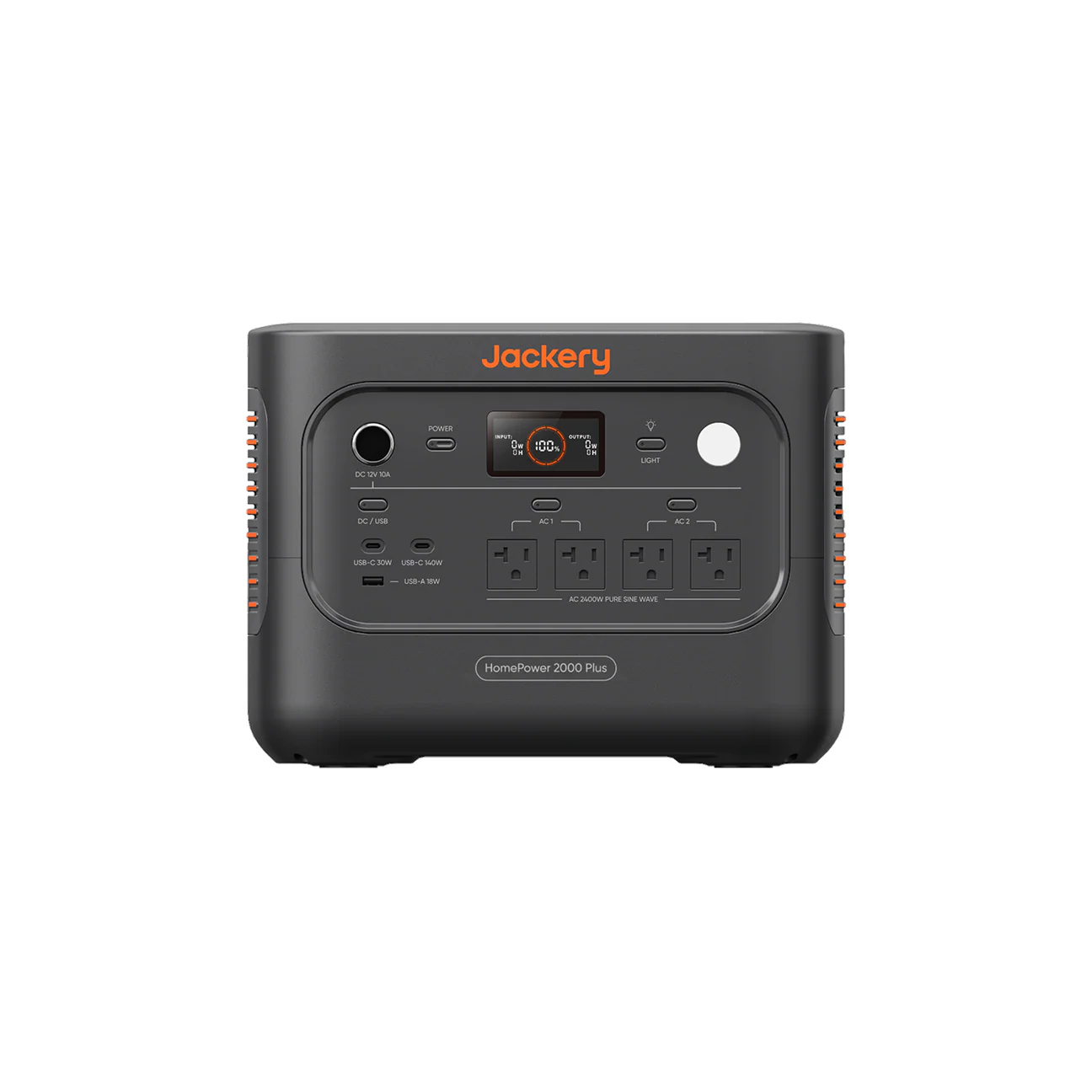
- Price
- TBD
- Capacity
- 2,048Wh+
- AC Output
- 2,400W
- DC Output
- 10A
- Solar
- 800W 2
- Price
- $1,099
- Capacity
- 2,042Wh+
- AC Output
- 3,000W
- DC Output
- 10A
- Solar
- 1,400W 2
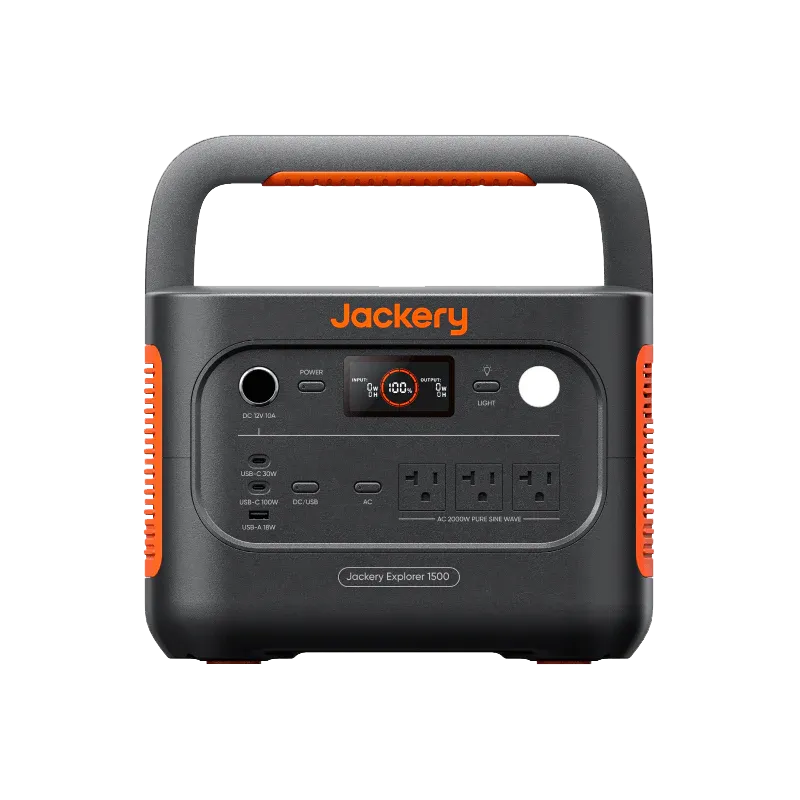
- Price
- $999
- Capacity
- 1,536Wh
- AC Output
- 1,800W
- DC Output
- 10A
- Solar
- 800W 2
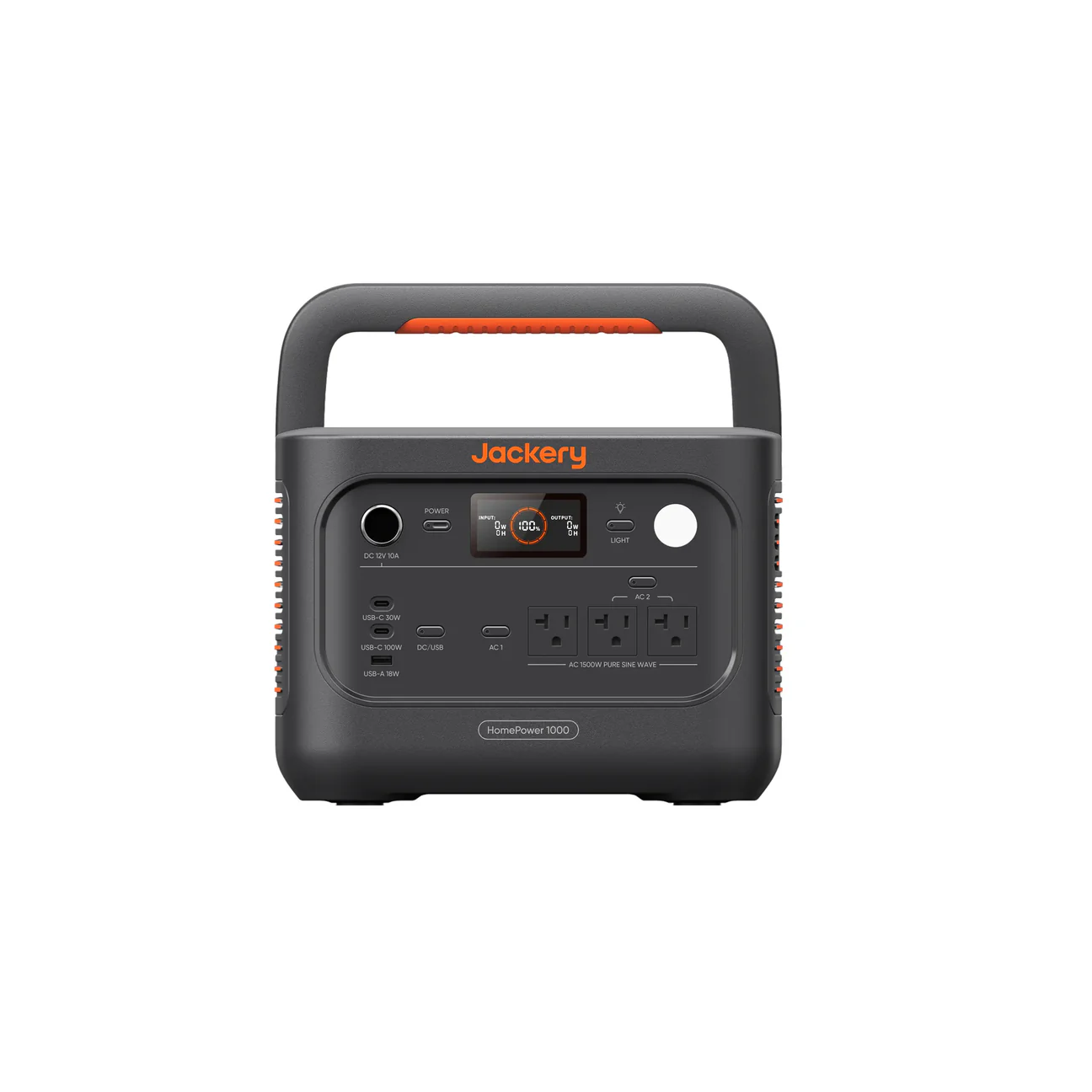
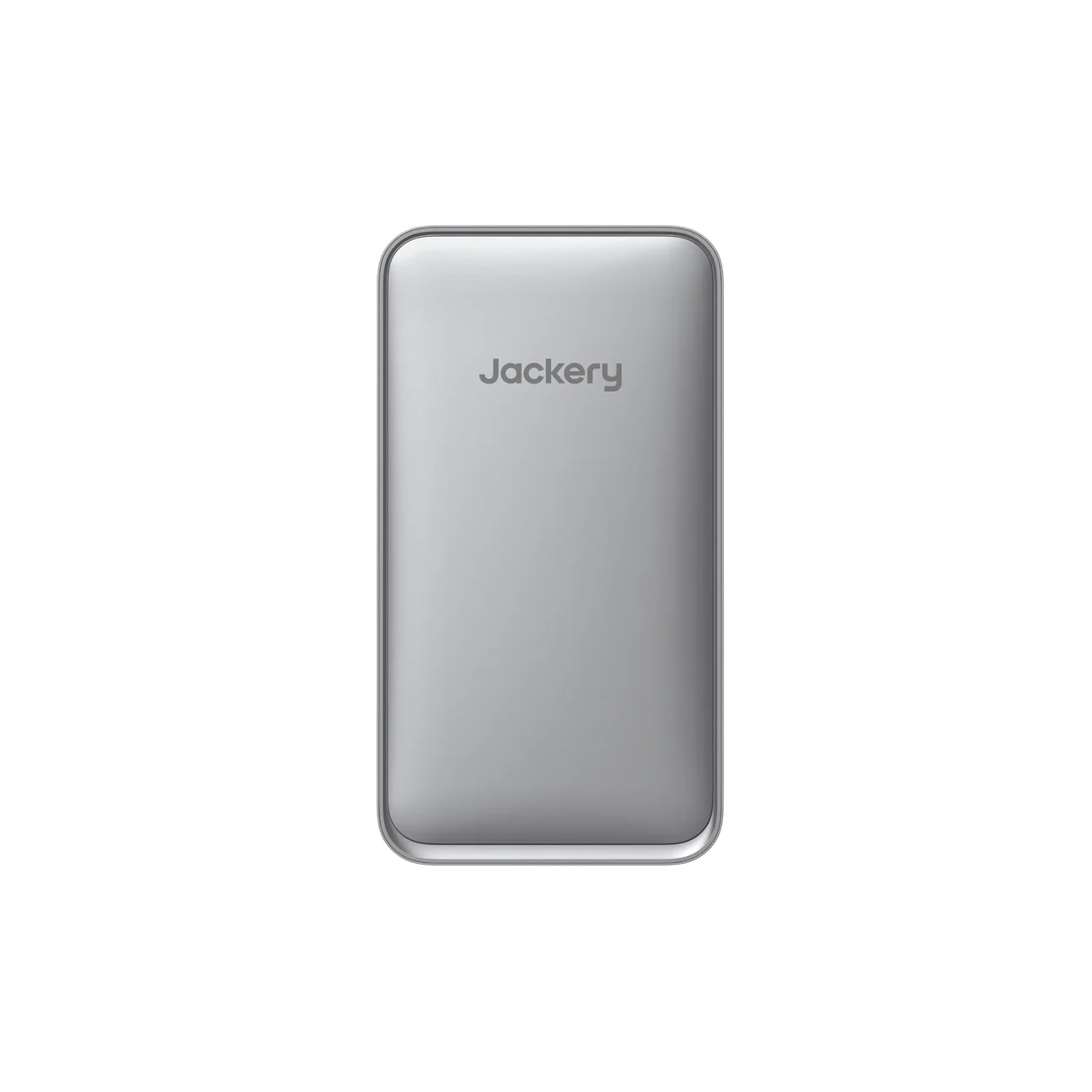
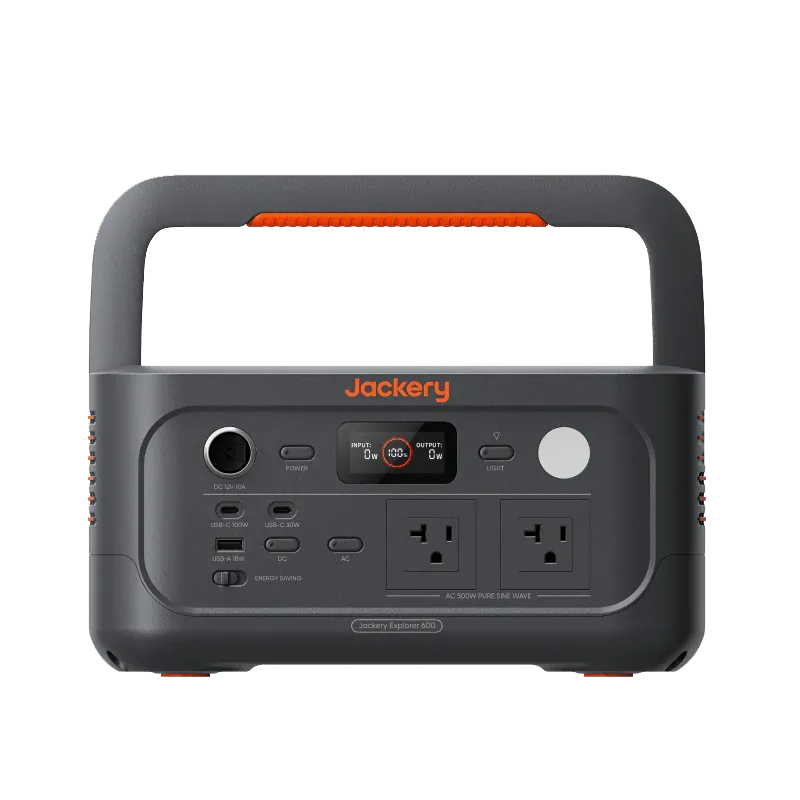
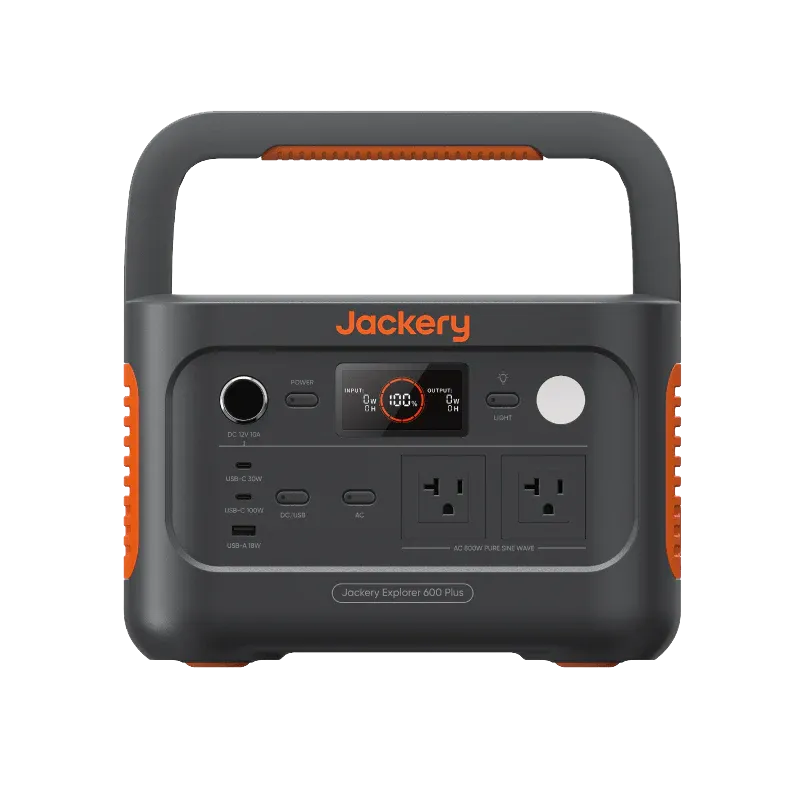
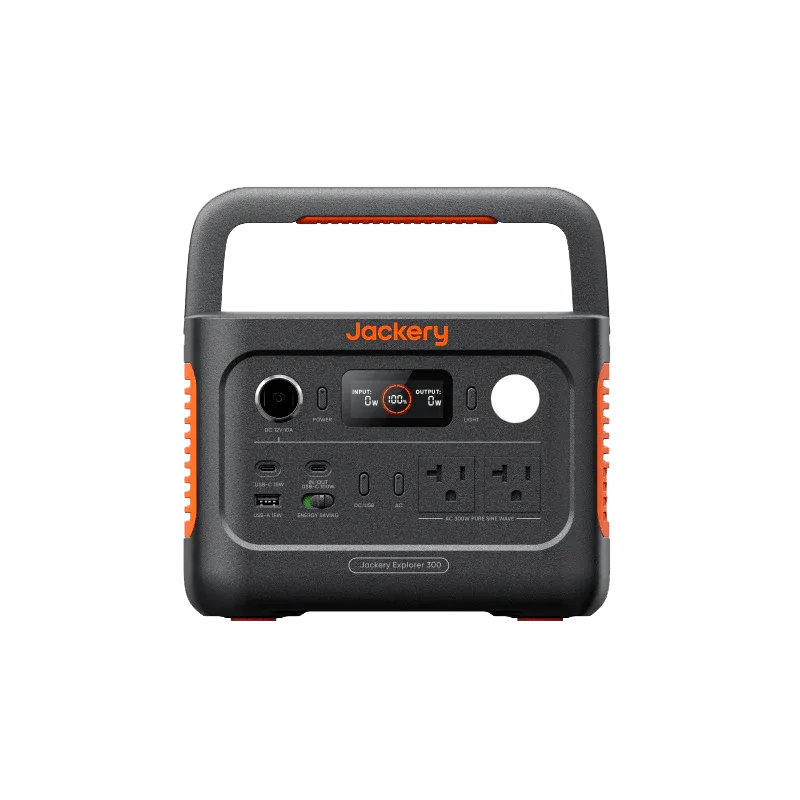
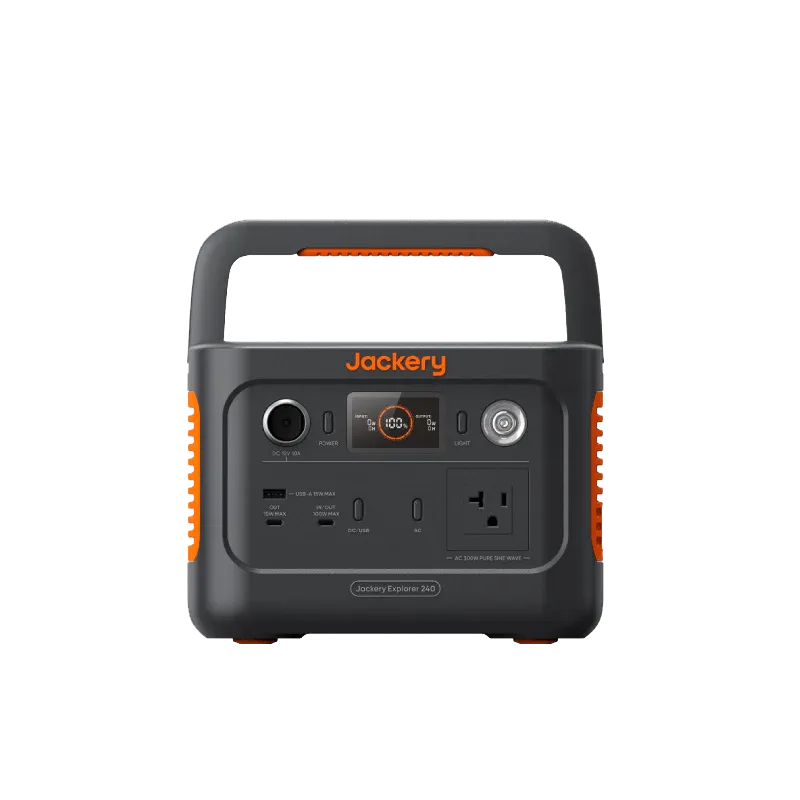
| Product | Price | Capacity | AC Output | DC Output | Solar |
|---|---|---|---|---|---|
| $2,899 | 5,040Wh+ | 7,200W | 10A | 4,000W 1 1,200W 2 | |
| TBD | 3,584Wh+ | 4,000W | -- | 1,200W 2 | |
| $1,599 | 3,584Wh+ | 3,600W | 10A | 1,000W 2 | |
| $1,299 | 3,072Wh | 3,600W | 10A | 1,000W 2 | |
| TBD | 2,048Wh+ | 2,400W | 10A | 800W 2 | |
| $1,099 | 2,042Wh+ | 3,000W | 10A | 1,400W 2 | |
| $799 | 2,042Wh | 2,200W | 10A | 400W 2 | |
| $999 | 1,536Wh | 1,800W | 10A | 800W 2 | |
| $699 | 1,536Wh | 2,000W | 10A | 400W 2 | |
| $999 | 1,264Wh+ | 2,000W | 10A | 800W 2 | |
| $499 | 1,070Wh | 1,500W | 10A | 400W 2 | |
| TBD | 1,024Wh | 1,500W | 10A | 400W 2 | |
| TBD | 1,024Wh+ | 800W | -- | 500W 3 | |
| $499 | 640Wh | 500W | 10A | 200W | |
| $429 | 632Wh | 800W | 10A | 200W | |
| $269 | 288Wh | 300W | 10A | 100W | |
| $249 | 256Wh | 300W | 10A | 100W 4 |
1. Jackery High-PV and Low-PV combined total. 2. Jackery two ports combined total. 3. Requires Jackery DC Input Module 4. Jackery 8020 to USB-C adapter is required to connect solar panel.
See how other power systems compare:
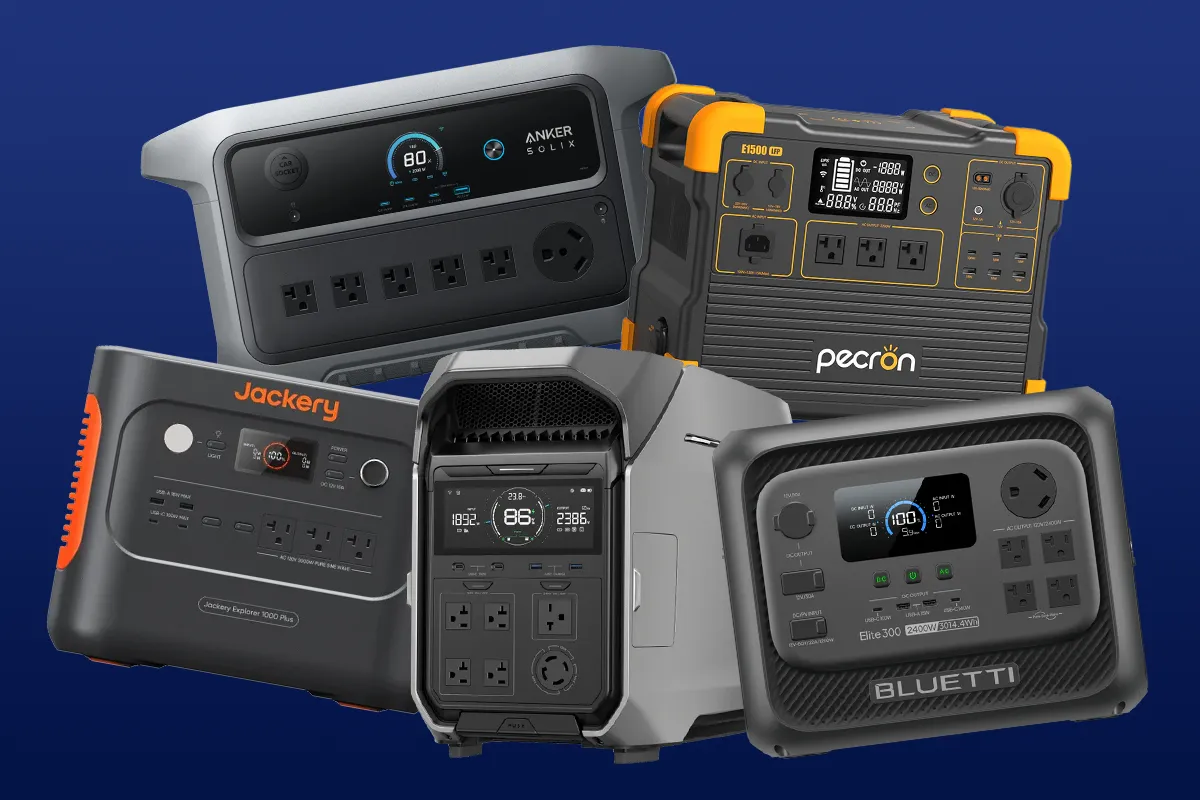
Power Systems
Compare Types, Brands, & Models
Limited DC Output
The most significant hurdle for using a Jackery in a van or RV is the limited 12V DC output. While several EcoFlow and BLUETTI models offer a 30A DC output to run a full DC fuse block, current Jackery units are capped at only 10A total DC output via a single cigarette lighter socket.
Why this matters for your build:
- Limited Simultaneous Use: A typical 12V fridge pulls 6-10A. If you add a MaxxAir fan (~4A) and LED lights (~1A), you are above the 10A limit.
- Inductive Loads: Items like diesel/gasoline heaters or water pumps have high startup surges (sometimes over 12A). These will often trip the Jackery’s DC circuit breaker instantly.
- Workaround: To run a real 12V system, you would have to use the Jackery’s AC inverter to run a separate 12V power supply (such as a Victron Blue Smart IP22 Charger). This is an inefficient process that wastes battery capacity running the inverter and in conversion loss.
Need higher DC output? Check out other brands that support 30A DC or higher:
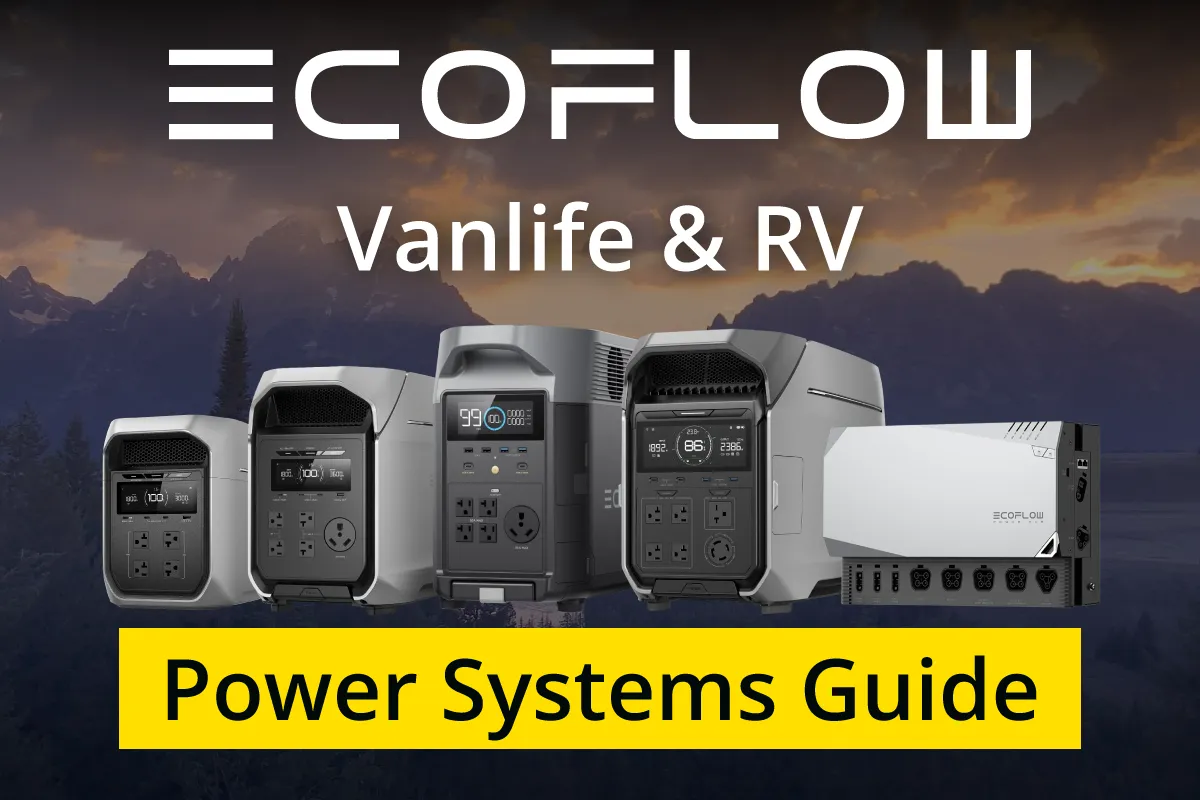
EcoFlow Power Systems
Ultimate Vanlife Power System Guide
BLUETTI Power Systems
Ultimate Vanlife Power System Guide
Battery Chemistry
Not all lithium batteries are equal. You may still see older discounted models using outdated lithium‑ion chemistry, especially on third‑party sites. Some shoppers choose older models because of the lower price without realizing the difference in cycle life.
- LiFePO₄ / LFP / Lithium Iron Phosphate: Jackery rates these for 4,000 cycles to 70% capacity. Used in all new Jackery models.
- Lithium-ion (NMC): Rated for <1,000 cycles. Found in older models.
What Jackery does well
- Popular well‑known brand
- Simple, plug‑and‑play operation
- Reliable LiFePO₄ batteries in new models
- Great for weekenders or simple builds
Alternator Chargers
Alternator charging is essential for vanlife, offering fast, reliable recharging while driving. It often outperforms solar and isn’t dependent on sunshine or good weather. Jackery currently offers a 600W alternator charger model. It includes an ACC signal wire, making it more reliable for modern vehicles with smart alternators.
| Model | DC-DC Alternator Charger |
|---|---|
| Photo | 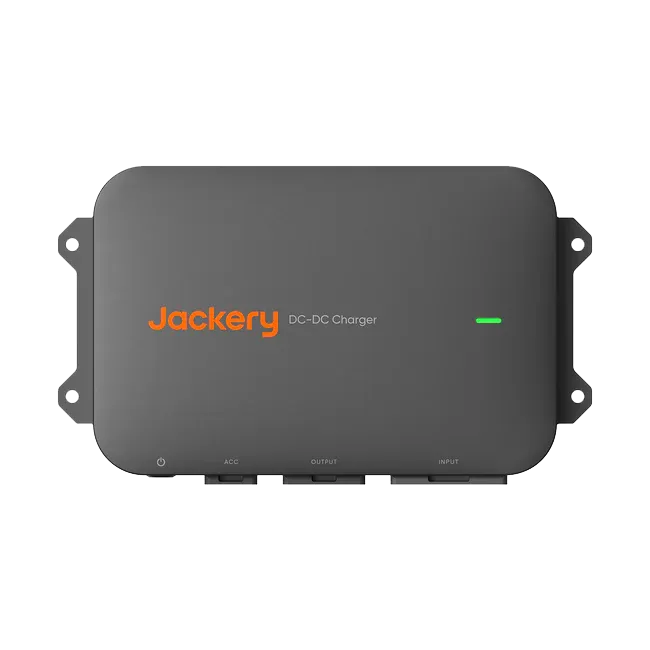 |
| Links | |
| Price | $244 |
| Charger Output | 600W |
| ACC Signal Wire | Included |
The Jackery alternator charger uses a DC8020 connector that is intended to be used with Jackery power stations.
Not sure it’s the best fit? My alternator charger guide covers all the popular brands.
Solar Power
Solar charging offers a quiet, sustainable, and free way to extend off-grid time. However, its effectiveness depends entirely on sunlight; factors like shade, sun angle, temperature, and wiring configuration (series, parallel, or series-parallel) all significantly impact power output.
Solar Array Configuration
Solar panel setups often involve arrays of multiple panels using series, parallel, or series-parallel wiring. Series connections add voltage but can suffer significant power drops if even one panel is partially shaded. Parallel wiring adds current (amperage), allowing unshaded panels to still produce power, ideal for patchy sunlight. Series-parallel setups combine both approaches.
Solar Panel Types
Jackery offers portable solar panels, but you may prefer rigid panels for a permanent roof mount.
While Jackery provides various solar panel options and bundles, prioritize panels that physically fit your vehicle; using other reputable brands is okay. I personally use Newpowa panels as they fit my rack setup best.
Shore Power
Shore power charging allows you to replenish your Jackery power station by plugging into a standard electrical outlet, often found at campgrounds or homes, using the power station's normal AC charging cable. For easier charging, you can install a weather-resistant AC port on your vehicle, such as the Noco GCP1.
* Prices listed may be out of date and can change at any time.