
Velit Gasoline Heater Vanlife Review
Updated:
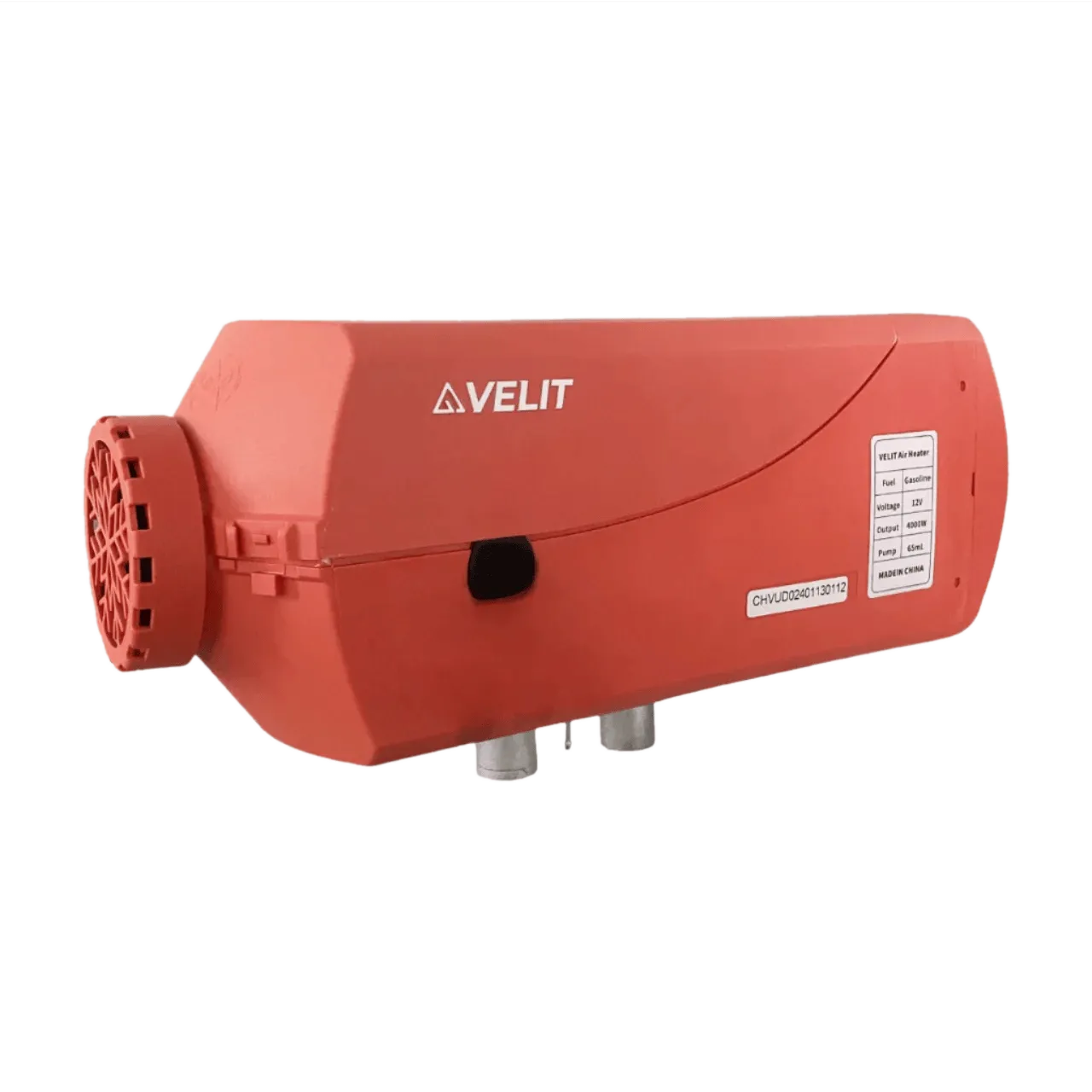
I installed the Velit Gasoline Air Heater hoping it would handle cold winter nights and high elevation. It’s rated at 14,000 BTU and built for both gas and diesel vehicles, which made it a good fit for my Ford Transit.
After a year and a half of regular use, I have a good sense of its reliability, quirks, and overall value. My review covers how it performed in real conditions, what installation involved, and whether I’d recommend it.
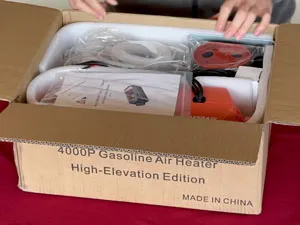
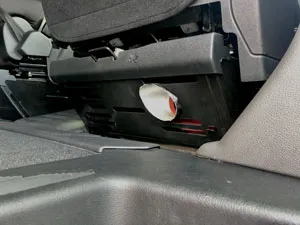
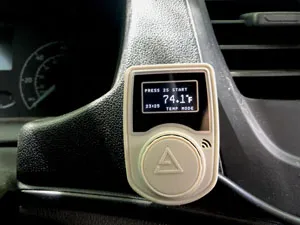
Pros & Cons
Pros
- Offers a gasoline version (diesel version also available)
- Works great at high elevation (I have used at 8,000 ft, rated to ≤17,000 ft)
- Heats quickly (kept me warm in 10°F (-12°C), be careful not to leave items in front of it)
- Great value (compared to Espar (Eberspächer) and Webasto)
- Quiet fuel pump (hardly noticeable inside vehicle)
- Efficient fuel usage (I don't notice my fuel level change)
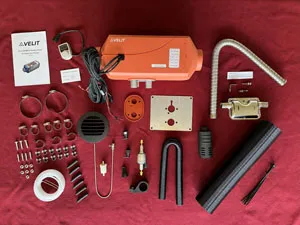
- Includes quick connectors and standpipe (different install options)
Cons
- Complicated install (as with any similar heater, Velit also has an all-in-one portable heater)
- More expensive than cheap diesel variants (US based company, 2 year warranty)
- Had to upgrade wiring (due to low voltage error, simple fix)
- Not silent (as expected you can hear the fan when running)
- Thermostat needs improvement
- Poor interface (single dial button that controls everything)
- Bright light at night (can't adjust brightness, screen doesn't timeout)
- Large temperature range
- Minimum set temperature of 60°F (I wish it could be set to 40°F)
- No Celsius option (frustrating for users outside the US)
- Bubbles in fuel line
- Requires manual priming after long drives or periods of inactivity (included standpipe might work better than accessory port)
- Difficult to know how long to manually run the fuel pump (sometimes takes a few tries but always starts)
- Random errors
- Occasionally errors out and eventually turns off (not sure if it's due to air bubbles or something else)
- Periodically needs reset (by unplugging screen)
New thermostat
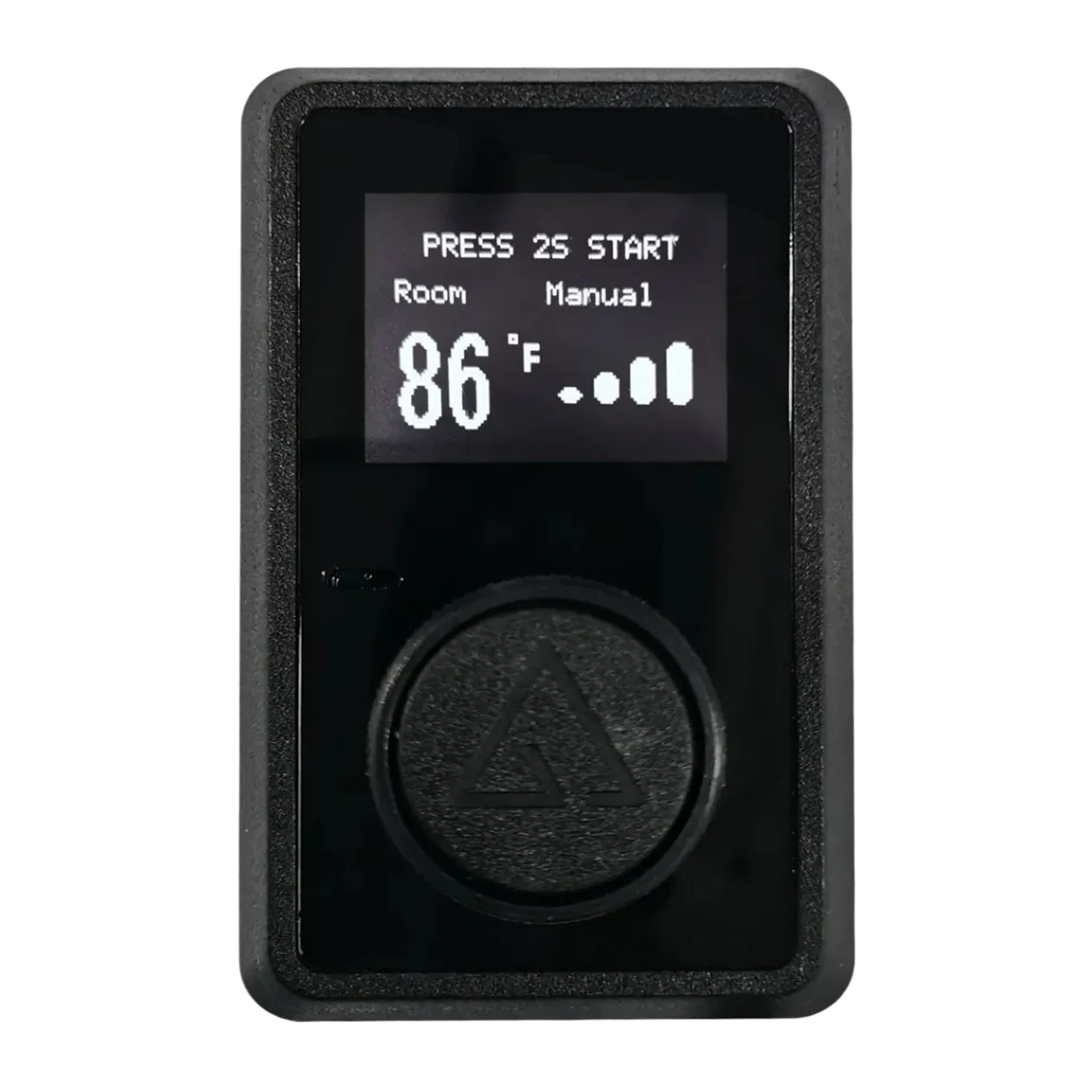
I reached out to Velit about reviewing the new thermostat and they replied the same day and offered to send me an upgrade kit. One of their employees happens to live nearby so I will be meeting them soon. They said the new thermostat should solve many of my concerns. I plan to document the upgrade process and provide a comparison to the older model.
The new smart thermostat now comes standard and is equipped with built-in carbon monoxide and flammable gas sensors. It also adds Bluetooth, allowing you to control your heater from up to 100 feet away using your phone.
Installation
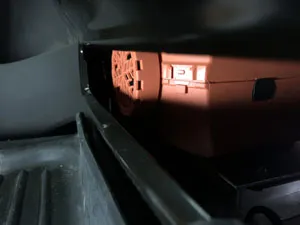
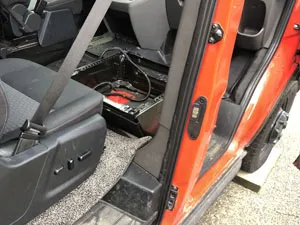
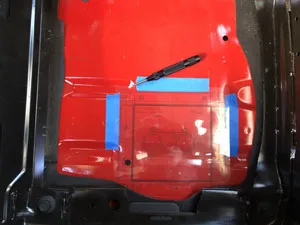
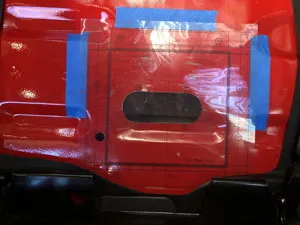
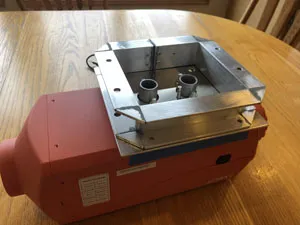
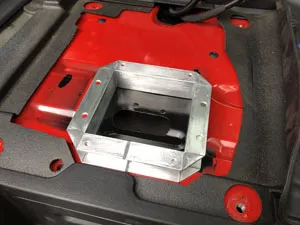
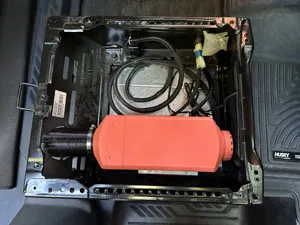
It requires you to drop the vehicle's fuel tank, route the fuel line, cut a hole in the floor for the heater, mount the fuel pump, route air intake, and mount the exhaust. Care needs to be taken as it deals with both an electrical item but also flammable fuel near very hot items such as the vehicle's exhaust shield.
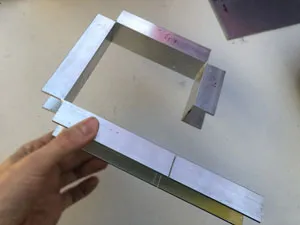
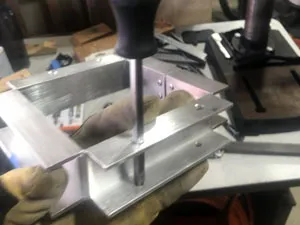
I made several custom brackets for various items to make the install better and safer. The following photos document much of my process, although a few steps are missing as I was in a hurry to get on the road and enjoy the snow.

Wiring upgrade
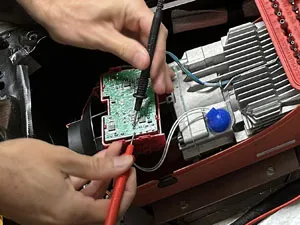
The heater worked great during the first long winter trip. However, we noticed it having trouble starting occasionally and figured it was just due to air bubbles in the line from driving. However, months later it would fail to start and we determined it was due to low voltage. To fix this, we upgraded the main wiring.
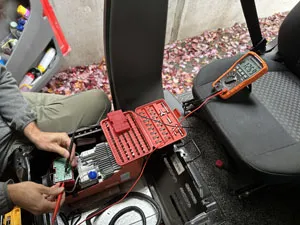
Specifications
- Price: $729
- Fuel type: gasoline / diesel
- Heat output: 14,000 BTU
- Operating temperature: -30°F to 75°F (-34°C to 24°C)
- Operating elevation: ≤17,000 ft
- Voltage: 11-16V DC
- Rated power: 20-46W
- Fuel consumption: 0.05-0.13 gph / 0.05-0.12 gph
- Weight: 10lbs
- Dimension: 14.6 × 5.5 × 5.9 in (371 × 140 × 150 mm)
- Warranty: 2 years
Questions or feedback? Connect on Facebook, Instagram, or contact page. If you found this post helpful, please share it with others!