EcoFlow DELTA Pro 3: Vanlife Power Station Review
Updated:
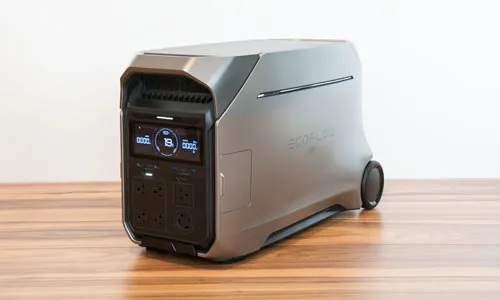
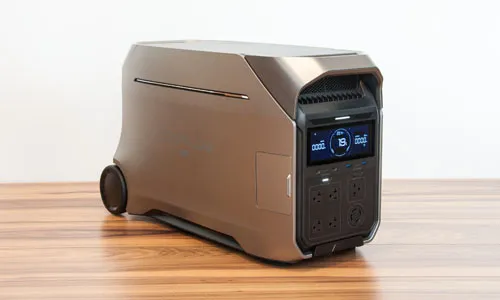
The EcoFlow DELTA Pro 3 is a highly capable power station with solid performance and versatility. Having used both the DELTA Pro 3 and original DELTA Pro extensively in my personal van setup, I've found it to be a cutting-edge alternative to a DIY electrical system that saves significant time and money without compromising on what's important. In this review, I will cover the product details, important considerations, and how it compares to the previous model.
My opinions, not under contract. Uses affiliate links. Brands send some review items. See details

What's New
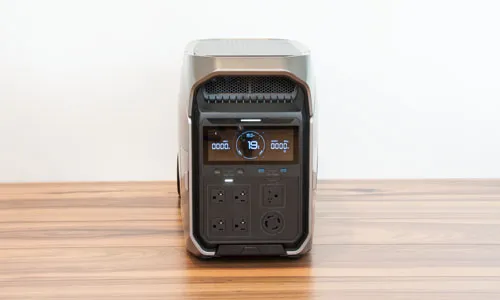
Notable improvements over the previous generation DELTA Pro:
- Increased capacity: Now 4,096Wh, which is a 496Wh increase over the original 3,600Wh.
- Additional solar port: Upgraded from a single solar input to two independent ports, separating high-voltage and low-voltage arrays for massive charging flexibility.
- Quiet operation: The redesigned thermal system is much quieter, often running completely fanless under normal loads. When the fans do kick on, they operate as low as 30dB. In a tight space where you sleep close to your gear, this silent operation is a massive upgrade over older, louder models.
- Ventilation direction: Airflow now moves front‑to‑back instead of side‑to‑side, freeing up valuable space beside the unit. Since the front and rear already need clearance for cables, this change reduces the overall space needed for installation.
- Increased AC output: Delivers 4,000W continuous pure sine wave output (up from 3,600W), with a massive 8,000W surge capacity.
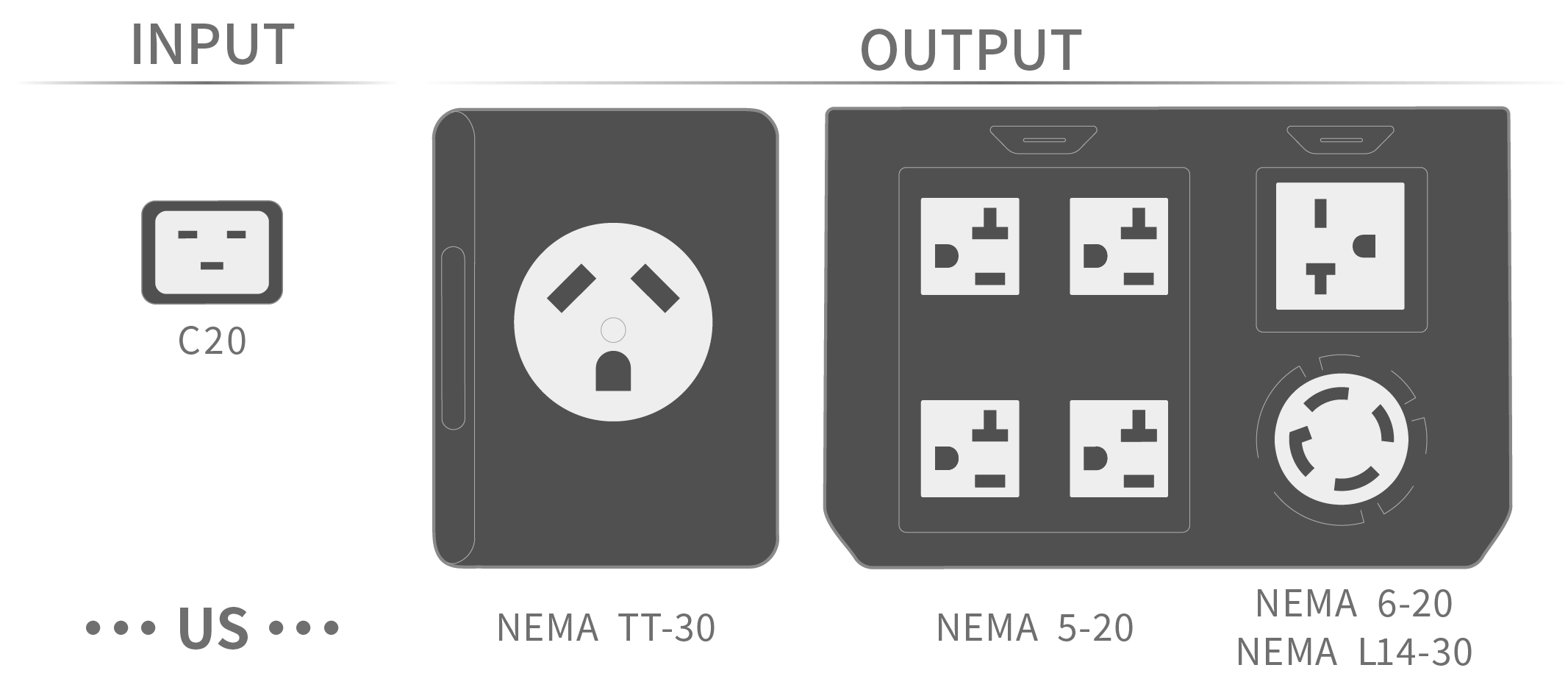
- More AC outlets: Now natively includes a NEMA L14-30 twist-lock (120/240V~16.7A) and a NEMA 6-20 (240V~16.7A) port on the front of the unit. This brings 240V split-phase power to a single unit, eliminating the older generation's requirement of chaining two separate power stations together with an external hub just to get high‑voltage.
- Battery lifespan: Upgraded LFP (LiFePO4) cells boast 4,000 cycles to 80% health, an increase from 3,500 cycles on the original model.
- Faster UPS switchover speed: Ultra-fast sub-10ms automatic switching speed now keeps sensitive electronics or mobile work setups from shutting down when connected to the grid.
Highlights
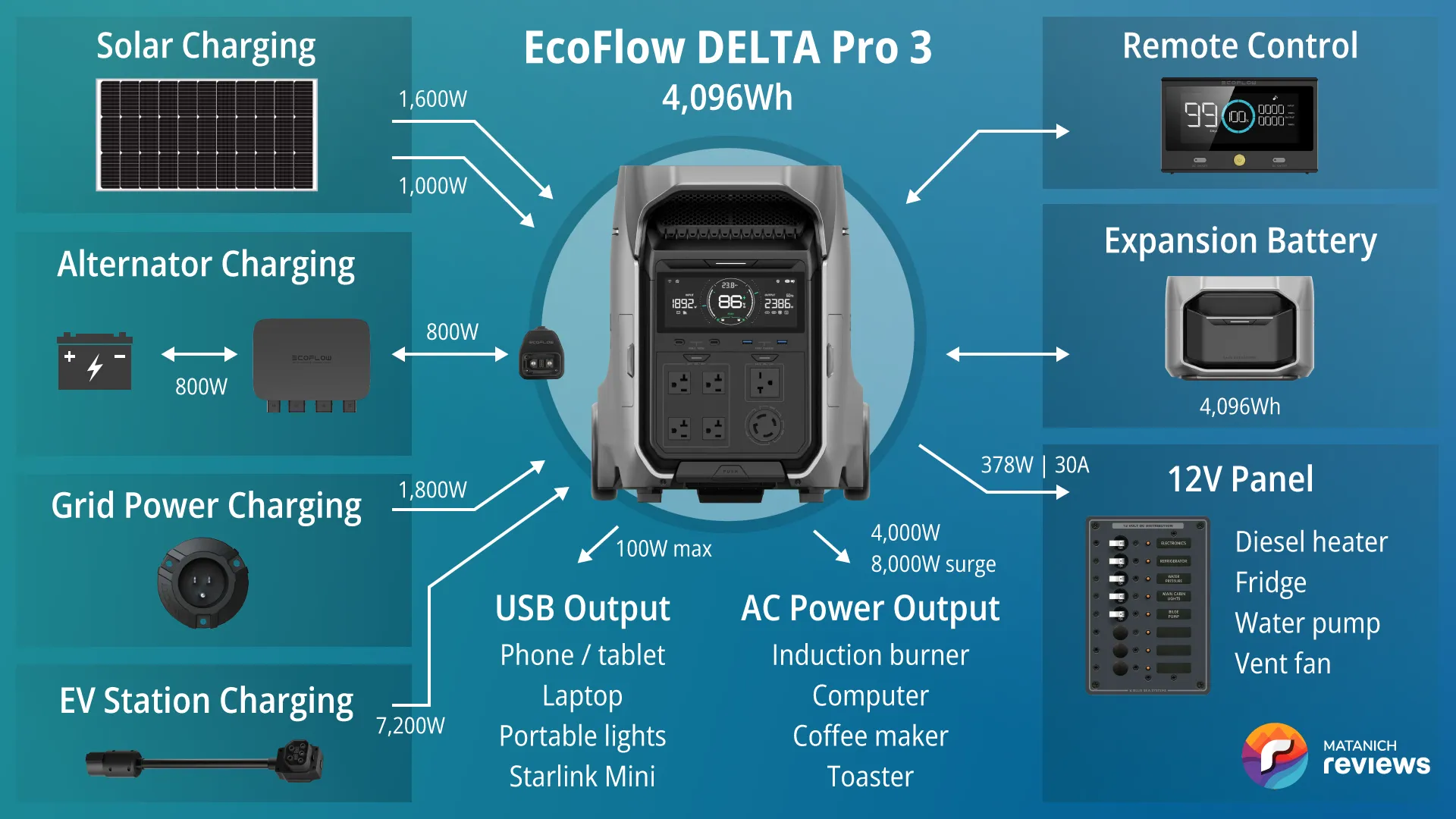
- Dual solar input ports: Features two independent solar inputs: high‑voltage port (30-150V⎓15A, 1,600W), low‑voltage port (11V-60V⎓20A, 1,000W). This provides the flexibility to support mismatched solar panels/arrays, deploy ground panels alongside a fixed roof array, or hook up a third-party alternator charger.
- High capacity and expandable: Scalable from its large 4,096Wh starting battery capacity up to an impressive 12.2kWh by adding EcoFlow expansion batteries.
- High AC output: Provides a robust 4,000W total continuous output (with 8,000W surge capacity), easily running heavy loads simultaneously such as induction cooktops, water heaters, or microwaves.
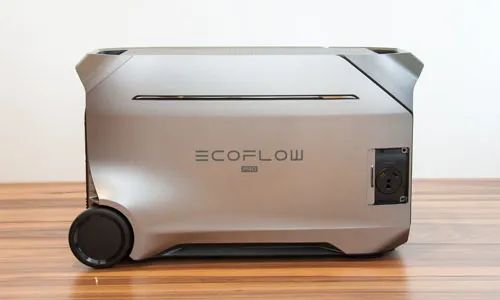
- 30A RV port: Features a built-in NEMA TT-30R 30A AC outlet which is now on the left side of the unit. This lets you plug a standard RV power cord directly into the unit without adapters.
- Dedicated 30A DC output: Delivers a native 12.6V⎓30A (378W max) via an Anderson Powerpole port to easily run a diesel heater and full 12V fuse block. This allows for high-amp 12V output, exceeding typical 10A cigarette socket limits.
- USB ports: Outfitted with 4x front-facing USB ports, including two 100W USB‑C PD ports alongside two 18W USB‑A ports.
- Grid bypass mode: Routes AC shore power directly to your electronics. By skipping the internal battery, it prevents unnecessary wear while you are plugged in.
- Great value: Packs heavy-duty specs and advanced features at a much lower price point than an EcoFlow Power Kit or custom DIY build.
- External control screen support: Compatible with EcoFlow's wired remote screen to monitor solar input, power usage, and battery level. It features physical buttons to quickly toggle AC and DC power on or off. This is a massive win for van builds, letting you locate the heavy unit out of sight without needing a Bluetooth phone app for daily tasks.
- EV station charging: Supports rapid charging at many EV charging stations using the optional EV X-Stream Adapter. By connecting to the proprietary AC Power In/Out port located on the back, the adapter can pull up to 7,200W of input power, allowing you to top off the massive battery pack in under an hour while on road trips.
Considerations
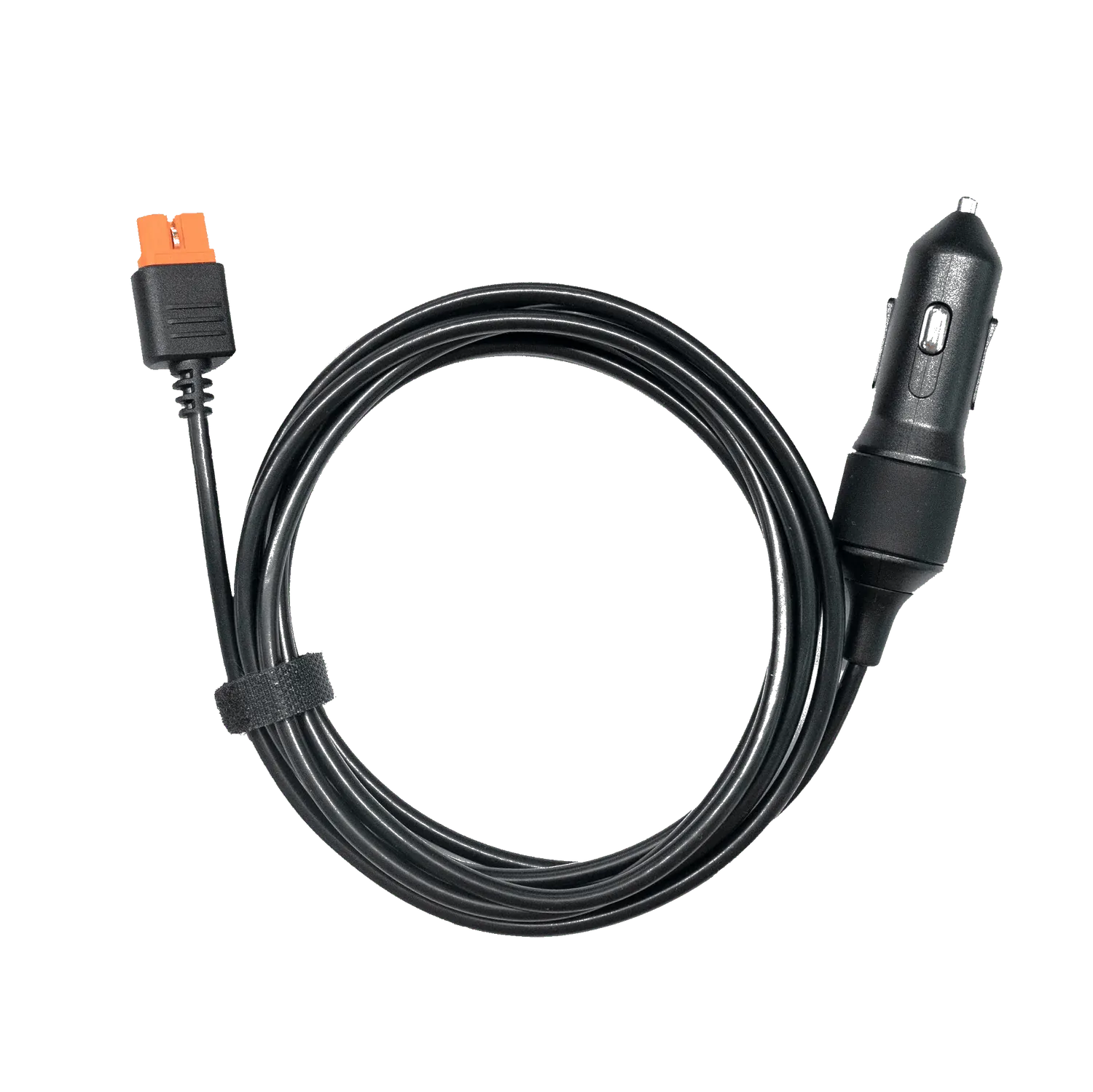
- No cigarette lighter port: EcoFlow removed the standard 12V socket entirely. To power common accessories like a 12V fridge, you will need to wire in a DC fuse block or source a 3rd‑party Anderson-to-cigarette adapter.
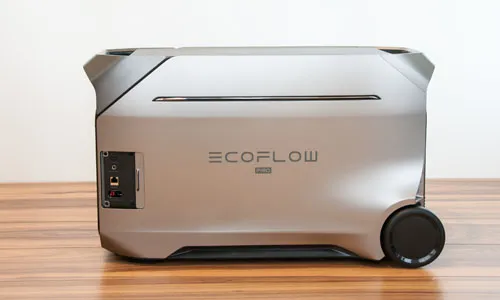
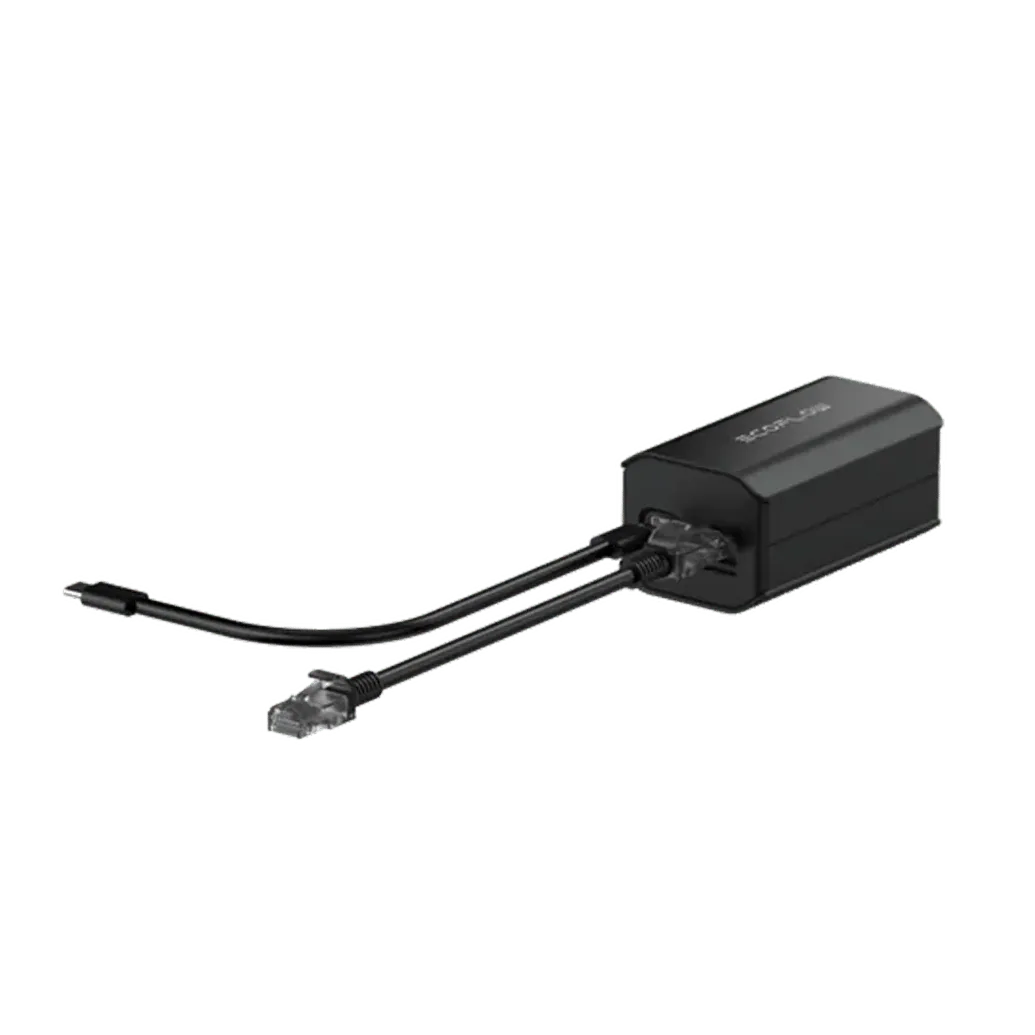
- Cable and port placement: Fortunately, most of the ports are located on the front and back of the unit. However, there are a few ports located on the side of the unit: DC Anderson Powerpole, DC5521, RJ45 for control screen, 30A AC plug. Cables protruding from the sides can easily get bumped or snagged in tight van layouts.
- Expansion limit: Since batteries cannot be chained together, the overall system capacity is capped at 12.2kWh via its two expansion ports (1 unit + 2 batteries).
- USB downsides: Only 4 USB ports (2x USB A, 2x USB C) vs original DELTA Pro with 6 USB ports. The high‑output USB‑C maxes out at 100W vs the DELTA Pro Ultra Plus at 140W.
- Shared DC output limits: The high-output 30A Anderson port shares its overall power pool with the USB ports, meaning they cannot all be maxed out simultaneously.
- Cold weather use: Like most power stations, it doesn't include internal self‑heating, so usage can be restricted if internal temperatures drop below 32°F.
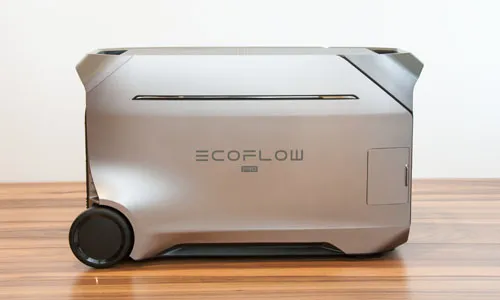
- Size and weight: At 114 lbs (51.5 kg), this unit is best treated as a fixed installation rather than something you move often. It typically takes two people to lift into place. While the built-in dolly wheels make short rolling trips easy, the wheels protrude out the sides, preventing the unit from sitting flush against a wall.
- Cannot use 120V and 240V simultaneously: Activating the 240V outlets automatically cuts power to the 120V outlets, meaning you cannot draw both voltages at the exact same time.
Detailed Comparison
A side‑by‑side comparison with the most similar EcoFlow alternatives to the DELTA Pro 3:
| Model | DELTA Pro 3 | DELTA Pro | DELTA 3 Ultra Plus |
|---|---|---|---|
| AKA | DP3 | DP | D3U+ |
| Photo | 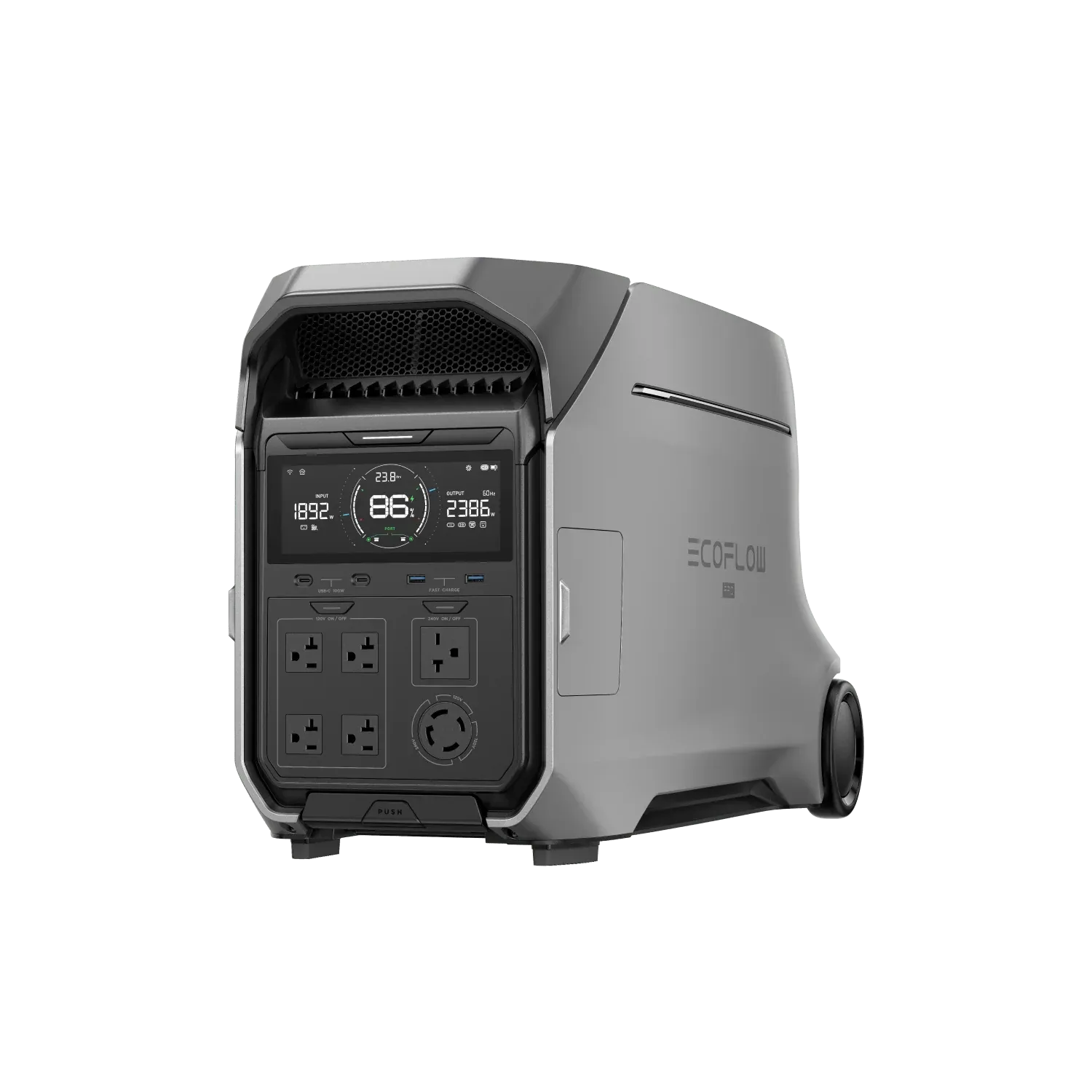 | 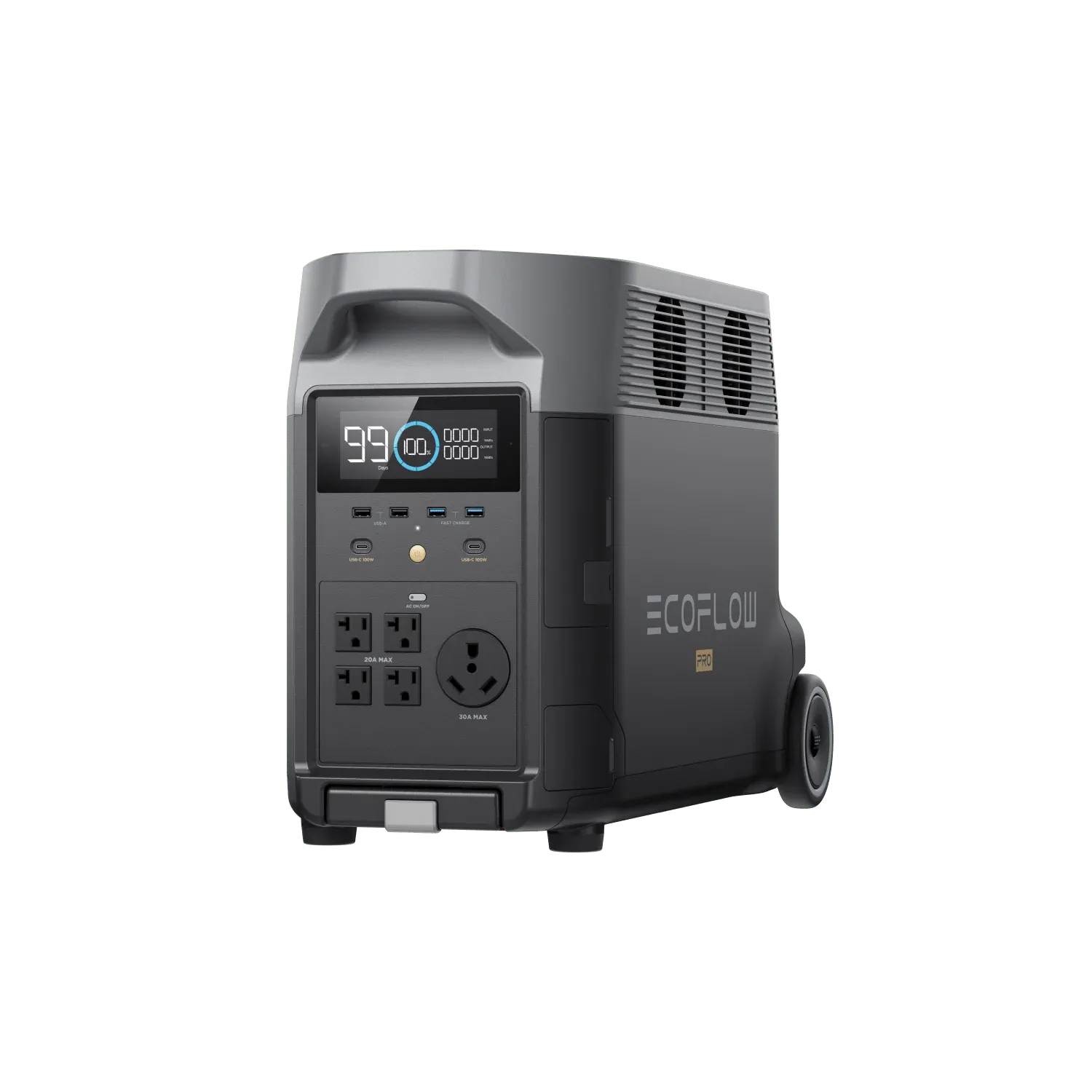 | 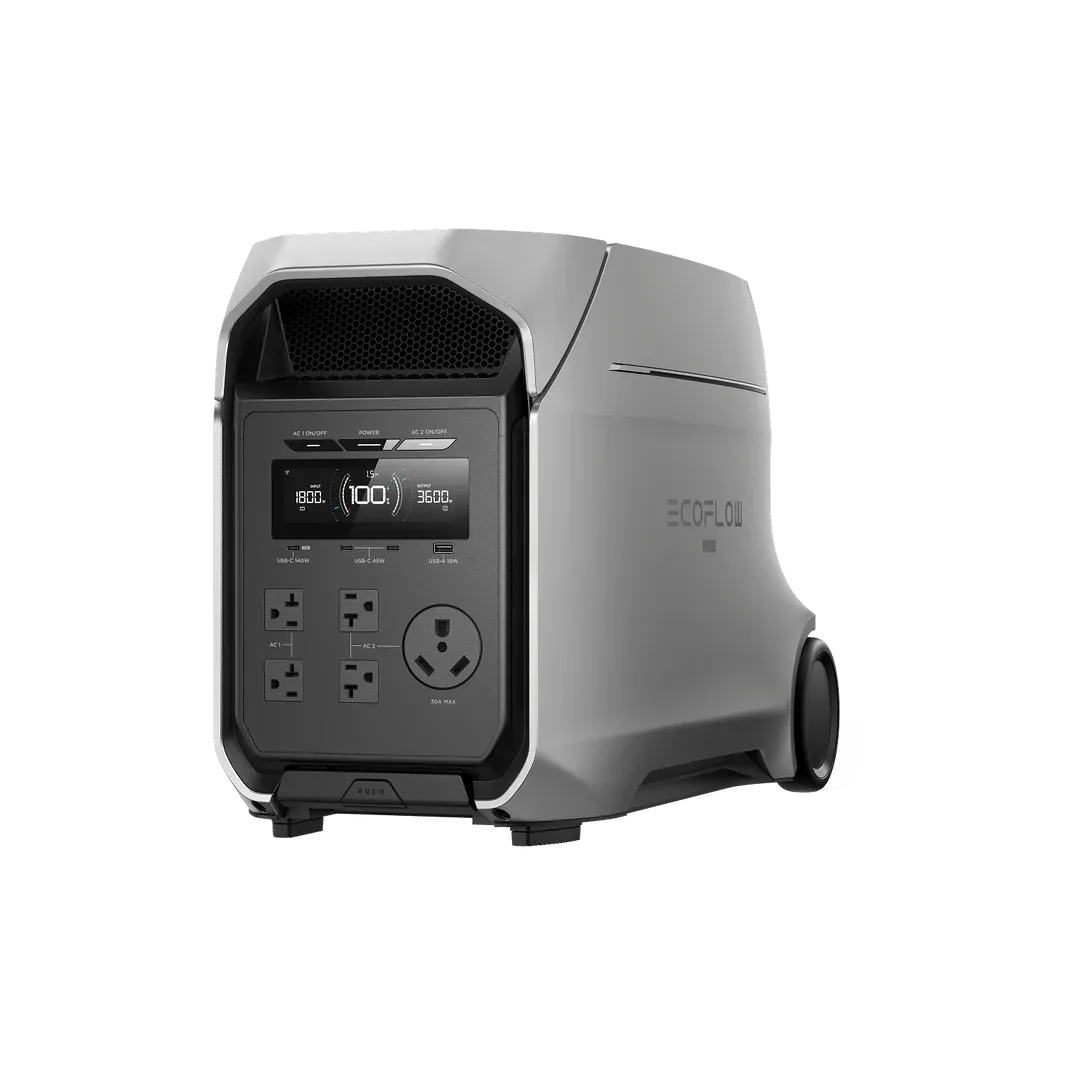 |
| Links | |||
| Price | $2,599 | $1,499 | $1,499 |
| Capacity | 4,096Wh | 3,600Wh | 3,072Wh |
| Extra battery | 2x | 2x | 2x 1 |
| AC output | 4,000W total 8,000W surge | 3,600W total 7,200W surge | 3,600W total 7,200W surge |
| AC ports | ×4 (20A each) ×1 (30A) ×1 (120/240V~16.7A) ×1 (240V~16.7A) | ×4 (20A each) ×1 (30A) | ×4 (20A each) ×1 (30A) |
| DC output | 12.6V⎓30A, 378W | 12.6V⎓30A, 378W | 12.6V⎓30A, 378W |
| Anderson | 30A, 378W | 30A, 378W | 30A, 378W |
| Cigarette | -- | 8A, 100W | 12.6V⎓10A, 126W |
| DC5521 | 5A | x2 3A, 38W | -- |
| Solar input 1 | 30-150V⎓15A 1,600W | 11-150V⎓15A 1,600W | 11-60V⎓18A 800W |
| Solar input 2 | 11V-60V⎓20A 1,000W | -- | 11-60V⎓18A 800W |
| Alternator input 2 | 100-800W | 100-800W | 100-800W |
| AC input | 15A 1,800W | 15A 1,800W | 15A 1,800W |
| USB A | 2x | 4x | 1x |
| USB C | 2x | 2x | 3x |
| Size (in) | 27.3 × 13.4 × 16.2 | 25 × 11.2 × 16.4 | 24.1 × 12.9 × 15.6 |
| Size (mm) | 693 × 341 × 410.4 | 635 × 285 × 416 | 613.1 × 327.7 × 395 |
| Weight | 114lbs (51.5 kg) | 99lbs (45kg) | 74.3lbs (33.7kg) |
1. Using the EcoFlow Extra Battery Expansion Adapter. 2. Expected to increase to 1000W for each power station with the release of new gen 2 alternator chargers.
Full Specifications

Accessories
DC Fuse Panel
Allows you to safely connect DC appliances to your power station (fridge, heater, lights, etc.).
Alternator Chargers
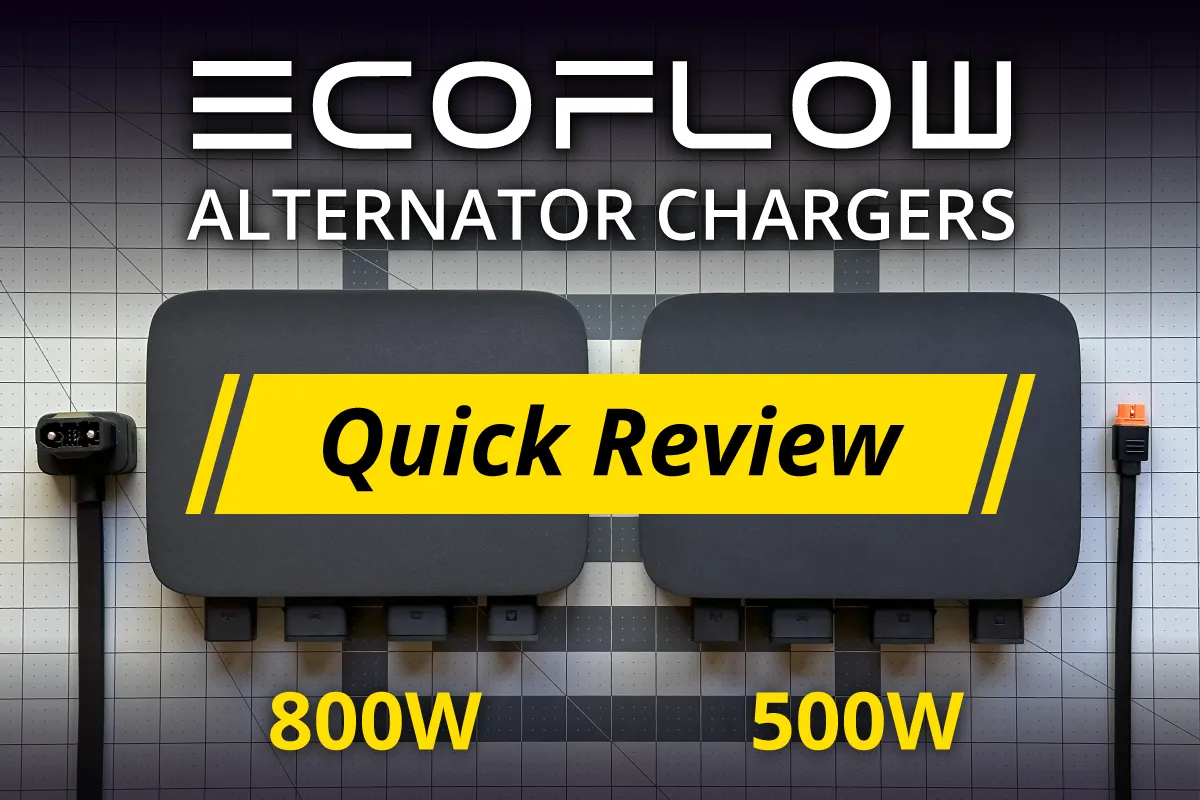
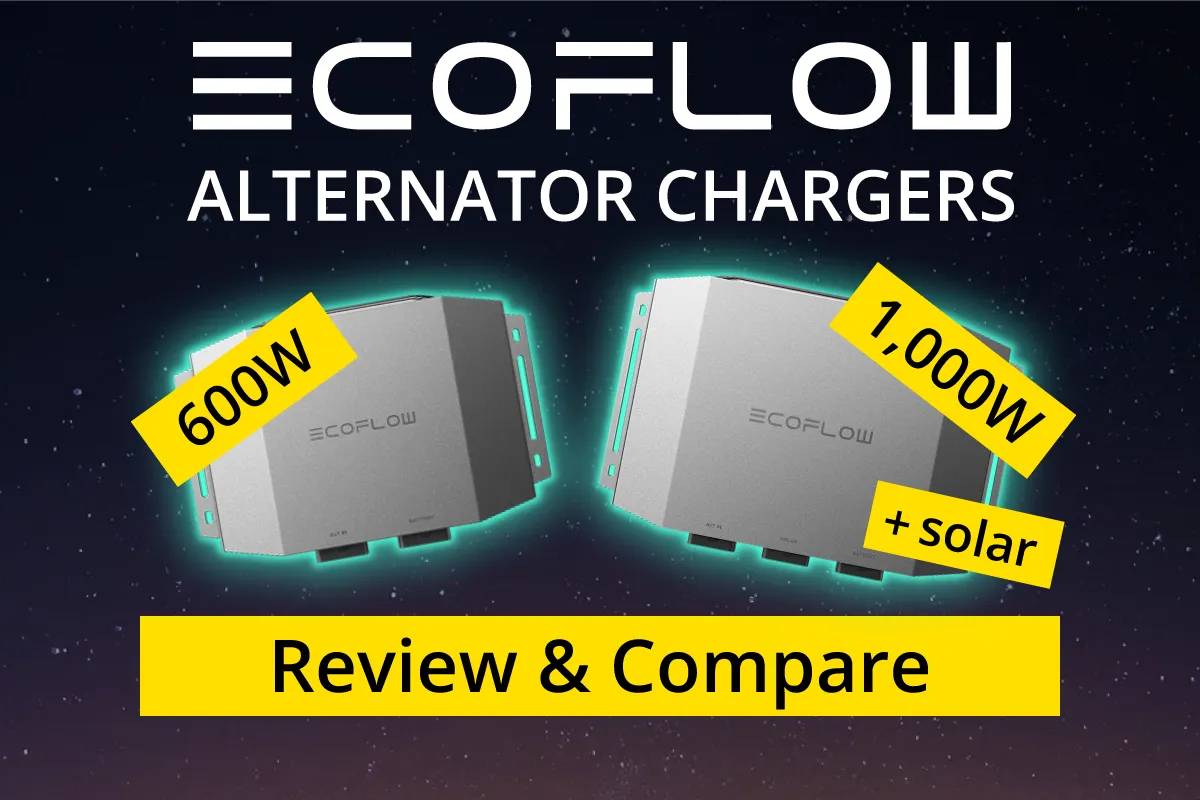
More reliable than solar, these units pull power from your vehicle to quickly charge your power station as you drive.
Solar Panels
EcoFlow offers both mountable and portable solar panels, some of which are rigid, flexible, traditional, or bifacial. While EcoFlow provides various solar panel options and bundles, always prioritize panels that physically fit your vehicle; using other reputable brands is perfectly fine.
Extra Batteries
Supports two of the following extra batteries. Some of EcoFlow's alternator chargers use the same expansion port which can limit you to a single extra battery. See full battery compatibility details.
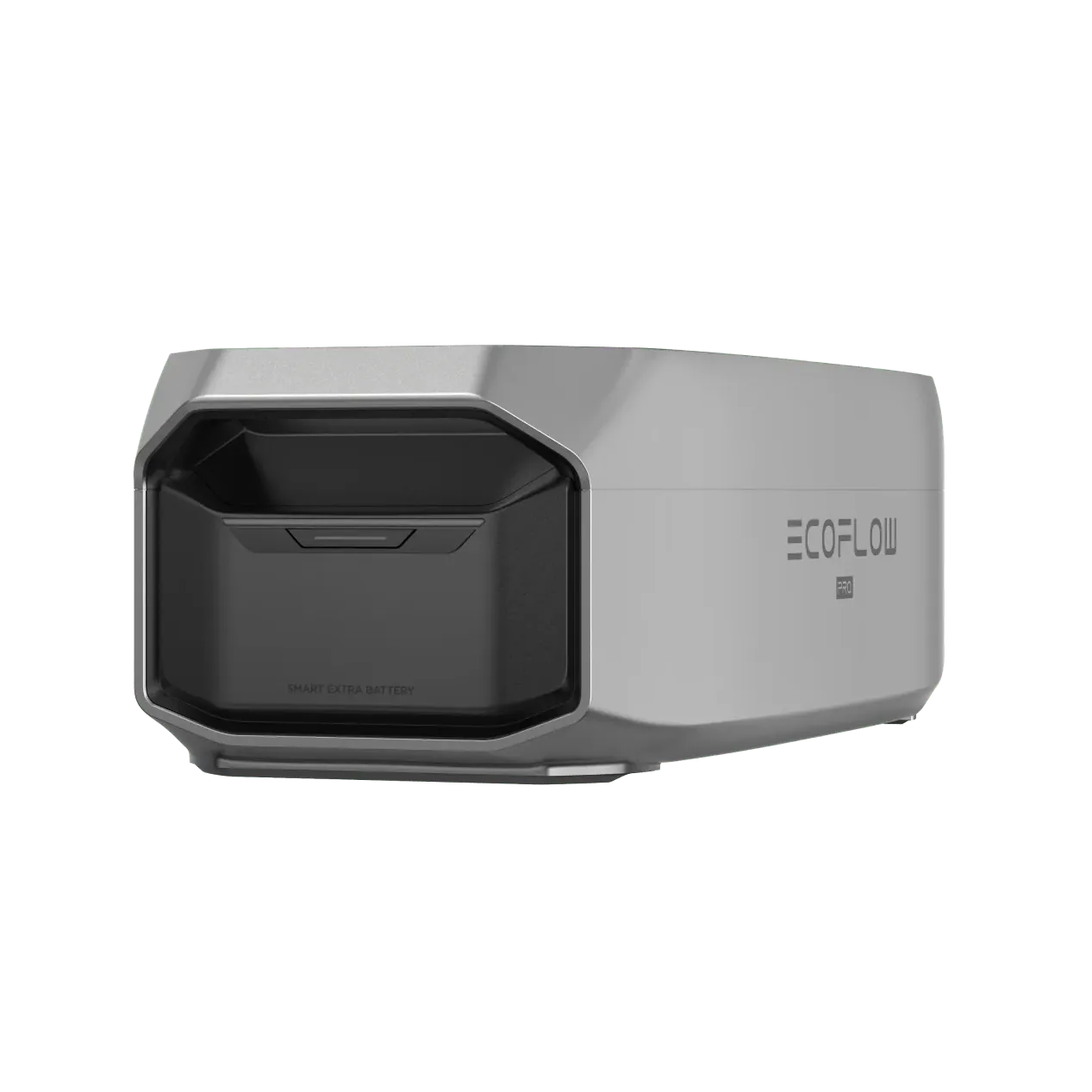 DELTA Pro 3 Smart Extra Battery4096Wh extra battery
Price: $1,899 (2x $3,599)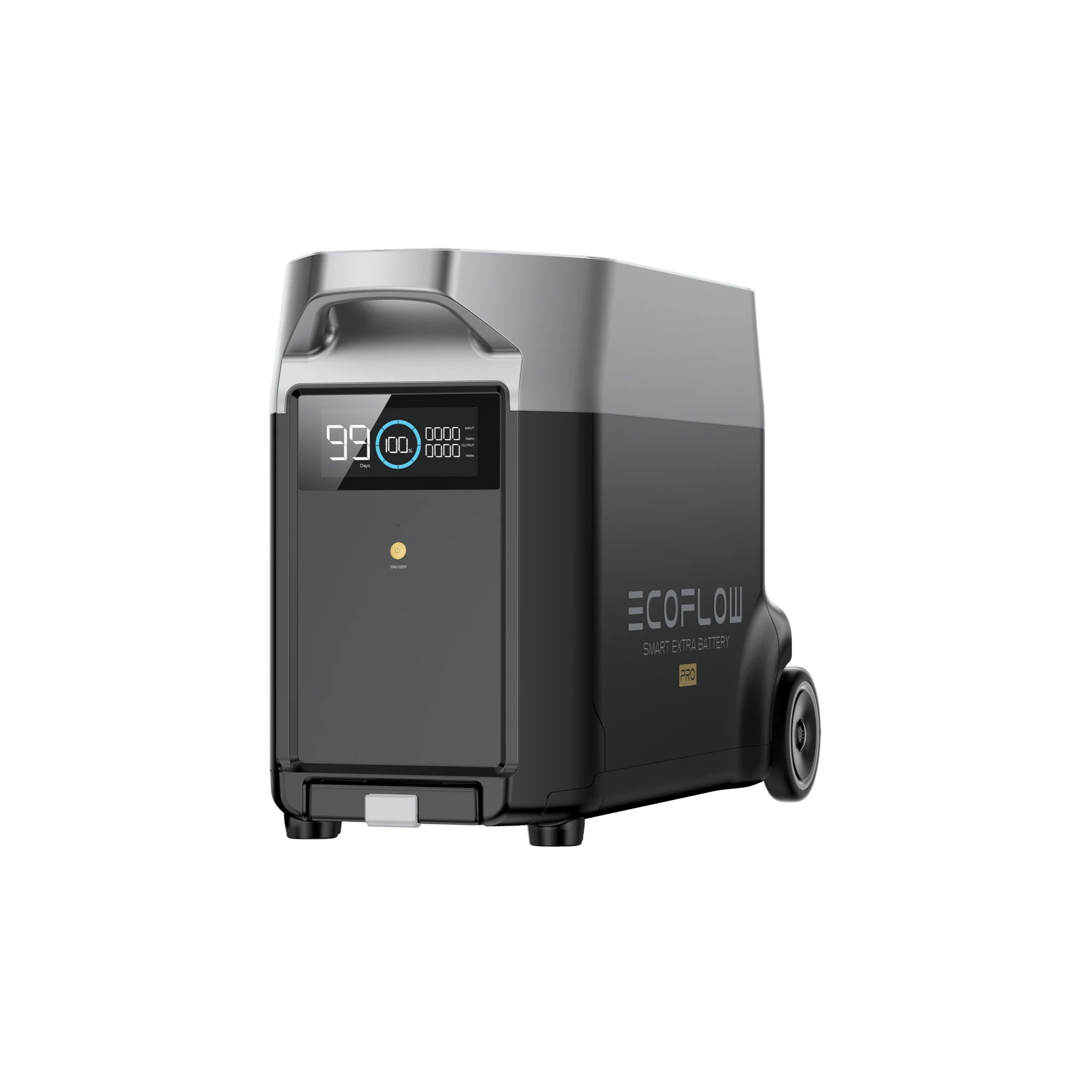 DELTA Pro Smart Extra Battery3600Wh extra battery
Price: $1,199
The DELTA Pro 3 Smart Extra Battery is the ideal choice because it matches the DELTA Pro 3's 4,096Wh capacity and stacks cleanly on top. The rubber feet on the extra battery sit neatly inside the recessed handles of the power station, which helps keep it securely aligned.
Other Accessories
Remote control, solar cables, and adapters:
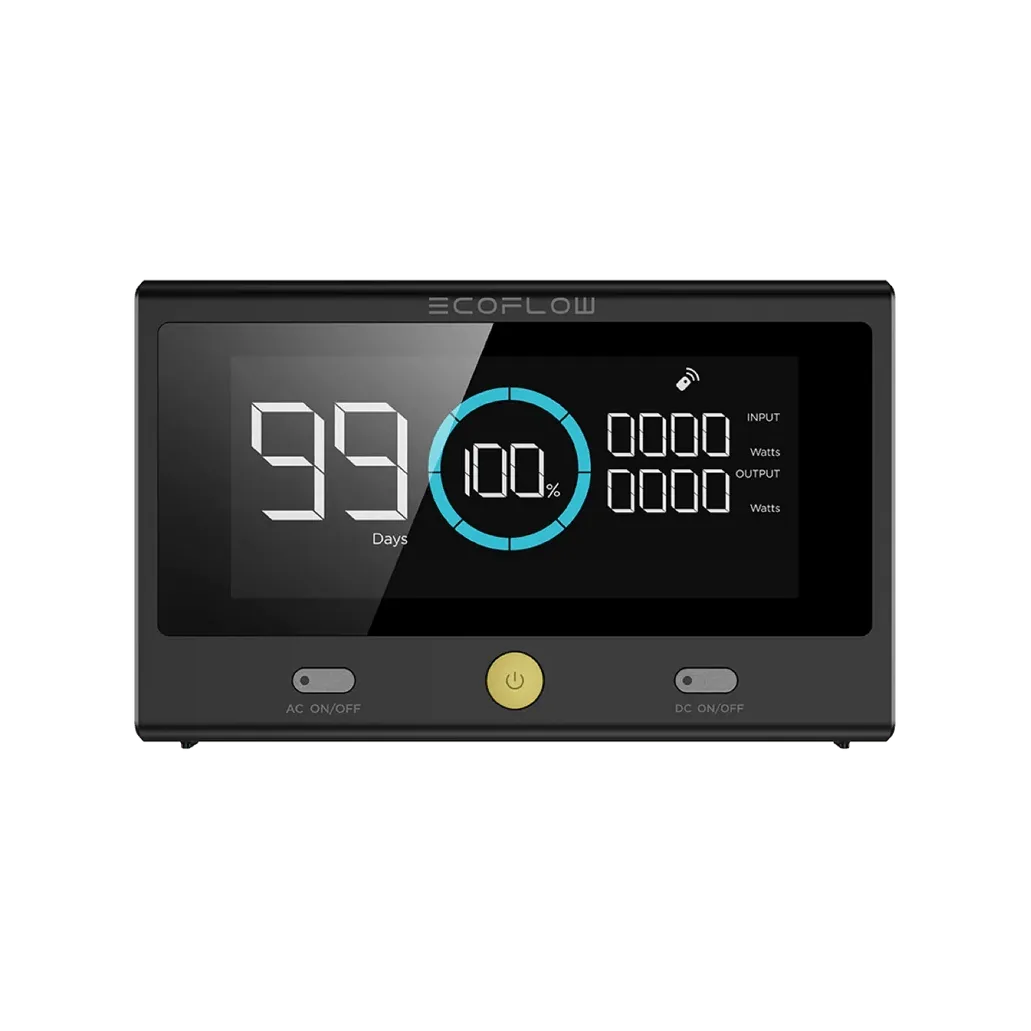 Remote Control (wired only)Remote monitoring and control
Price: $99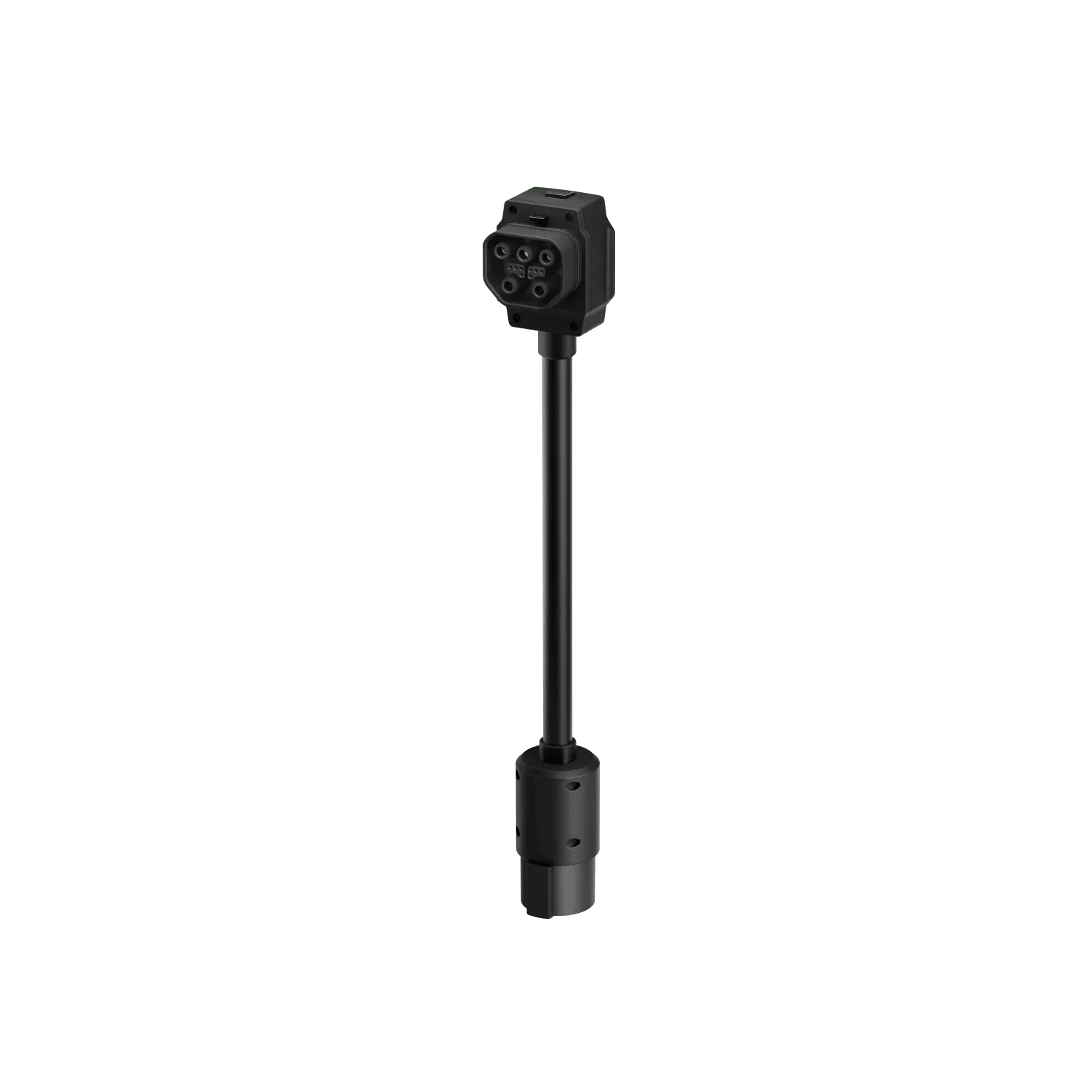 EV X-Stream Adapter7200W charging via EV station (J1772 connector)
Price: $99
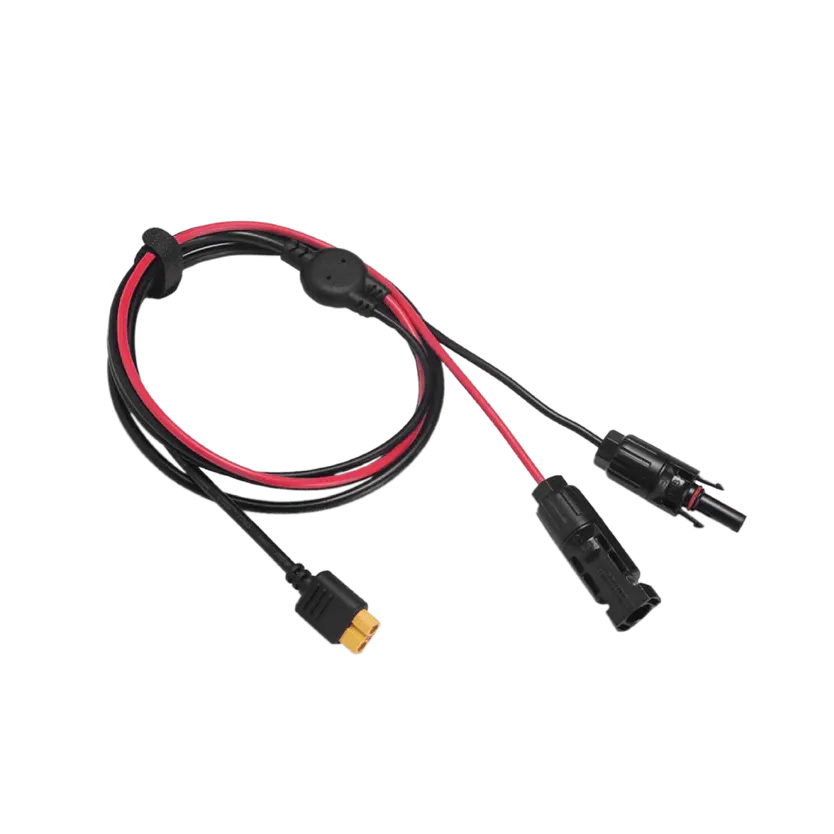
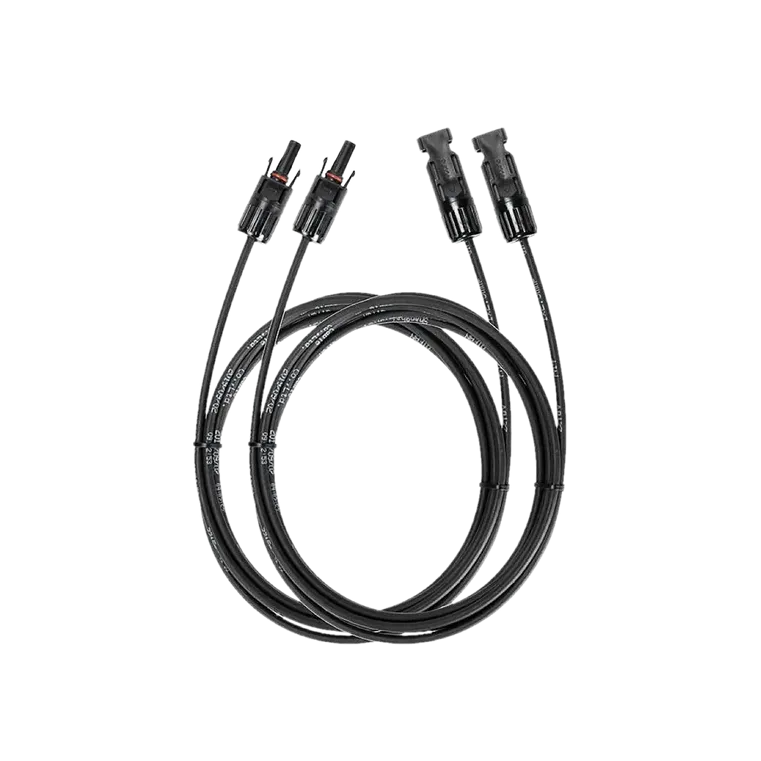
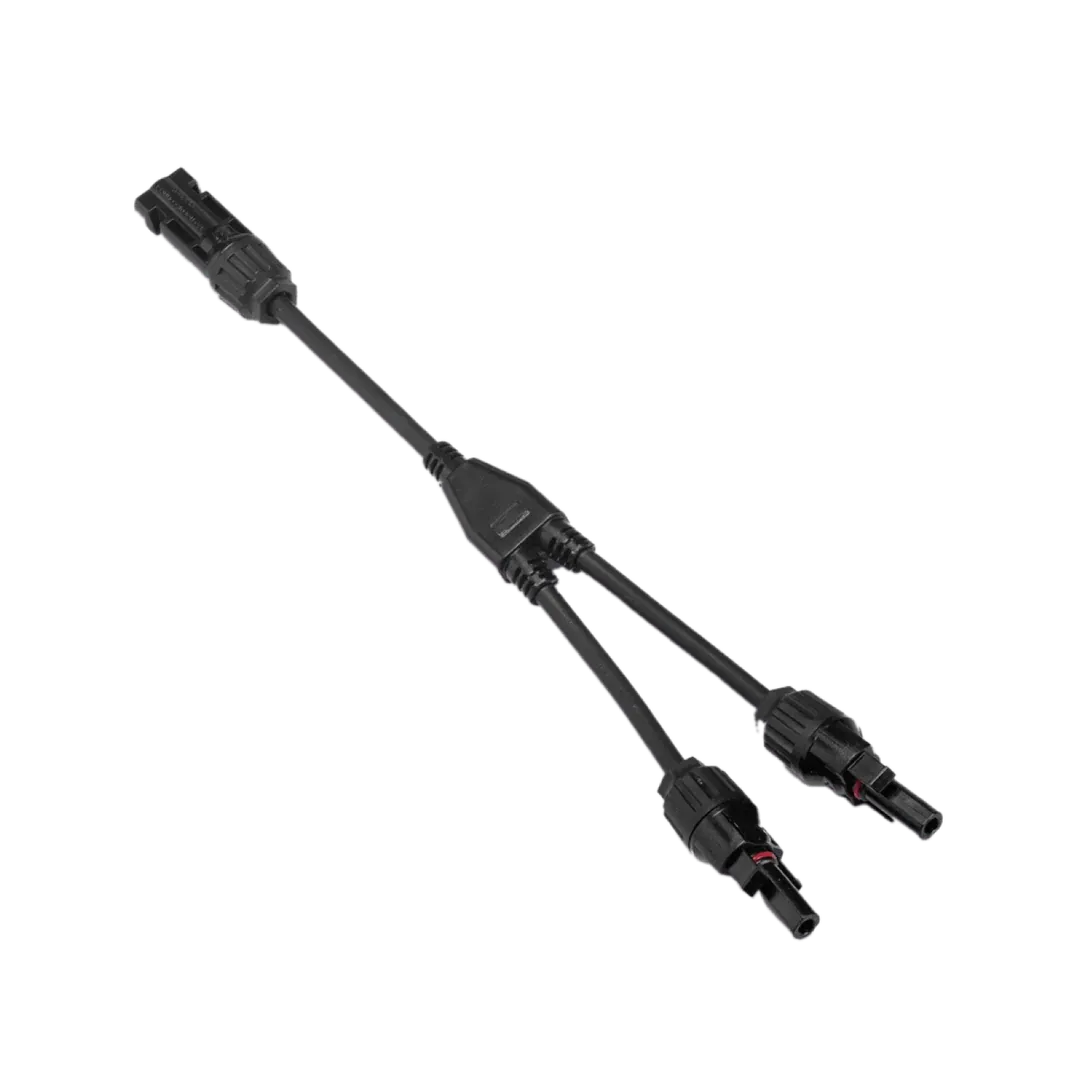
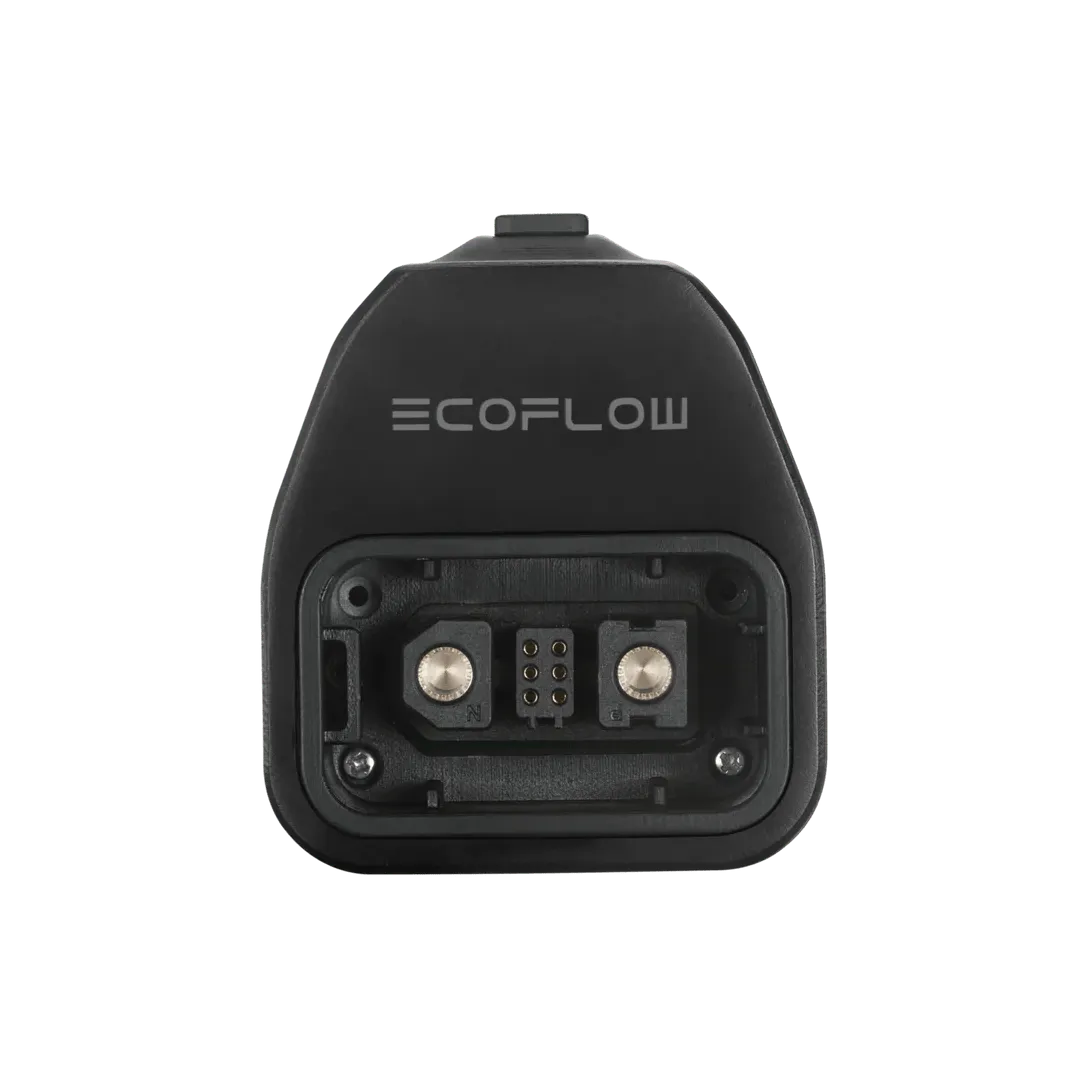
My Verdict
The EcoFlow DELTA Pro 3 is a very capable power station that's packed with features and ready to power almost any adventure on the road. If you’re considering an all‑in‑one, it's difficult to beat the DELTA Pro 3. With a 4,000W inverter, dual solar inputs (1,600W, 1,000W), a native 30A DC port, and a 4,096Wh base battery that scales to 12.2kWh, it offers a powerful alternative to a full DIY electrical system.
For those with a traditional living space, it works extremely well as a backup option and helps avoid losing a fridge full of food during an outage. When the power goes out, you can roll it inside and keep your refrigerator and other essential loads powered.
If you're looking for a more affordable option, the original Delta Pro and the new DELTA 3 Ultra Plus are both strong alternatives worth considering.
Not sure it’s the best fit? My power systems guide covers all the popular brands.