EcoFlow DELTA 3 Max Plus: Vanlife Power Station Review
Updated:
The EcoFlow DELTA 3 Max Plus is a highly capable mid-sized power station that serves as a plug-and-play alternative to a complex DIY electrical system, saving days of installation time and thousands of dollars in component costs. It offers a significant performance jump over the base DELTA 3 Max by adding a robust 3,000W inverter, expansion battery support, native 30A DC output, and more, while remaining a lighter, more space-conscious, and budget-friendly alternative to its larger siblings, the DELTA 3 Ultra Plus and DELTA Pro 3.
My opinions, not under contract. Uses affiliate links. Brands send some review items. See details
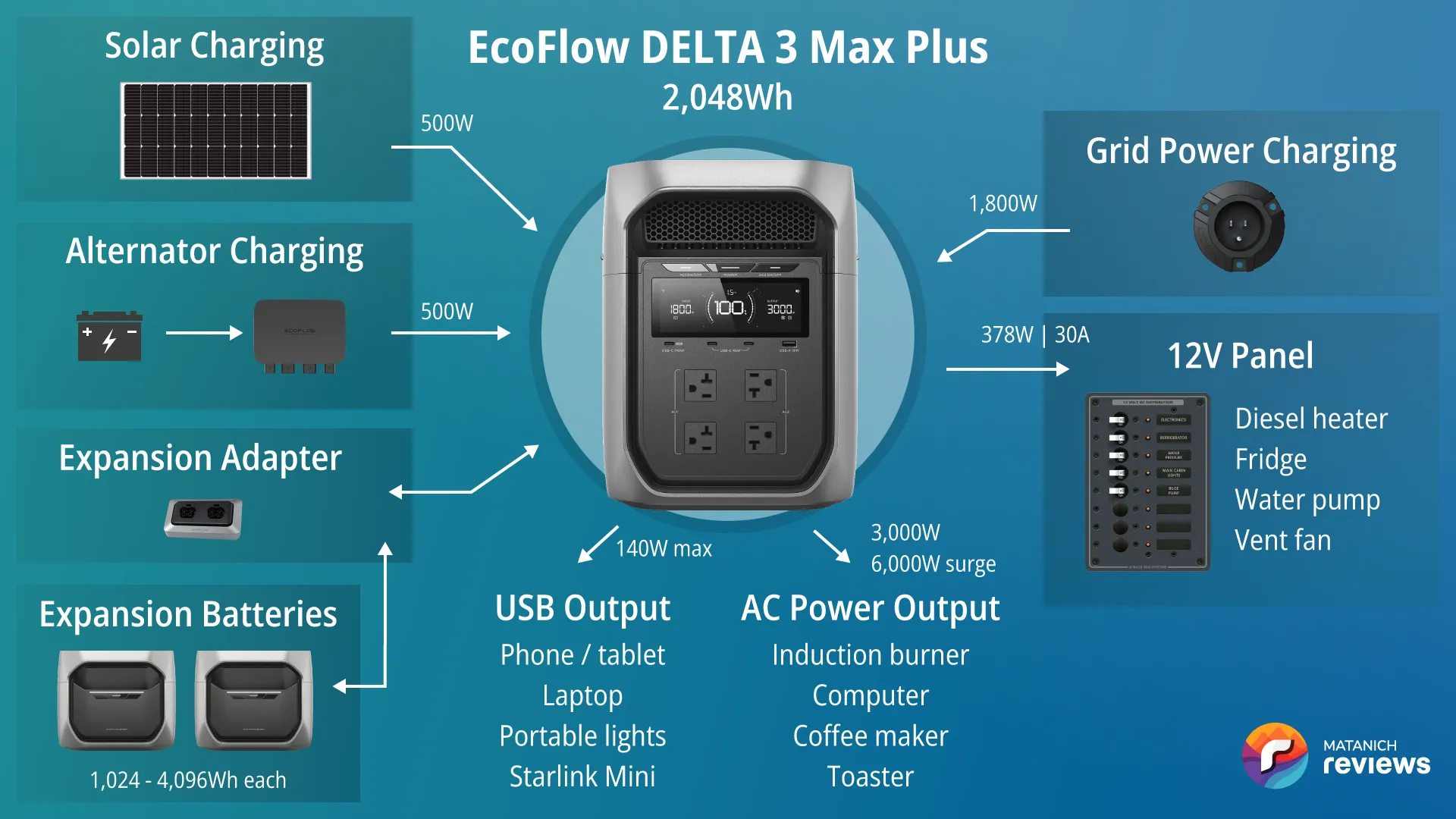
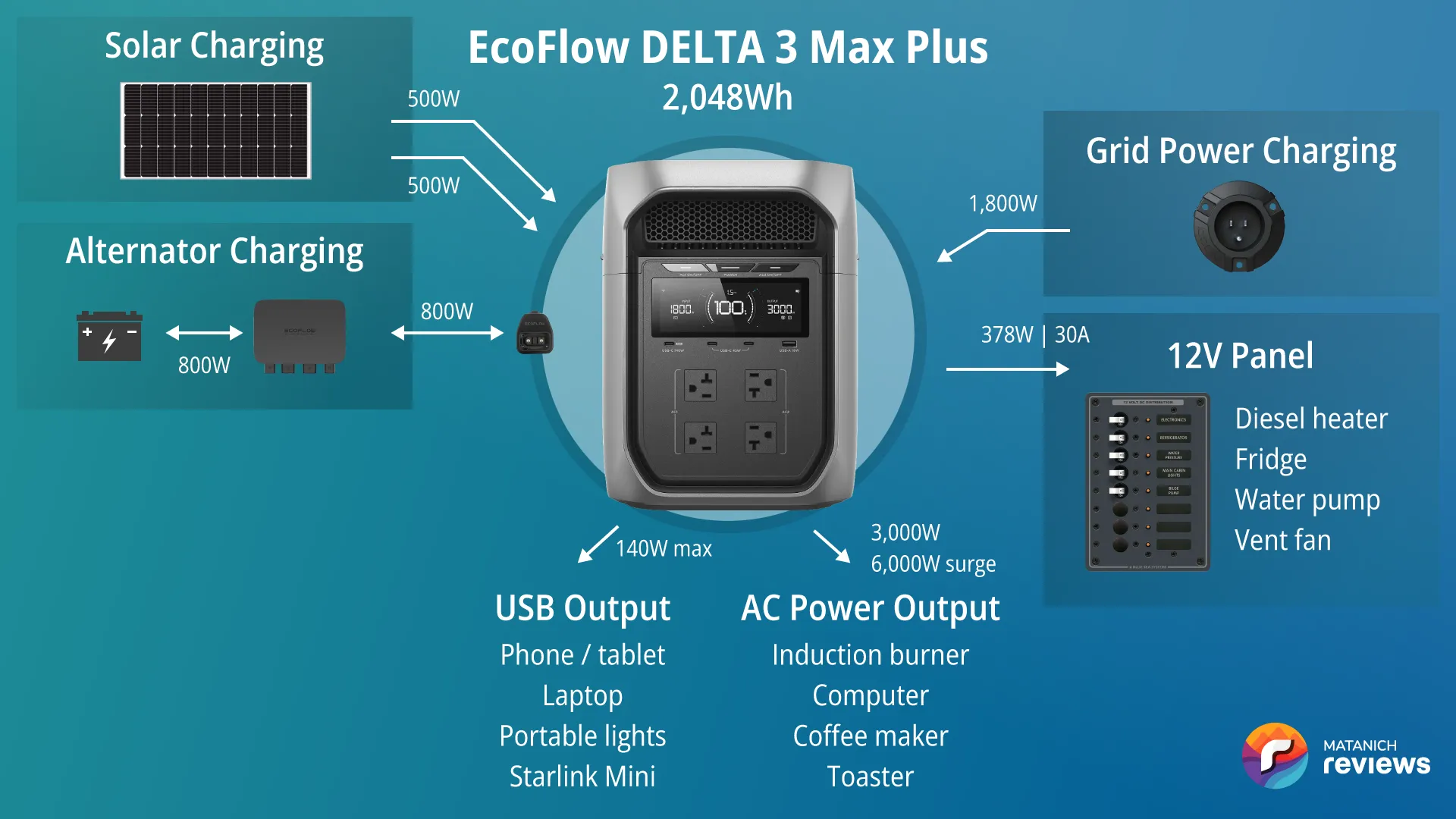
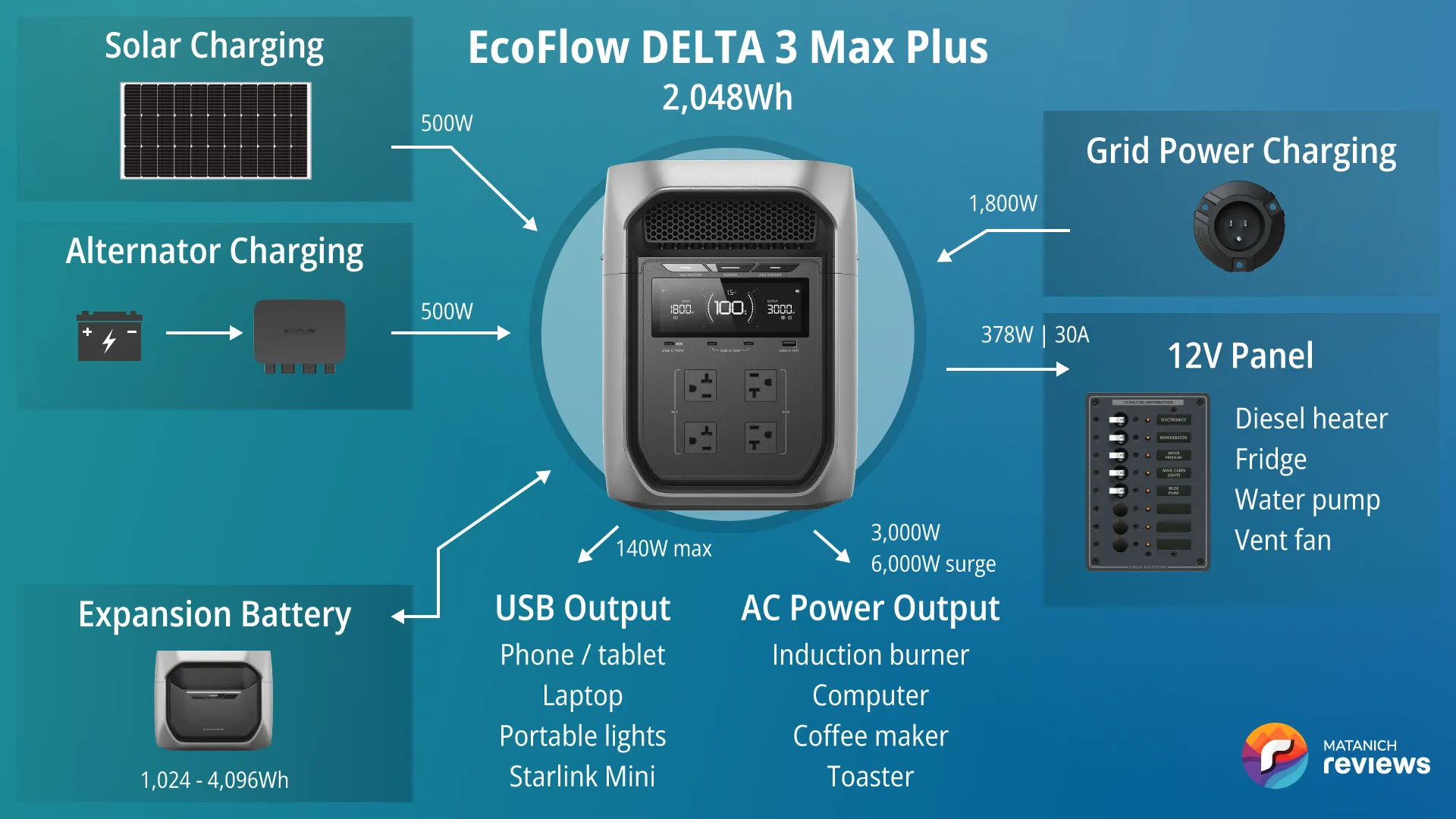
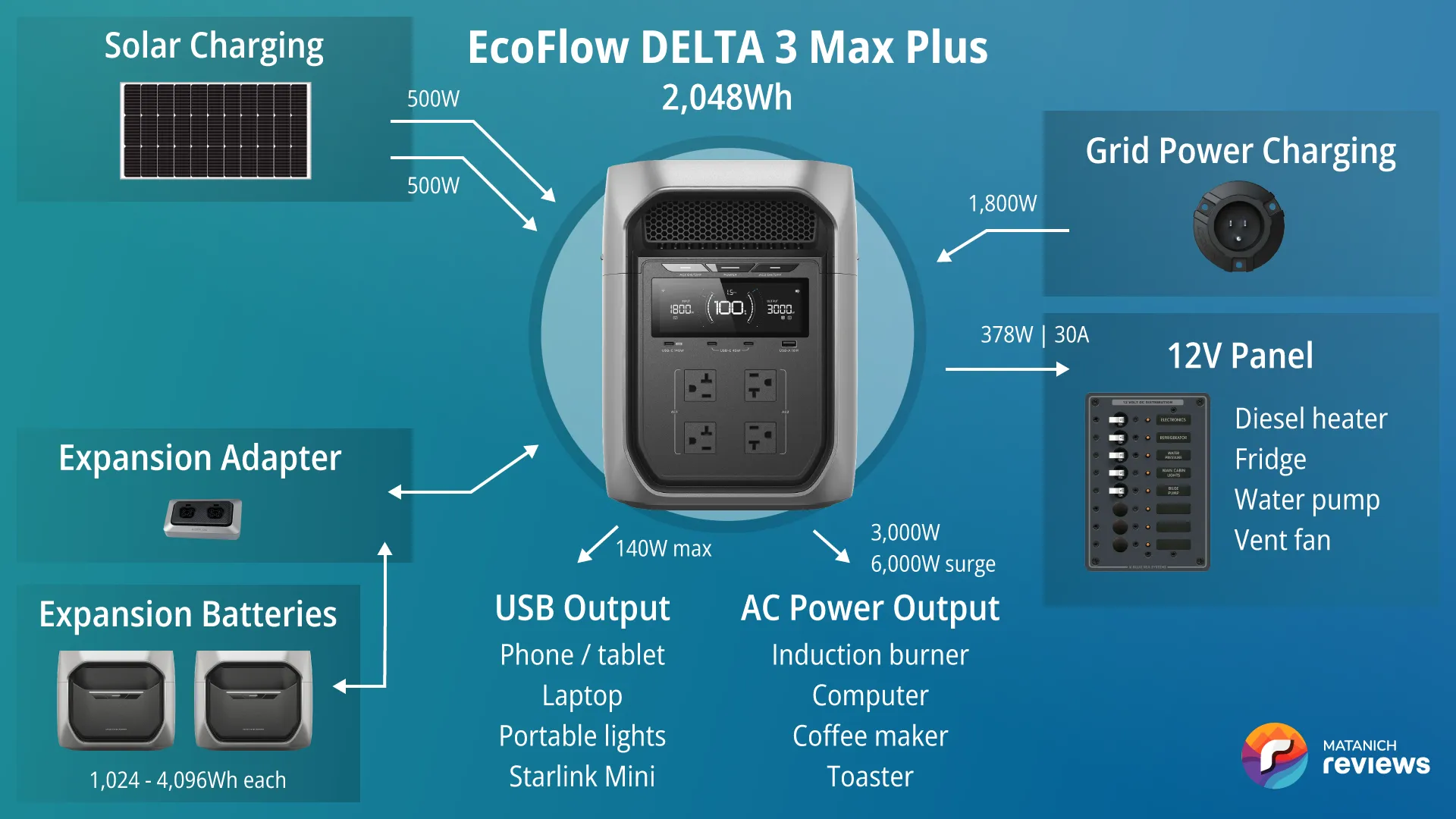
Highlights
- Great value: Packs heavy-duty specs at a much lower price point than the DELTA Pro 3 or DELTA 3 Ultra Plus.
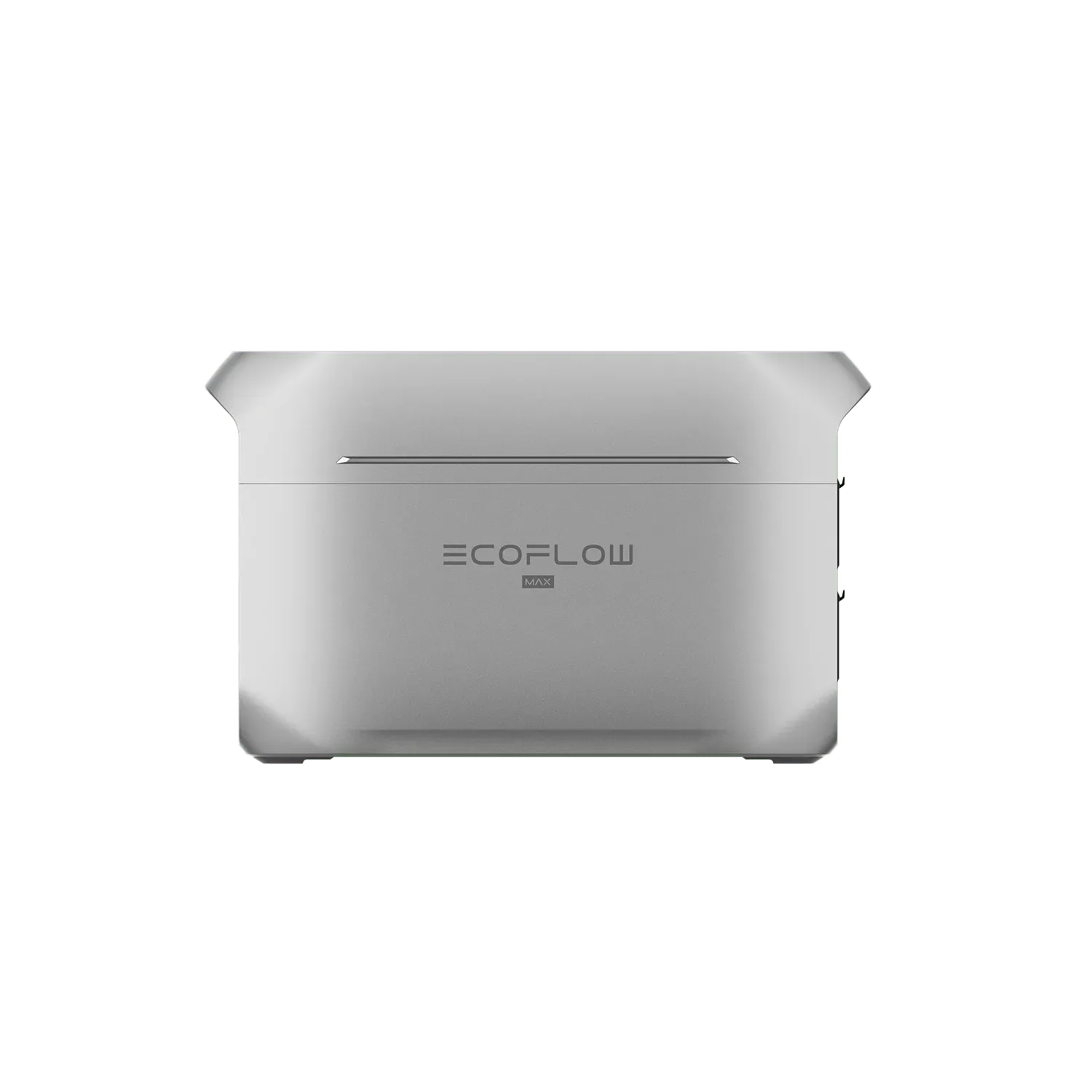
- Compact size: Weighs in at a manageable sub-50 lbs (22.1 kg) with handles on both sides, making it easy to slide under a bench or bed platform.
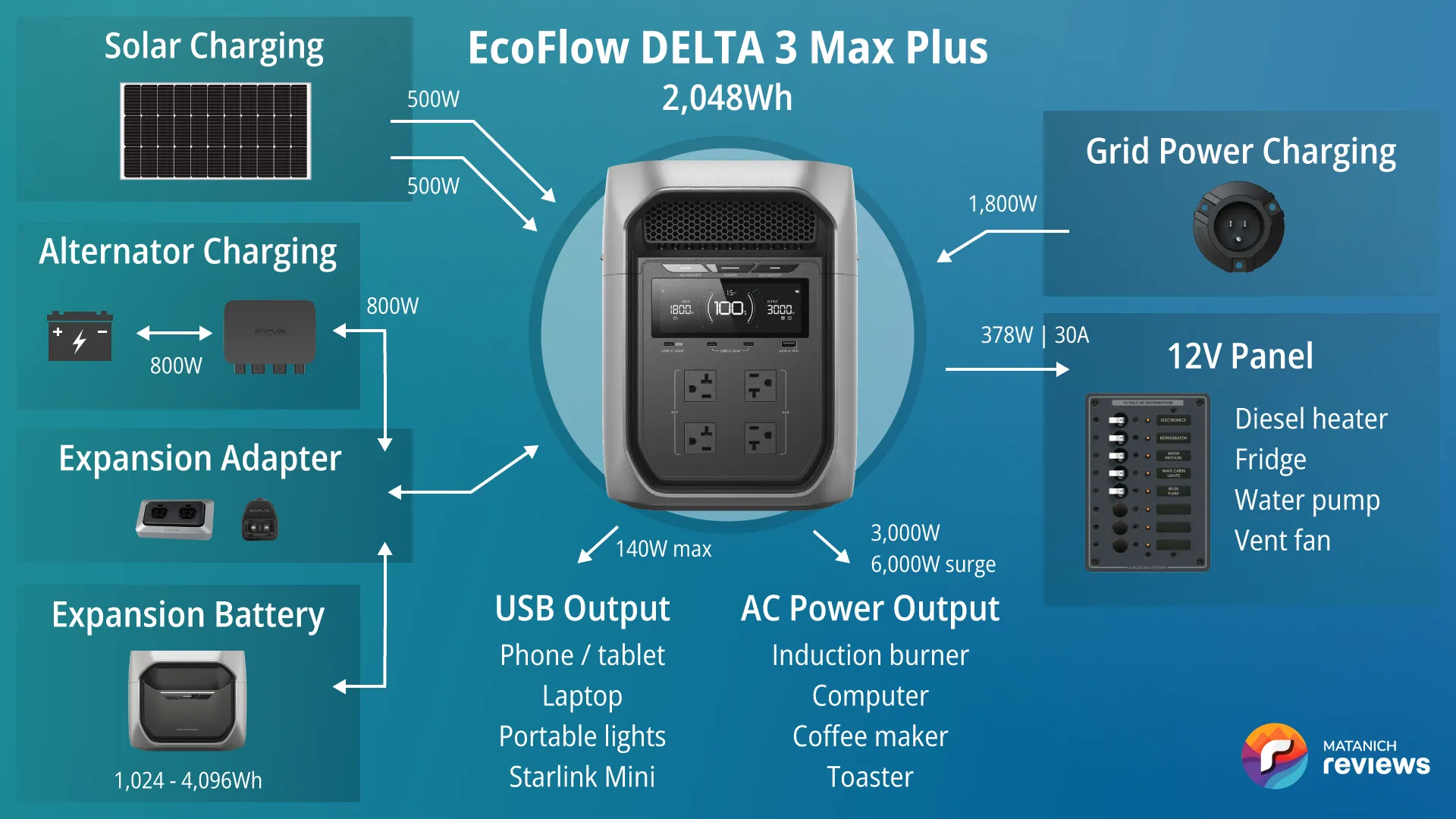
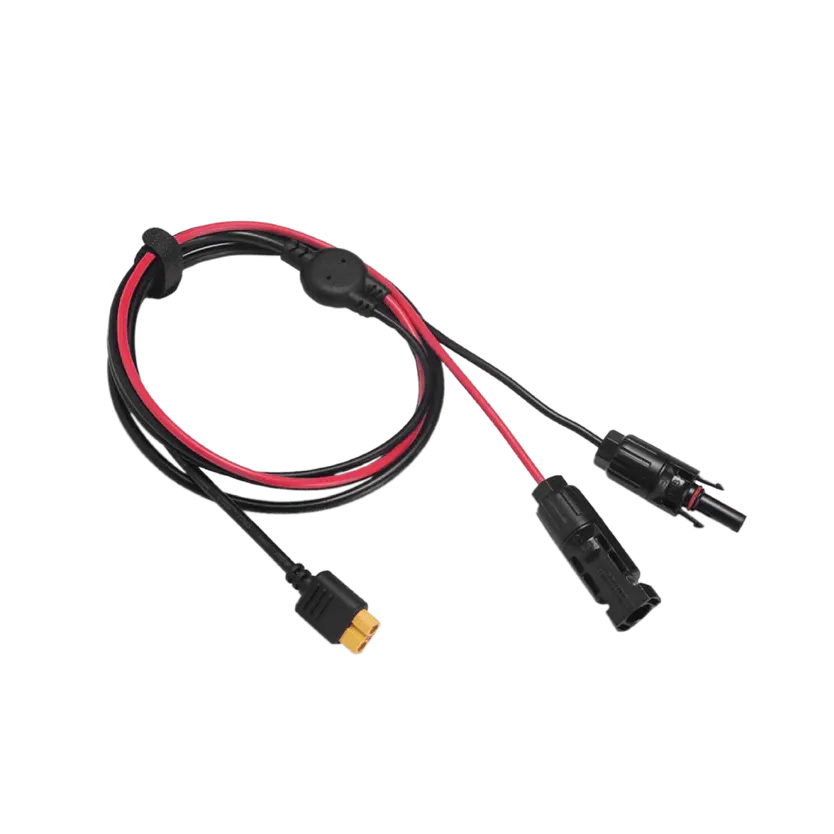
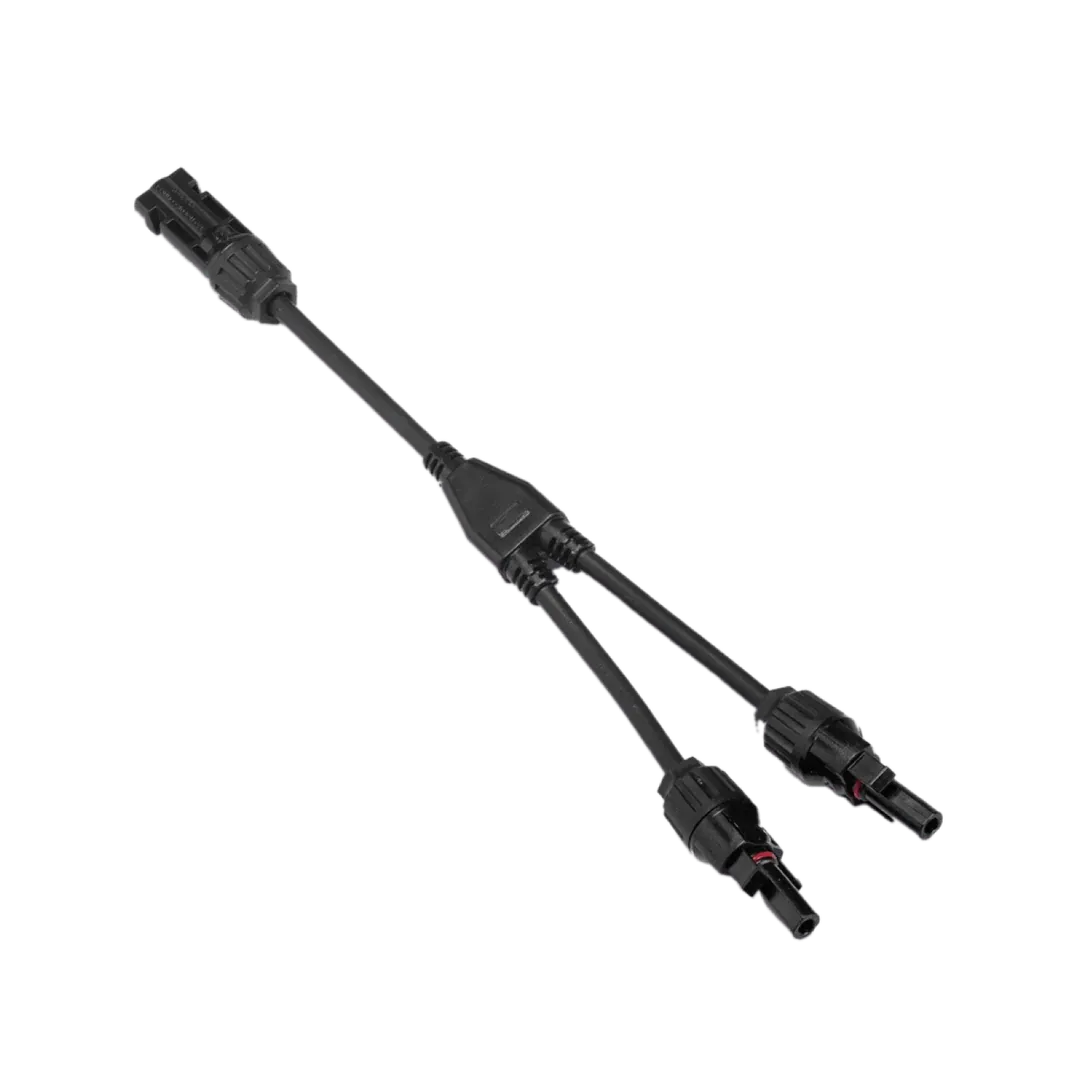
- Dual solar input ports: Features two independent solar inputs (500W each / 1,000W max total). This provides the flexibility to support mismatched solar panels/arrays, deploy ground panels alongside a fixed roof array, or hook up a third-party alternator charger.
- High AC output: Provides a robust 3,000W total continuous output (with a 6,000W surge capacity), easily running heavy loads like induction cooktops, water heaters, or microwaves.
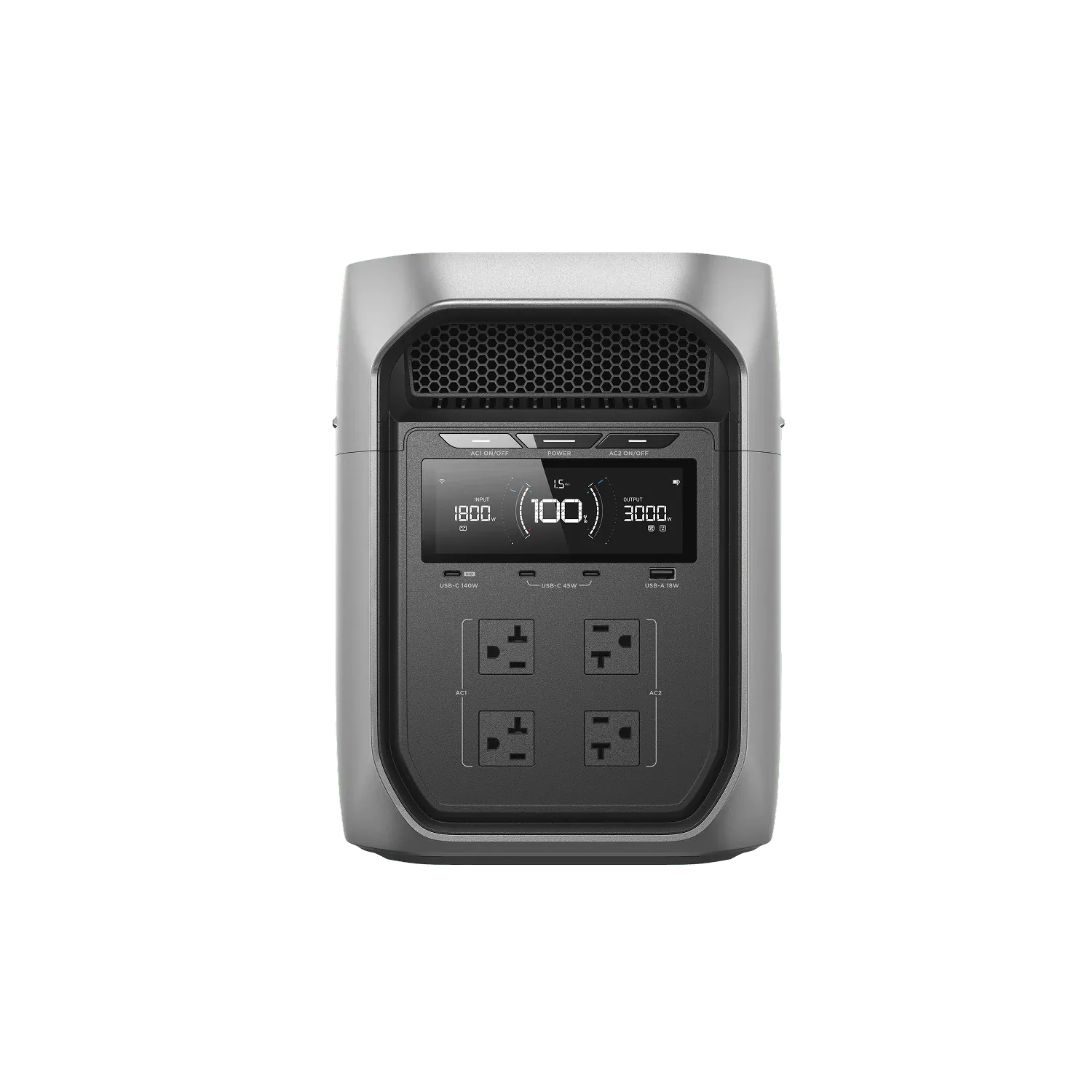
- Independently switched AC groups: The four front-facing AC outlets are split into two groups that can be toggled on or off independently. This gives you granular control over what's running directly via the front buttons or the EcoFlow app. You can even use the app's Smart Output Priority to automatically shed non-essential loads (like chargers) while keeping critical circuits running when the battery gets low.
- Dedicated 30A DC output: Delivers a native 12.6V⎓30A (378W max) via an Anderson Powerpole port to easily run a diesel heater and full 12V fuse block. This is EcoFlow’s smallest power station with a high-amp 12V output, moving past typical 10A cigarette socket limits.
- Expandable capacity: Scalable from its native 2,048Wh capacity up to an impressive 10kWh by adding EcoFlow expansion batteries.
- Upgraded USB-C ports: Outfitted with 4x front-facing USB ports, including a high-output 140W USB-C PD port alongside two 45W USB-C ports and an 18W USB-A port.
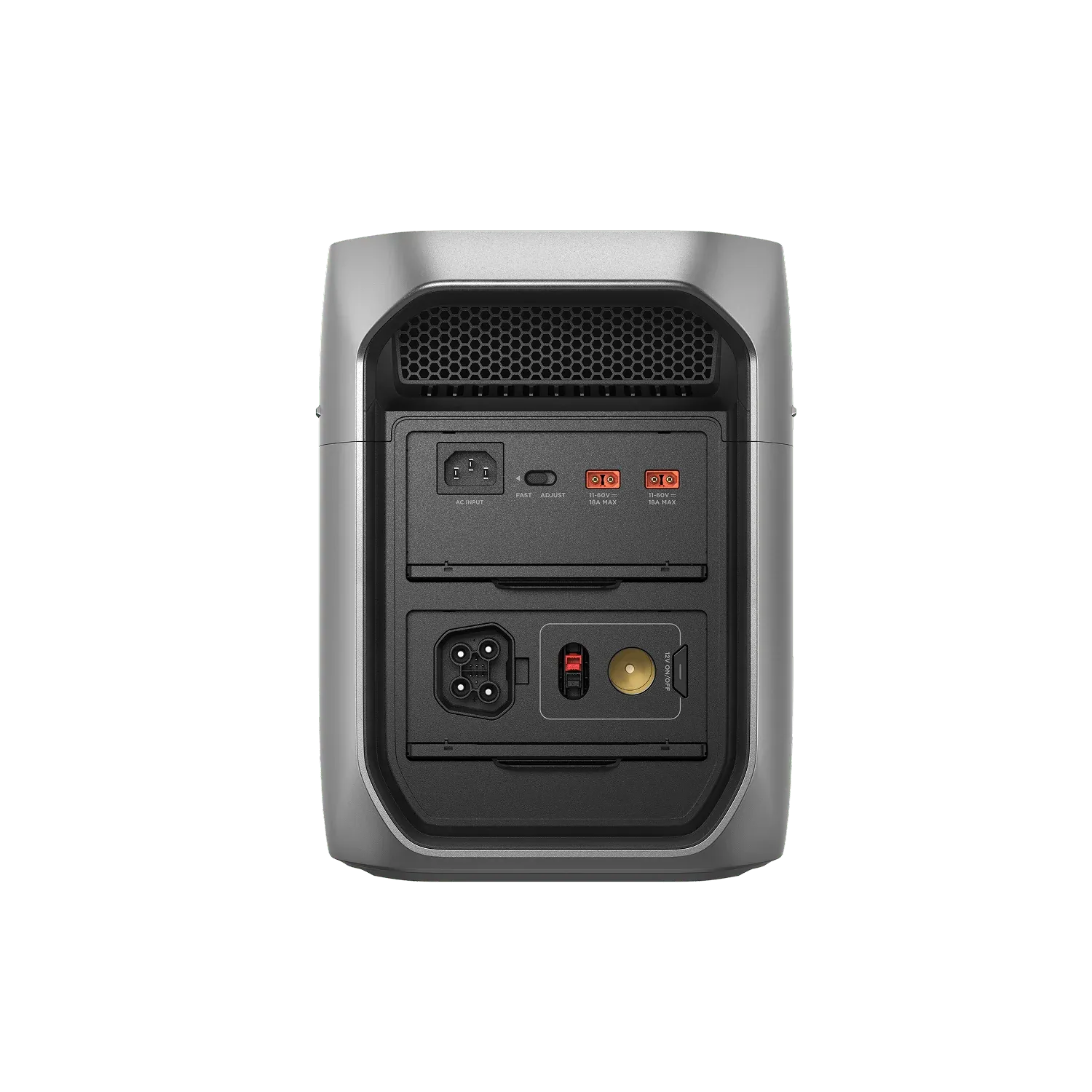
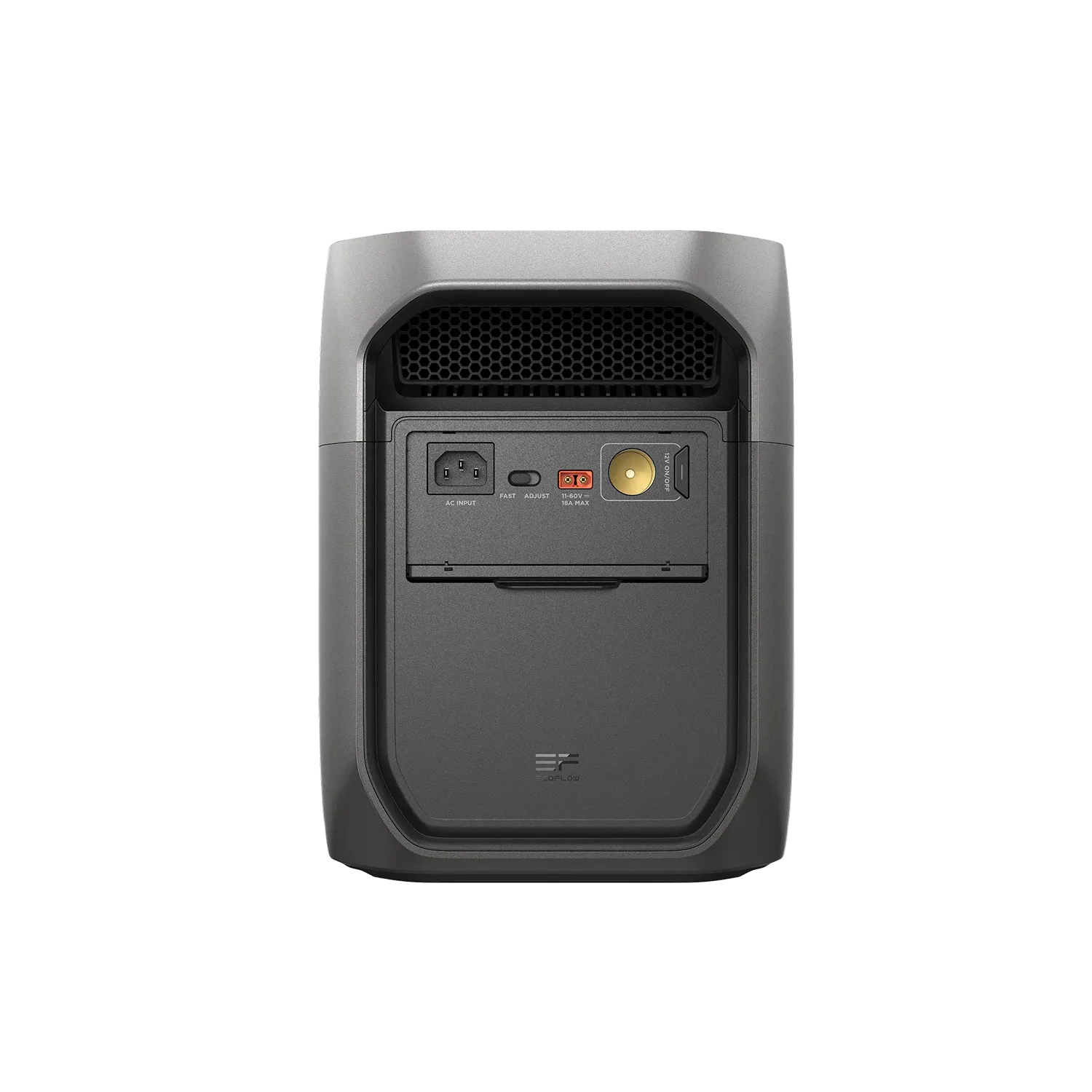
- Strategic port layout: Main AC outlets and USB ports are on the front, while solar, battery expansion, and DC connections sit cleanly on the back. The rear ports feature ingenious hinged covers that slide inside the housing when open, keeping your setup tidy.
- Grid bypass mode: Routes AC shore power directly to your electronics. By skipping the internal battery, it prevents unnecessary wear while you are plugged in.
- Desktop-grade UPS performance: Ultra-fast sub-10ms automatic switching speed to keep sensitive electronics or mobile work setups from shutting down when connected to the grid, with USB HID support for shutdown signaling.
- Quiet operation: The redesigned thermal system runs at around 25dB under normal loads. In a tight camper van where you sleep close to your gear, the silent fans are a huge upgrade over older, louder models.
Considerations
- Low solar voltage limit: Restricted to 11-60V⎓18A per port. It's essential to plan out your solar array's open-circuit voltage, as multi-panel series strings can easily exceed the 60V ceiling. Keep in mind that cold weather increases voltage, which can push a borderline setup over the edge into an over-voltage shutdown or even damage the unit.
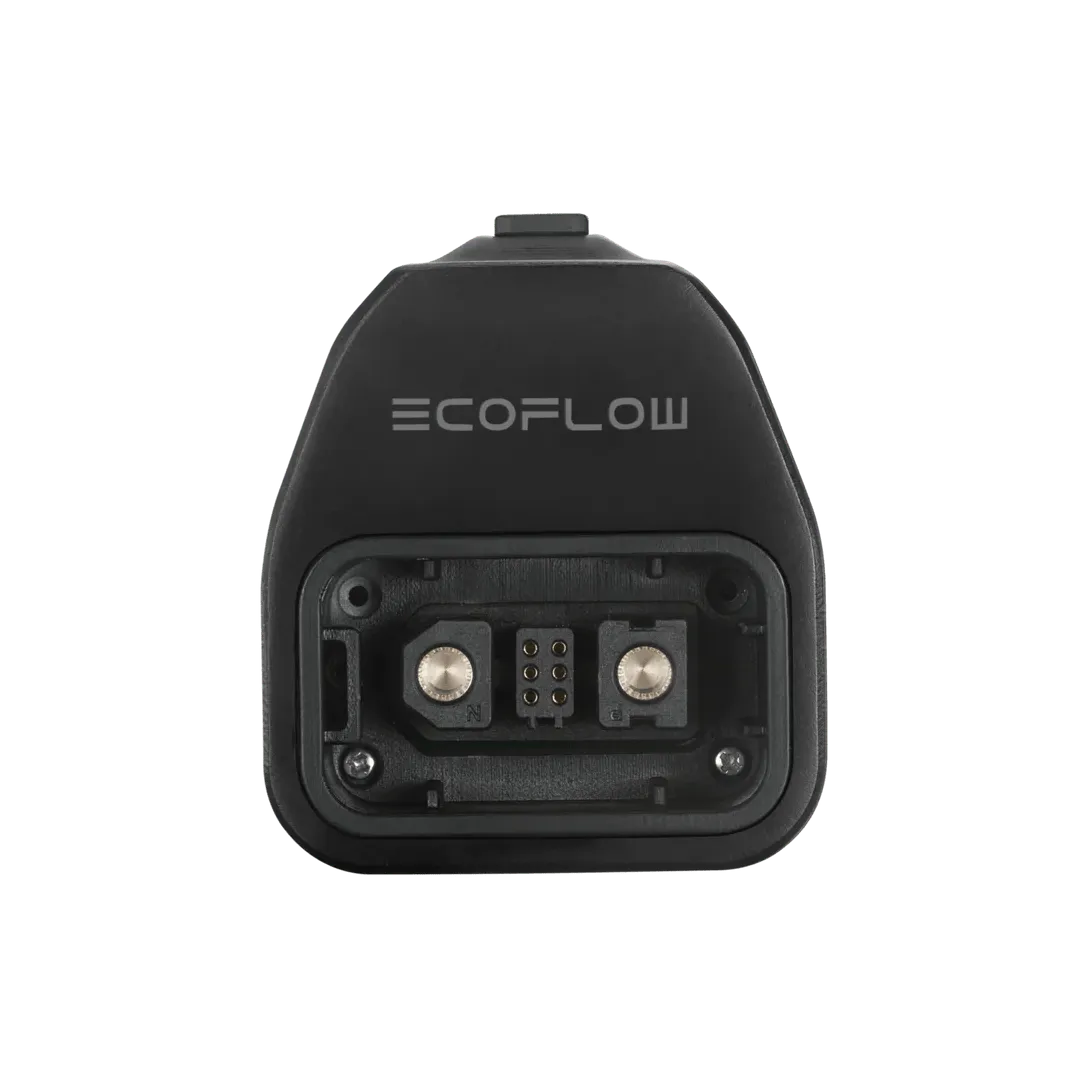
- Shared expansion port constraint: The rear expansion port is shared between extra batteries and the EcoFlow Alternator Charger. To use an expansion battery and charge from your vehicle simultaneously, you must purchase the Extra Battery Expansion Adapter. Otherwise, you are forced to use a basic XT60 cable, which slows down charging speeds and disables reverse-charging features.
- Shared DC output limits: The high-output 30A Anderson port shares its overall power pool with the cigarette lighter and USB ports, meaning they cannot all be maxed out simultaneously.
- Rear-facing DC button: Placing this button on the back makes physical access difficult for some installs, leaving you dependent on the app to toggle DC power.
- No control screen accessory: The lack of an external display accessory is a drawback for built-in setups, whereas the premium DELTA Pro series supports a dedicated control display. While a phone app is great for changing settings, it cannot replace the convenience of physical buttons and glanceable power info when your hands are full or the unit is tucked away out of sight.
- Cold weather use: Like most power stations, it doesn't include internal self‑heating, so use can be restricted if internal temperatures drop below 32°F.
- No EV station charging: Unlike the DELTA Pro series, this model lacks the accessory to recharge at public EV stations. If heavy cloud cover or alternator charging issues leave you stranded with low capacity, you lose a quick, reliable way to rescue your trip.
Detailed Comparison
A side‑by‑side comparison with the most similar EcoFlow alternatives to the DELTA 3 Max Plus:
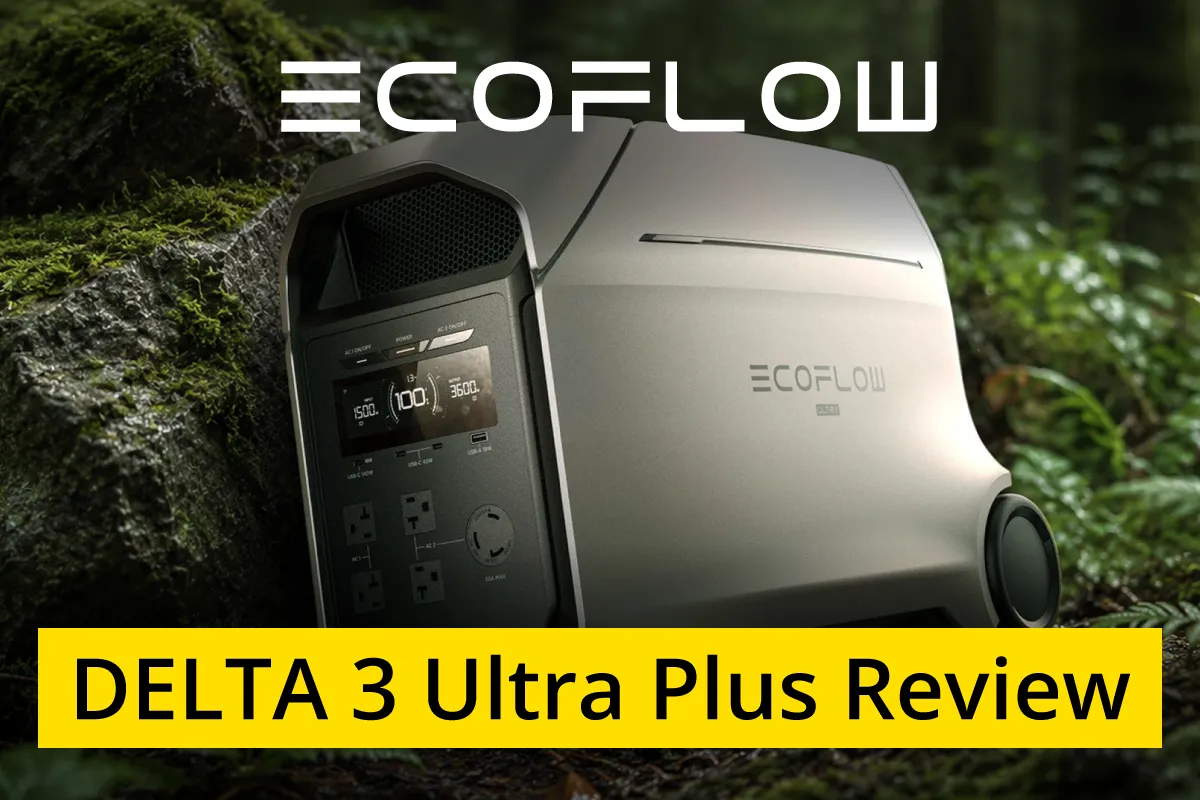
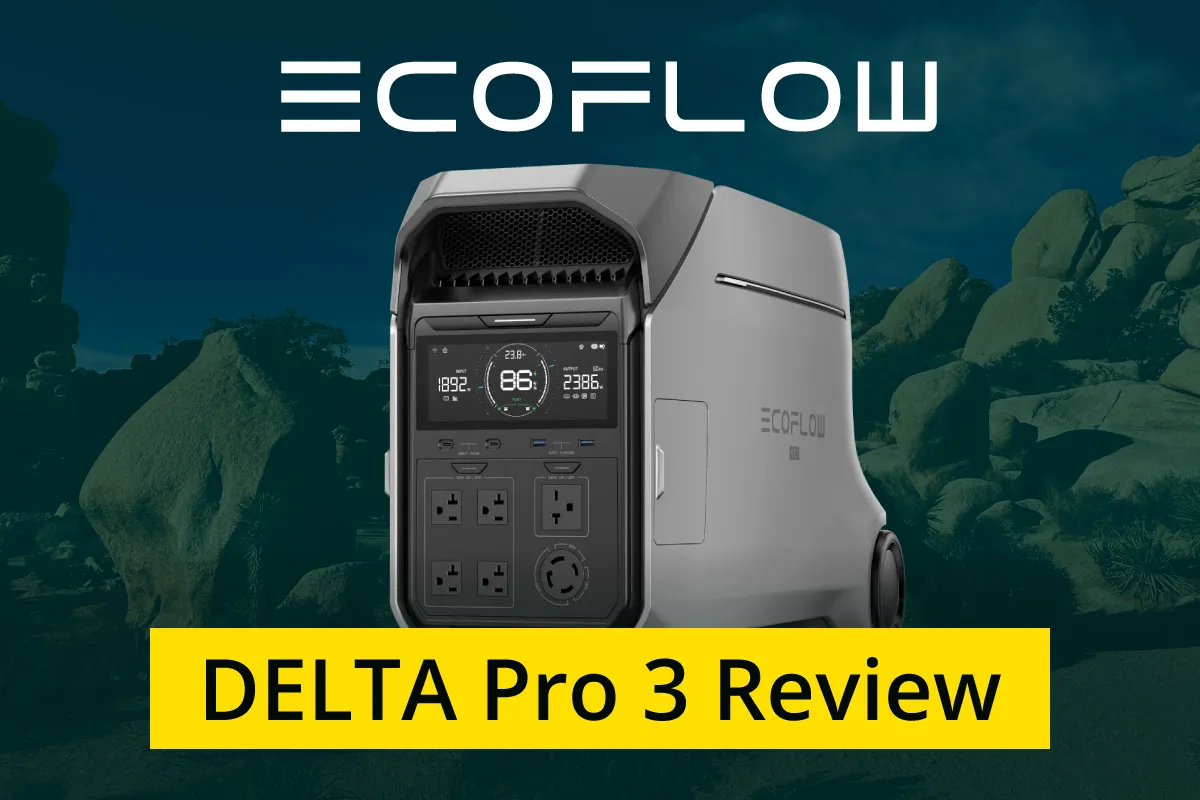
| Model | DELTA 3 Max Plus | DELTA 3 Max | DELTA 3 Ultra Plus | DELTA Pro 3 |
|---|---|---|---|---|
| AKA | D3M+ | D3M | D3U+ | DP3 |
| Photo | 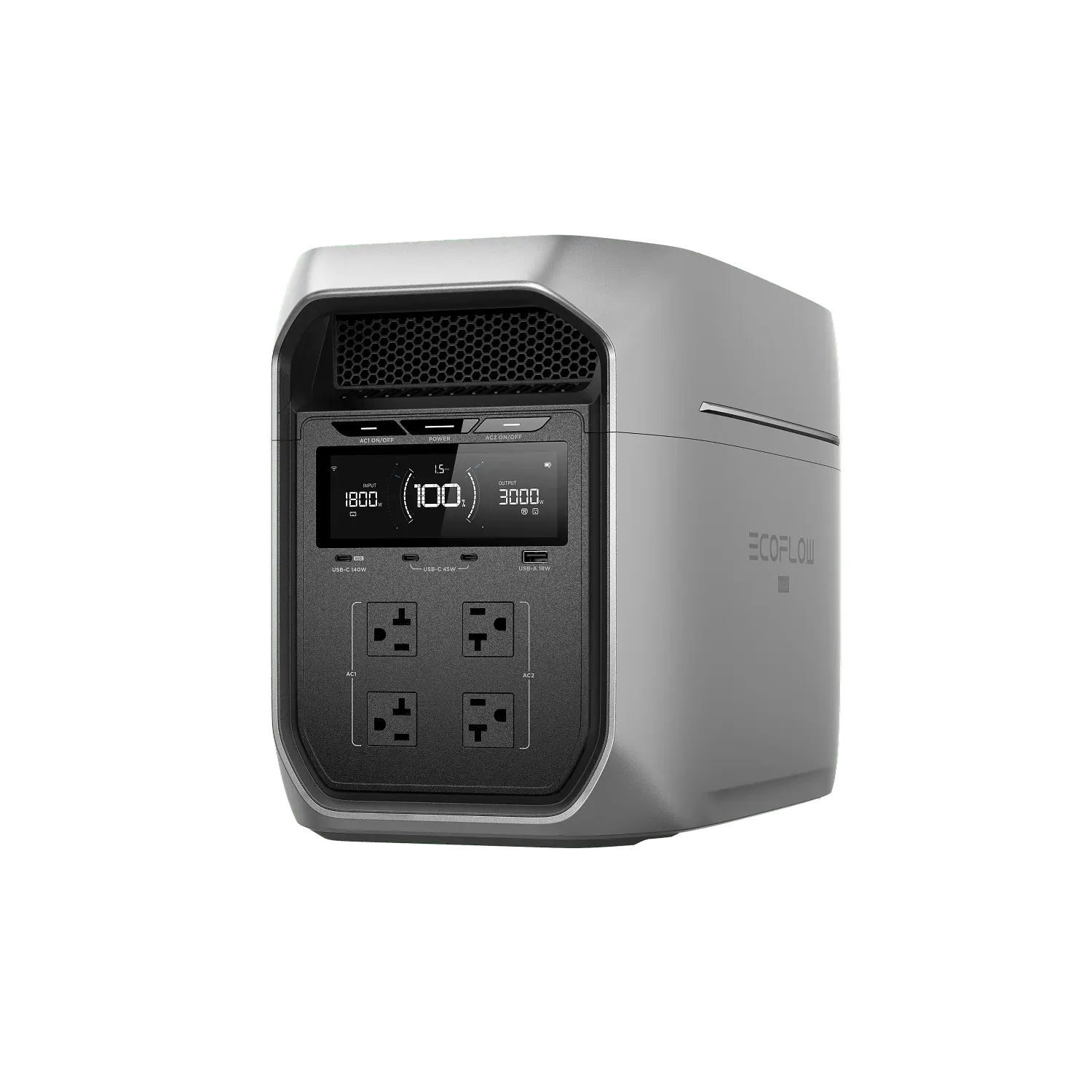 | 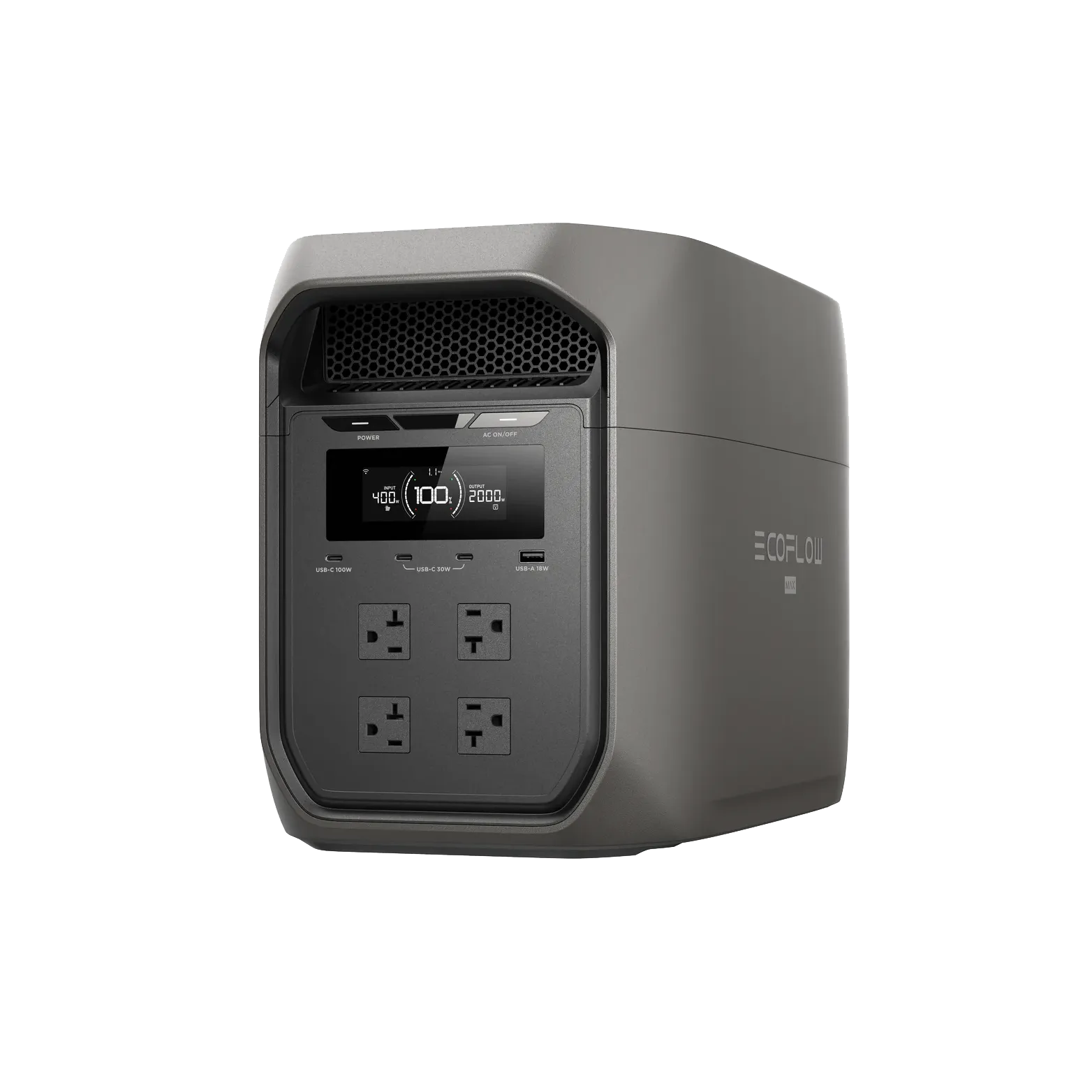 | 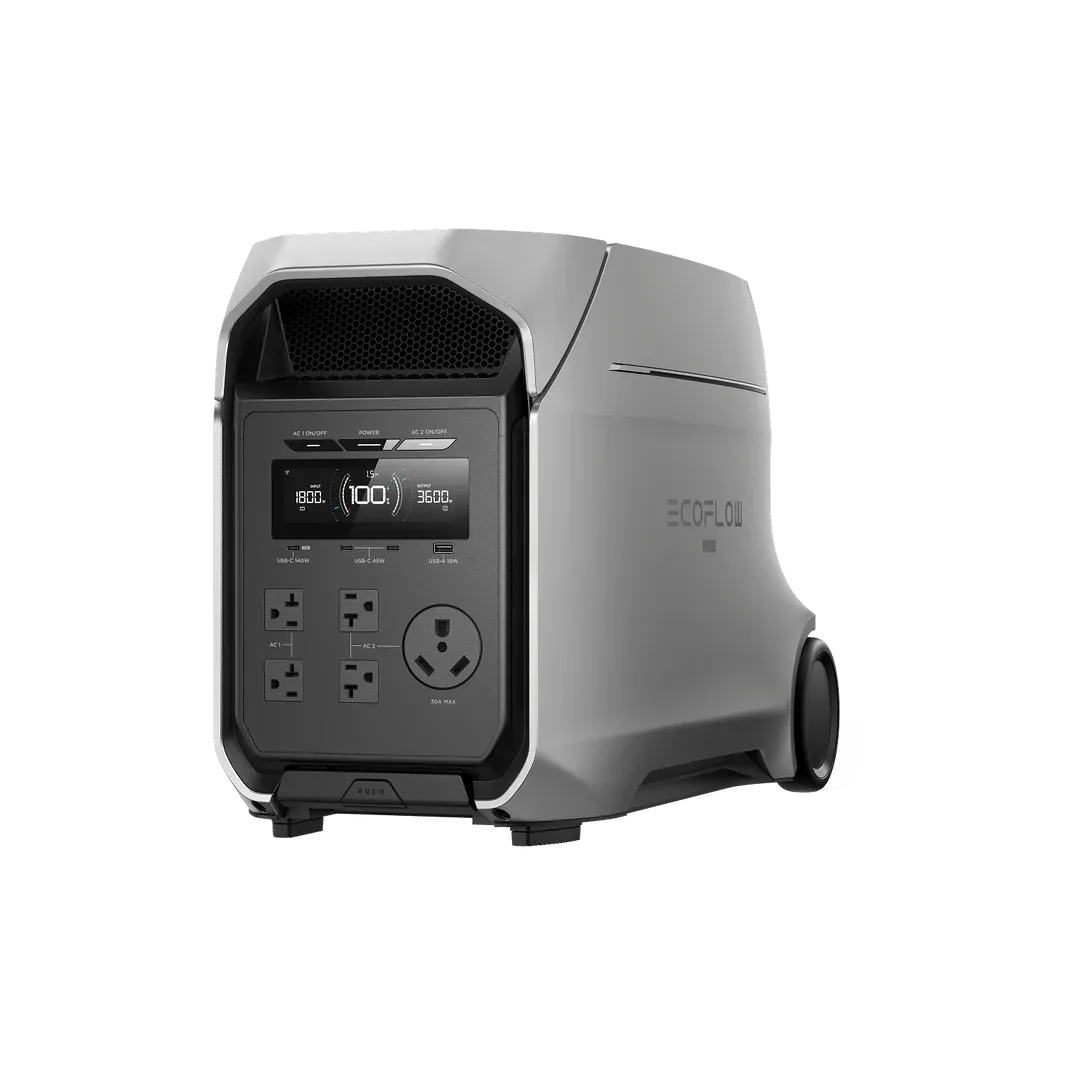 | 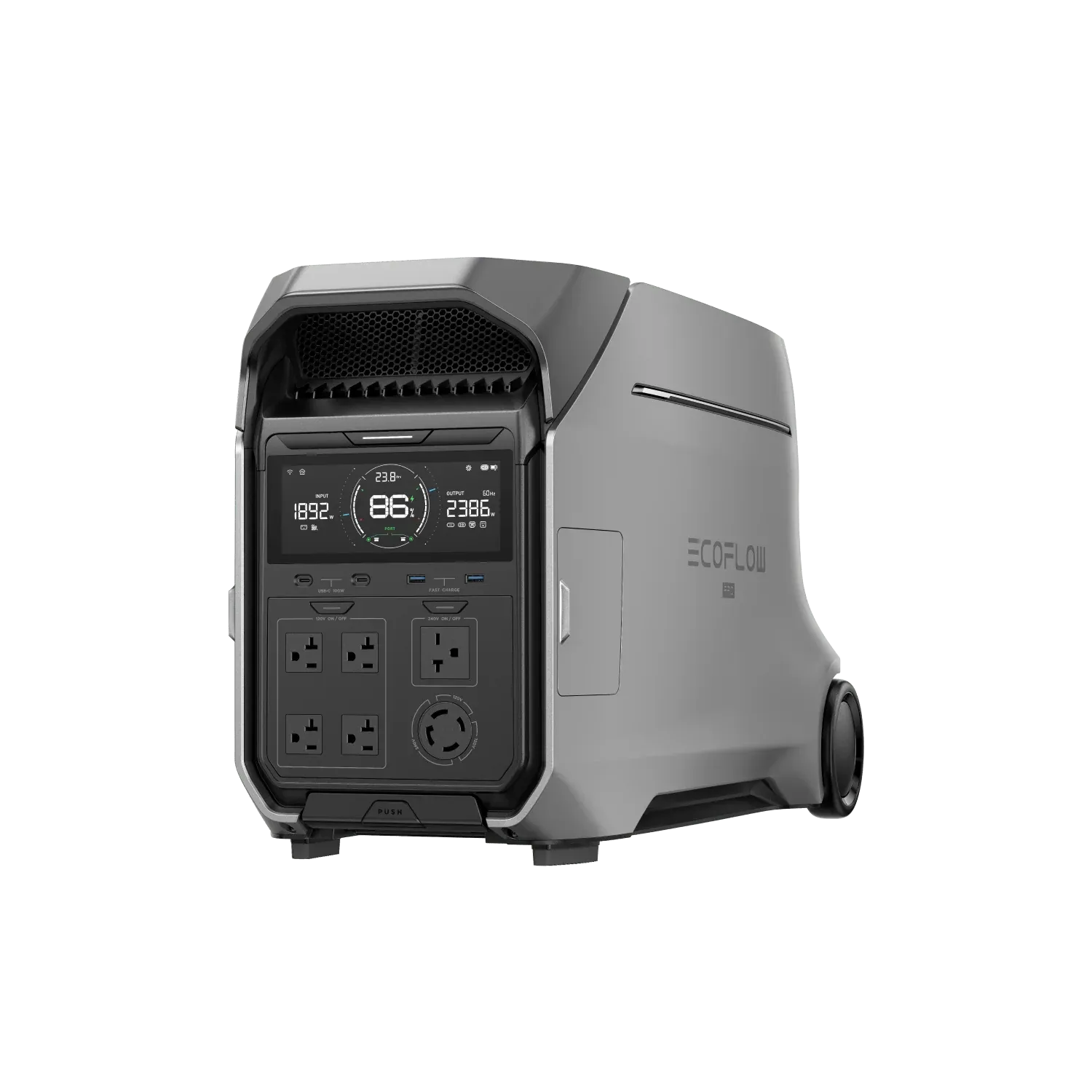 |
| Links | ||||
| Price | $1,099 | $799 | $1,499 | $2,599 |
| Capacity | 2,048Wh | 2,048Wh | 3,072Wh | 4,096Wh |
| Extra battery | 2x 1 | -- | 2x 1 | 2x |
| AC output | 3,000W total 6,000W surge | 2,400W total 4,800W surge | 3,600W total 7,200W surge | 4,000W total 8,000W surge |
| AC ports | x4 (20A each) | x4 (20A each) | ×4 (20A each) x1 (30A) | ×4 (20A each) x1 (30A) x1 (120/240V~16.7A) x1 (240V~16.7A) |
| DC output | 12.6V⎓30A, 378W | 12.6V⎓10A, 126W | 12.6V⎓30A, 378W | 12.6V⎓30A, 378W |
| Anderson | 30A, 378W | -- | 30A, 378W | 30A, 378W |
| Cigarette port 2 | 12.6V⎓10A, 126W | 12.6V⎓10A, 126W | 12.6V⎓10A, 126W | -- |
| Solar input 1 | 11-60V⎓18A 500W | 11-60V⎓18A 500W | 11-60V⎓18A 800W | 30-150V⎓15A 1,600W |
| Solar input 2 | 11V-60V⎓18A 500W | -- | 11-60V⎓18A 800W | 11V-60V⎓20A 1,000W |
| Alternator input | 100-1,000W | 100-500W | 100-1,000W | 100-2,000W |
| AC input | 15A 1,800W | 15A 1,800W | 15A 1,800W | 15A 1,800W |
| USB A | 1x | 1x | 1x | 2x |
| USB C | 3x | 3x | 3x | 2x |
| Size (in) | 19.4 × 9.5 × 12 | 19.4 × 9.4 × 12 | 24.1 × 12.9 × 15.6 | 27.3 × 16.2 × 13.4 |
| Size (mm) | 494 × 242 × 305 | 494 × 239 × 305 | 613.1 × 327.7 × 395 | 693 × 410.4 × 341 |
| Weight (lbs) | 48.7 | 44.8 | 74.3 | 113.5 |
1. Using the EcoFlow Extra Battery Expansion Adapter. 2. DC output of cigarette port is included in the total overall DC output, not an independent value.
Full Specifications
DELTA 3 Max Series Comparison
EcoFlow DELTA 3 Max Plus vs. DELTA 3 Max (base): Which is Right for You?
Both units share the exact same 2,048Wh base capacity, but the DELTA 3 Max (Non-Plus) is a streamlined version that cuts out several advanced features to offer a much lower price point. If you are trying to decide whether to save a few hundred dollars on the base model, here is what you give up:
- Smaller inverter: The base model drops down to a 2,400W continuous output (4,800W surge) compared to the Plus model's larger 3,000W continuous output (6,000W surge).
- Single solar input port: The base DELTA 3 Max cuts your solar capability in half. It only offers a single 500W solar port, whereas the Plus model gives you dual independent 500W ports (1,000W total).
- No expansion battery port: The base DELTA 3 Max lacks an expansion battery port. Its capacity is capped at 2,048Wh, whereas the Plus can expand up to 10kWh and support advanced EcoFlow alternator charger features.
- No high-amp DC output: The base model completely lacks the 30A Anderson port. You are limited to a standard 10A cigarette lighter socket, making it much harder to run heavy 12V van components like a diesel heater or fuse block.
- Lower speed USB-C: While both models have the same number of physical USB ports, the base unit replaces the high-speed 140W USB-C port with a 100W port and drops the two auxiliary USB-C ports from 45W down to 30W.
- Alternator charging limits: The base DELTA 3 Max caps alternator input at 500W (vs. 1,000W on the Plus), and because it lacks a dedicated expansion/alternator port, using an alternator charger consumes the only rear DC input port. This prevents you from using solar at the same time and forces you to choose one charging source while driving.
- No independently switched AC groups: The base model treats all of its AC outlets as a single group, turning them all on or off together. The Plus model splits its outlets into two independently controlled zones (AC1 and AC2). Coupled with the app's Smart Output Priority, Plus users can automatically drop non-essential loads (like lights) while keeping critical appliances (like a medical device) running smoothly when the battery drops below a preset threshold.
- No UPS HID signaling: The base model lacks HID‑compatible UPS signaling, so it cannot send safe‑shutdown commands to computers or other devices during outages or low‑battery events.
- No smart generator integration: The base unit lacks the EcoFlow generator start and stop features and cannot accept the high speed 2,600W generator input that lets the Plus model charge to 80% in just 43 minutes.
The base DELTA 3 Max is an incredible budget friendly alternative if you don’t need a permanent, expandable van electrical system. If you just need a standalone power station to run basic appliances like a portable fridge and laptop during weekend camping trips or home blackouts, saving money on the base model can be a great option for some people.
Accessories
DC Fuse Panel
Allows you to safely connect DC appliances to your power station (fridge, heater, lights, etc.).
Alternator Chargers
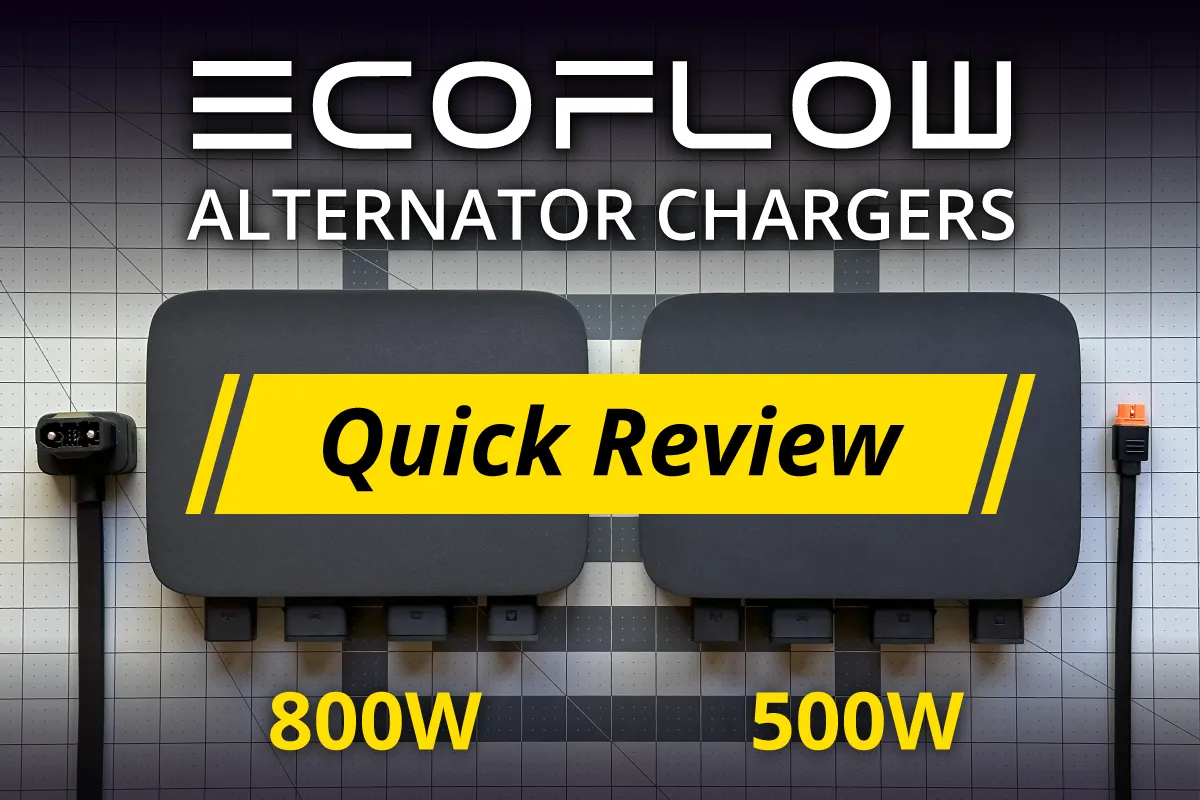
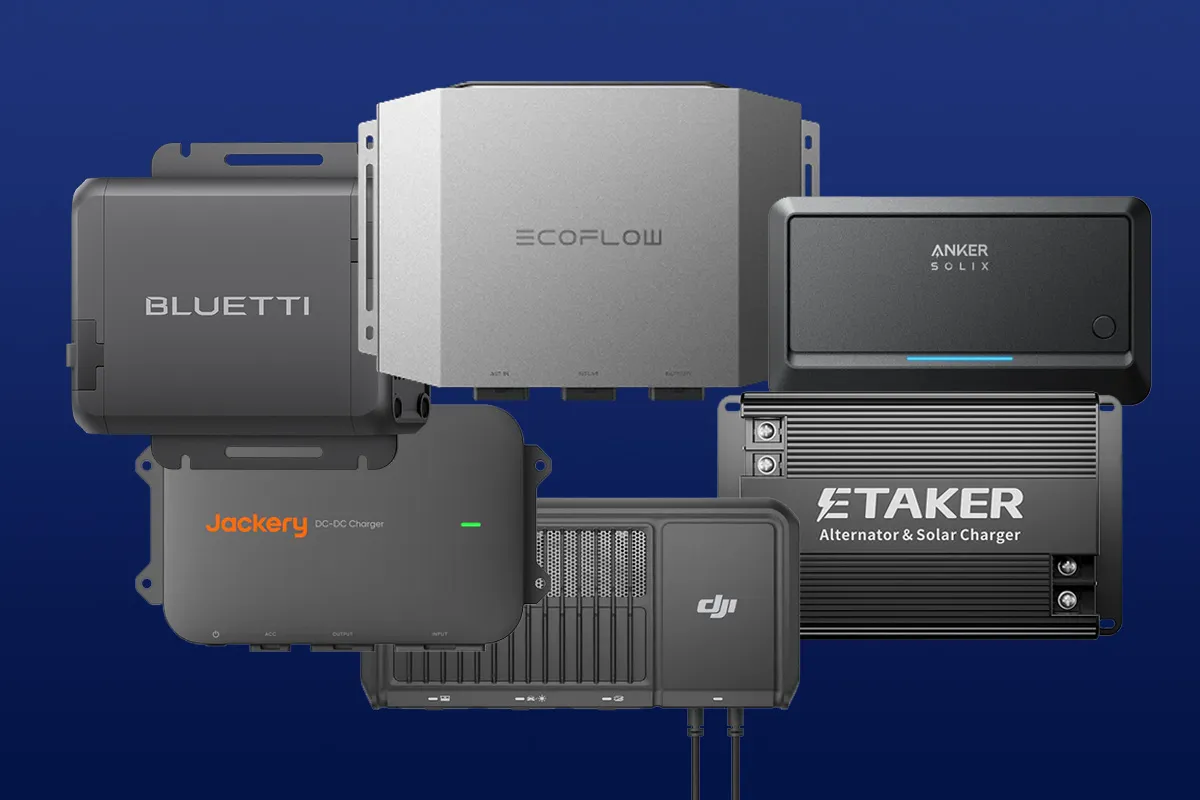
More reliable than solar, these units pull power from your vehicle to quickly charge your power station as you drive.
Solar Panels
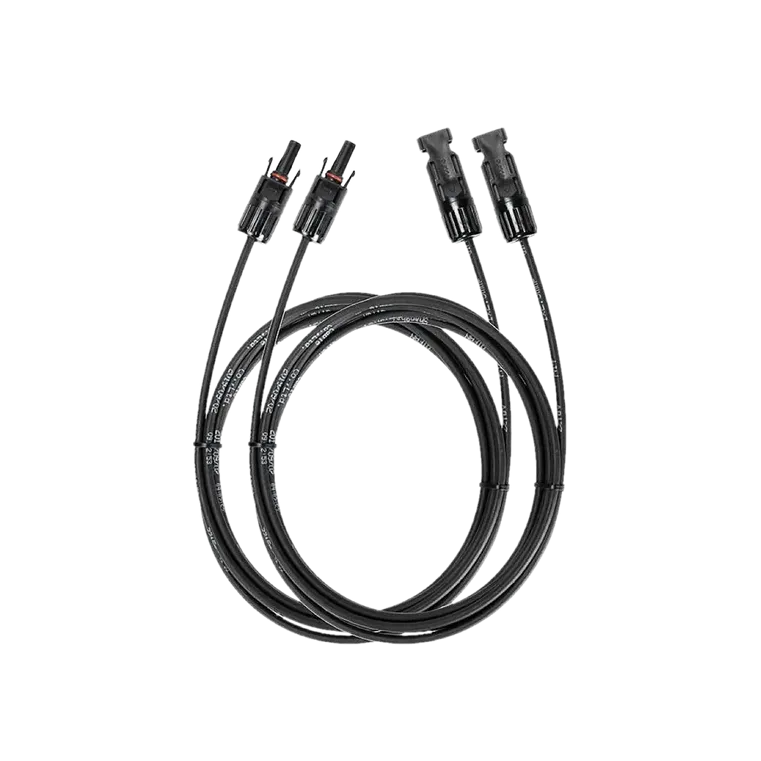
EcoFlow offers both mountable and portable solar panels, some of which are rigid, flexible, traditional, or bifacial. While EcoFlow provides various solar panel options and bundles, always prioritize panels that physically fit your vehicle; using other reputable brands is perfectly fine.
Extra Batteries
Supports the following extra batteries. Some of EcoFlow's alternator chargers use the same port which can limit you to a single extra battery. See full battery compatibility details.
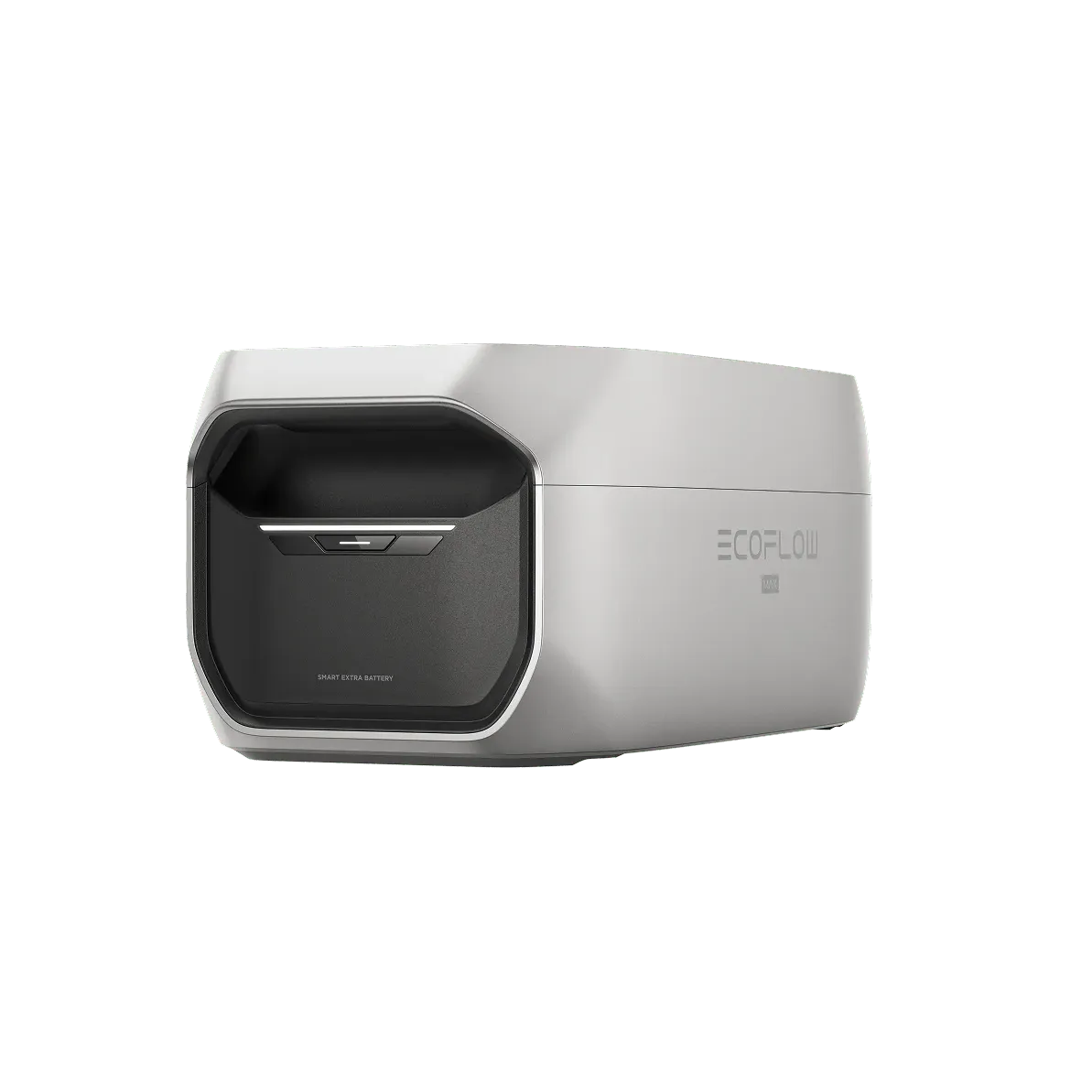 DELTA 3 Max Plus Smart Extra Battery2048Wh extra battery
Price: $799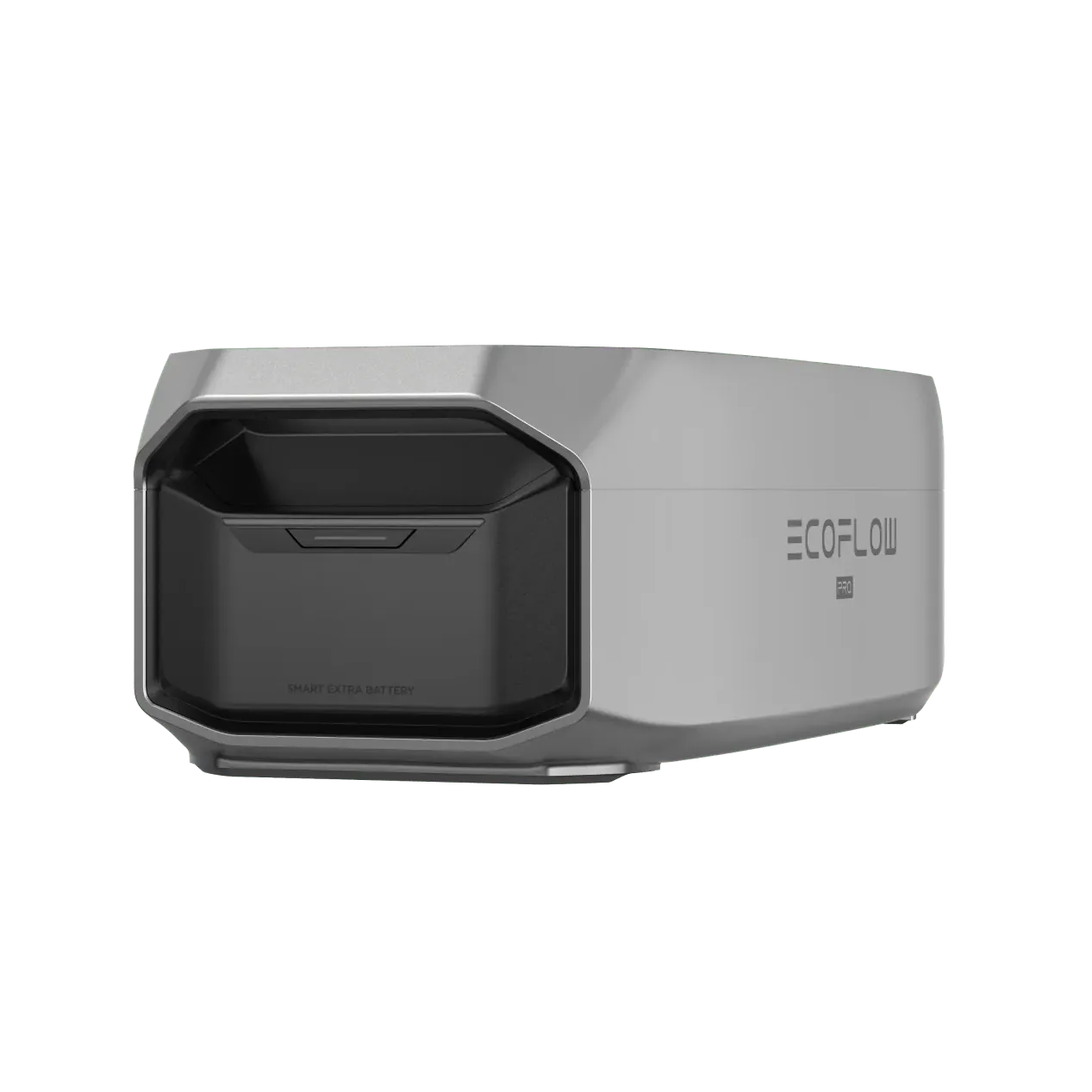 DELTA Pro 3 Smart Extra Battery4096Wh extra battery
Price: $1,899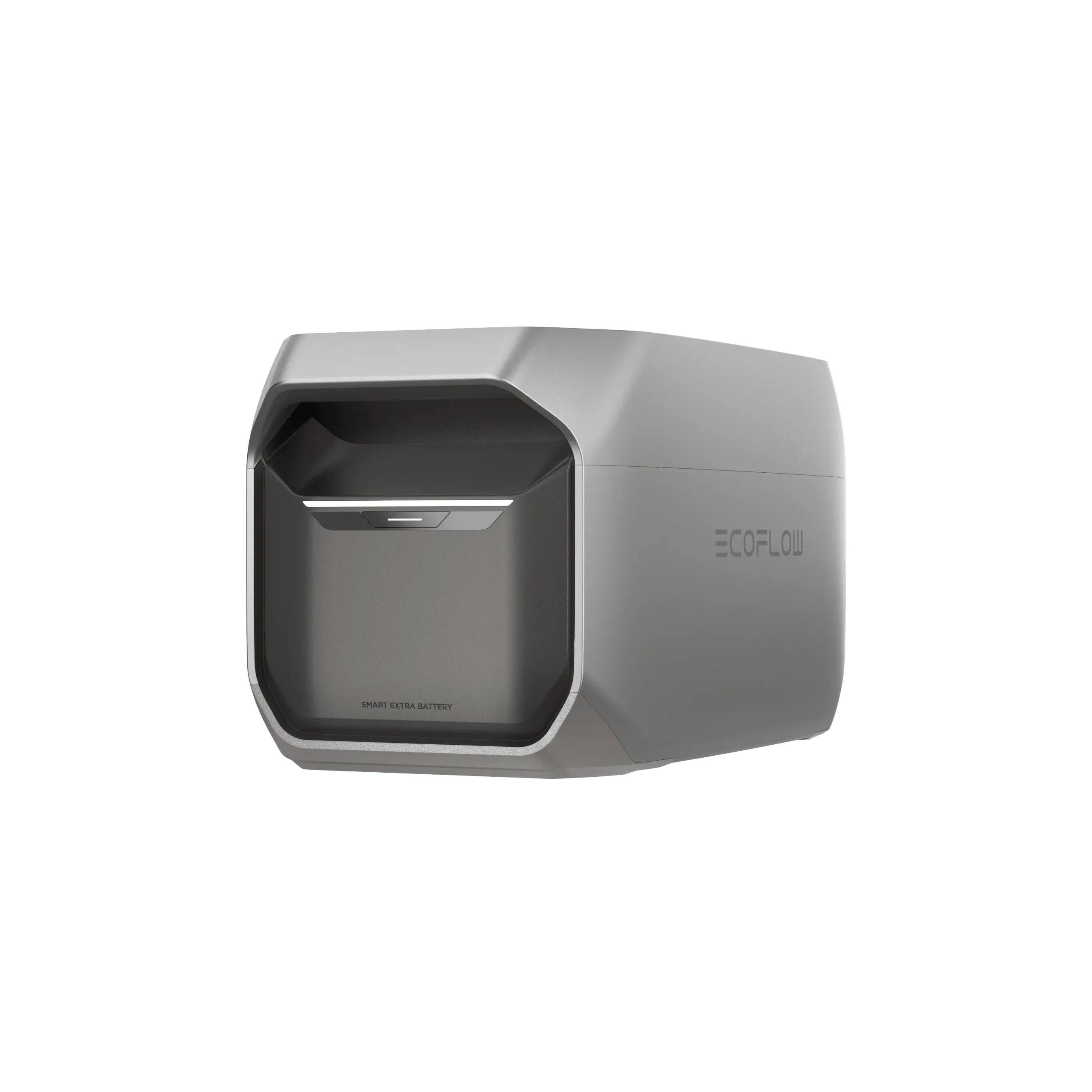 DELTA 3 Series Smart Extra Battery1024Wh extra battery
Price: $389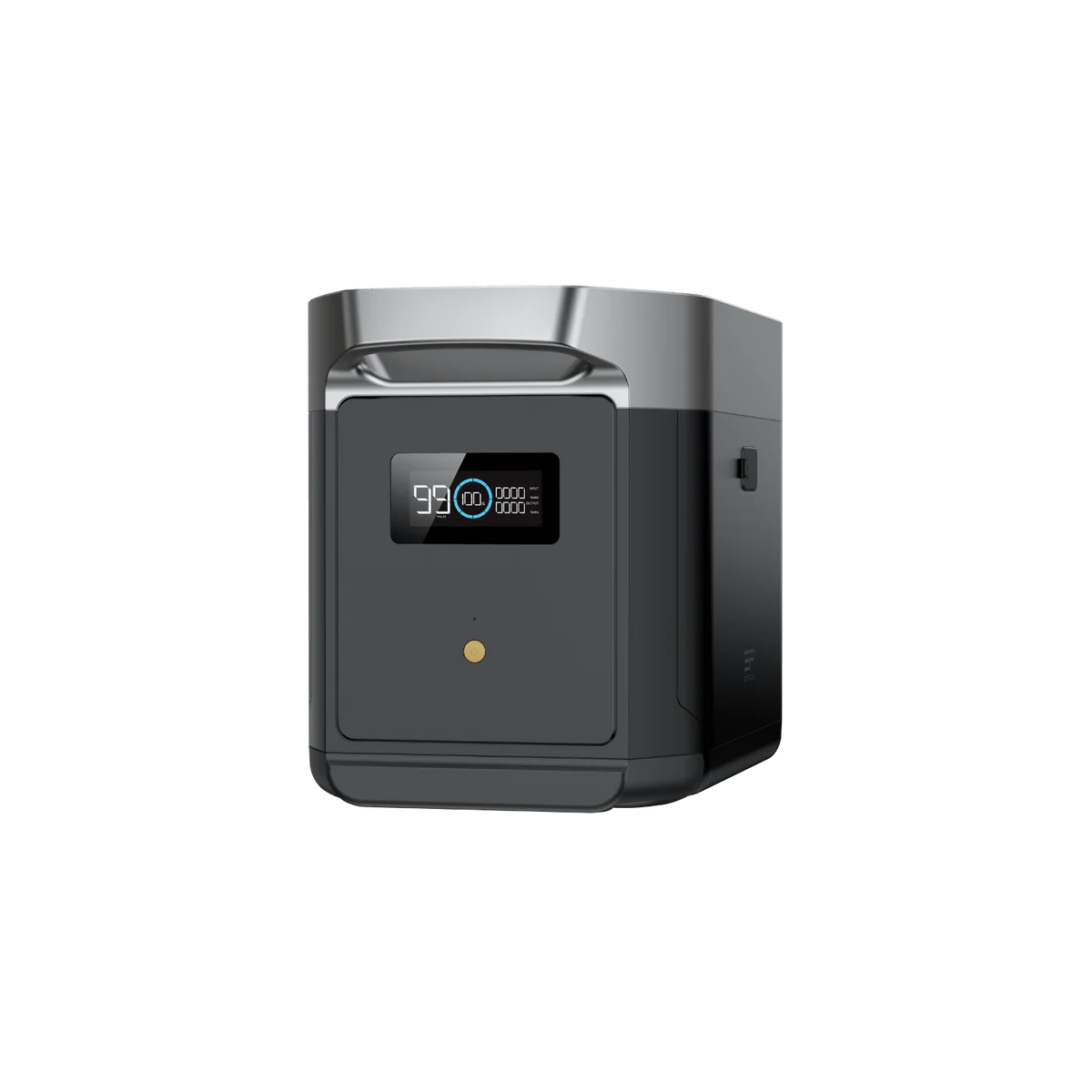 DELTA 2 Max Smart Extra Battery2048Wh extra battery
Price: $699
Other Accessories
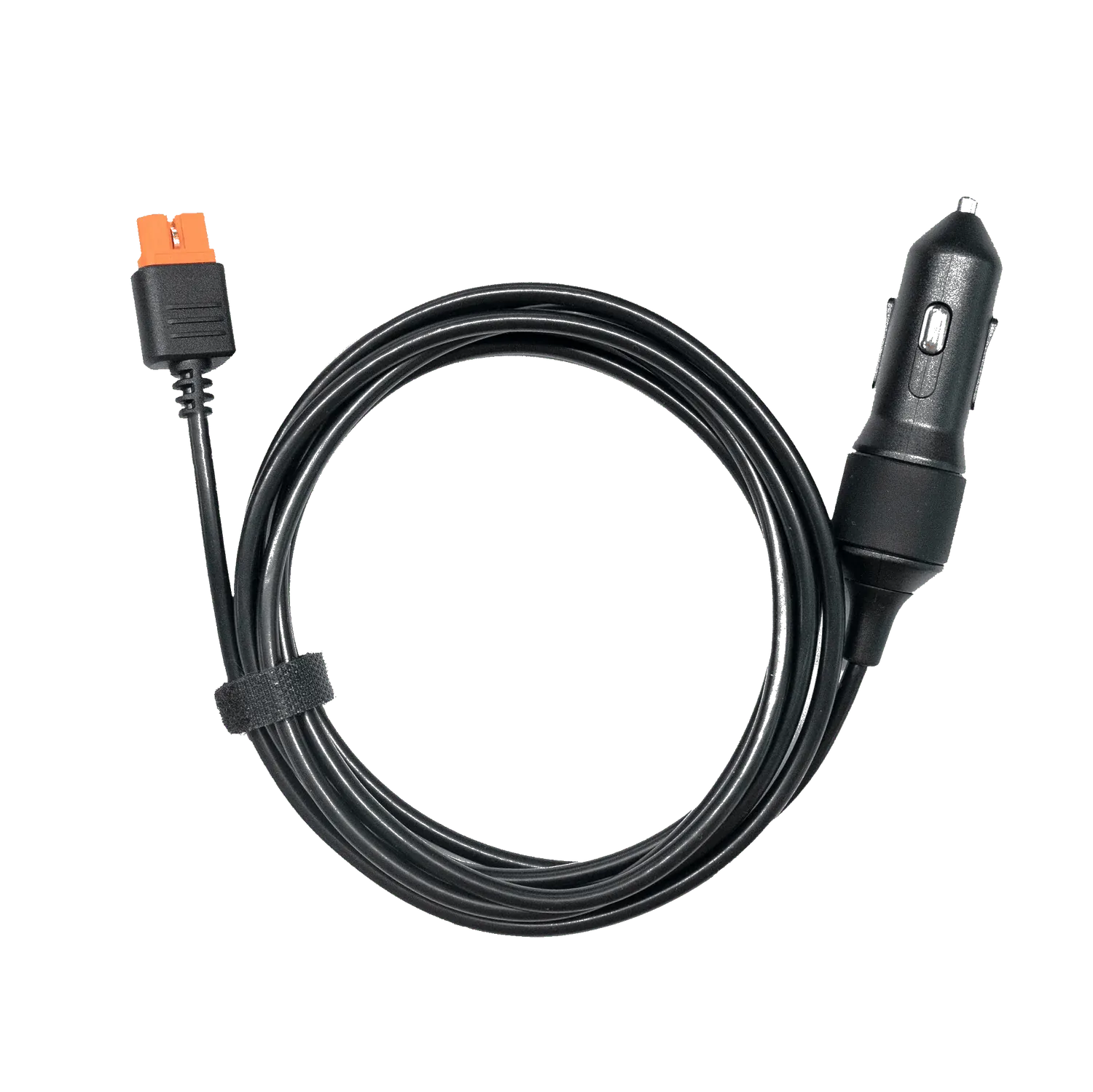
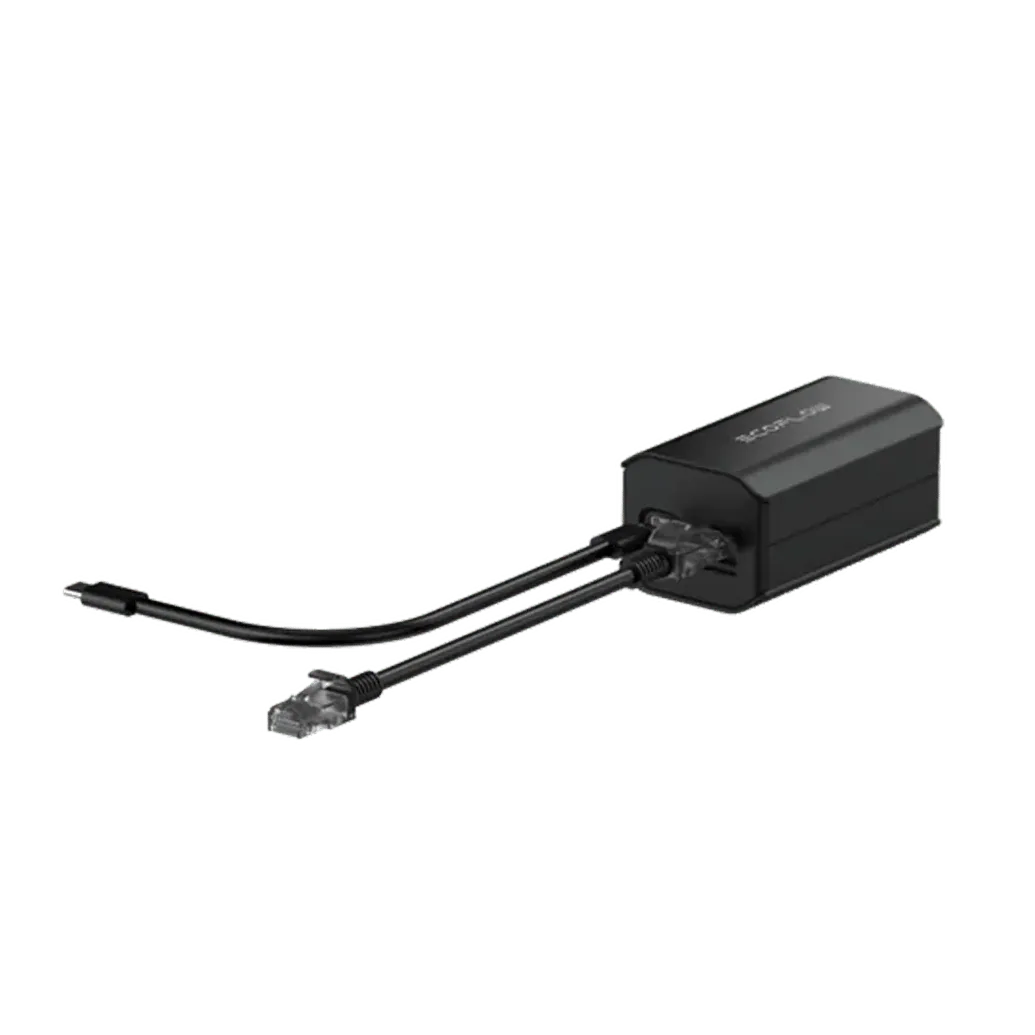
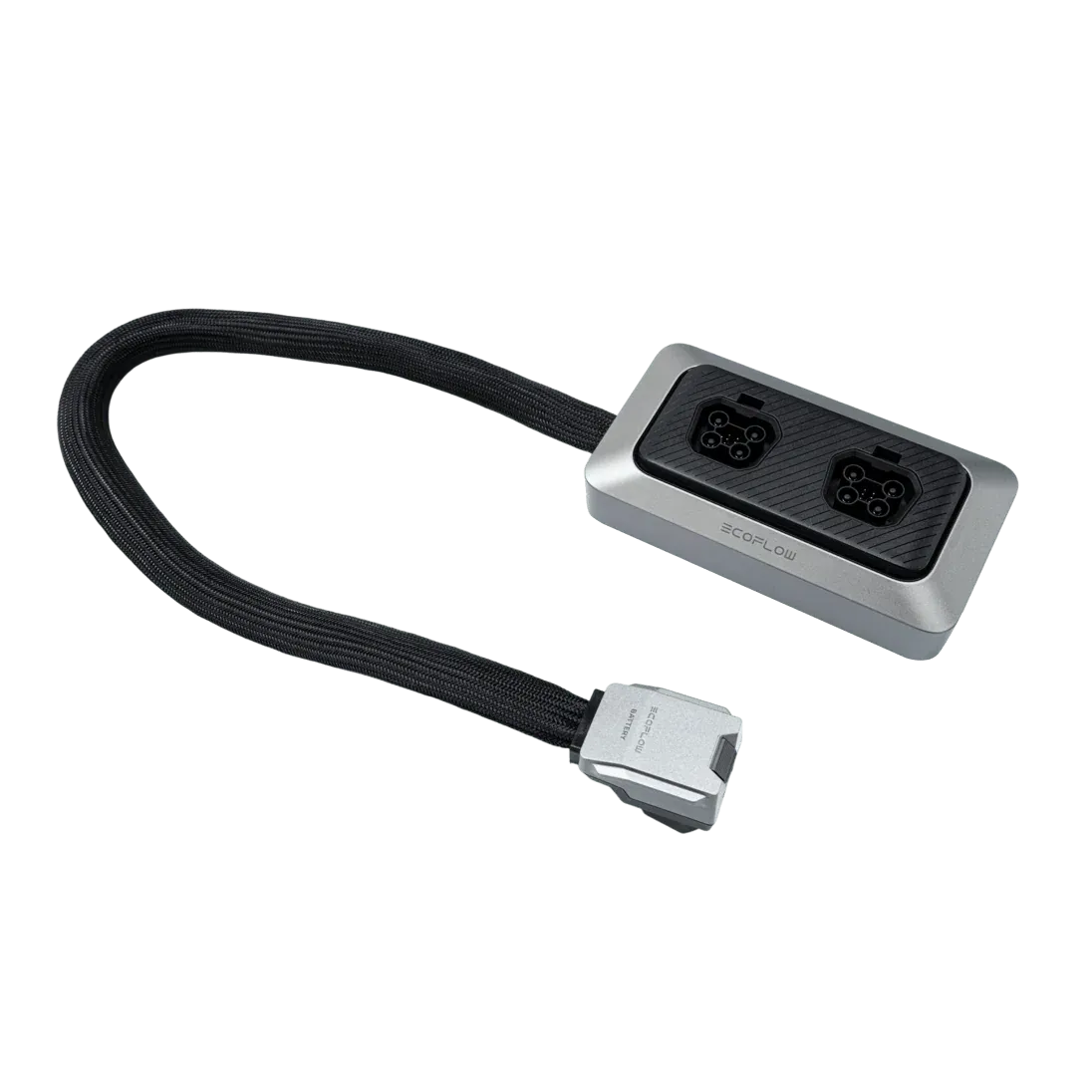 Extra Battery Expansion AdapterConnects an alternator charger and extra battery for the DELTA 3 Max Plus and Ultra Plus
Price: $199
Suggestions to EcoFlow
A few things I would like to see improved on the next version:
- Dual expansion ports: Provide two native extra battery ports on the unit so users aren't forced to buy a costly expansion adapter to use multiple batteries or run the alternator charger simultaneously.
- Increased solar input: Instead of providing two 500W ports, have one 500W port and a higher throughput 800W port. This increased input would be especially useful for larger solar arrays and when paired with the larger capacity DELTA Pro 3 Smart Extra Battery.
- Control screen accessory: Support an external control screen accessory with physical buttons like the DELTA Pro series does. This is very useful for vanlife builds where the power station might be located in an out-of-reach location.
- More USB ports: So many modern devices use USB, and a lot of gear still relies on older USB-A cables. I think the front panel should be expanded to contain at least two high-output 140W USB-C ports, two standard USB-C ports, and two USB-A ports.
My Verdict
The EcoFlow DELTA 3 Max Plus delivers an impressive balance of high-tier power and compact portability. By packing a 3,000W inverter and native 30A DC output into a manageable sub-50-pound chassis, it eliminates the need to choose between a home-backup giant and a lower-output mid-sized station. If you want a robust, high-output electrical setup for your van or mobile build without sacrificing precious garage space or breaking your budget, the DELTA 3 Max Plus is a top option to consider.
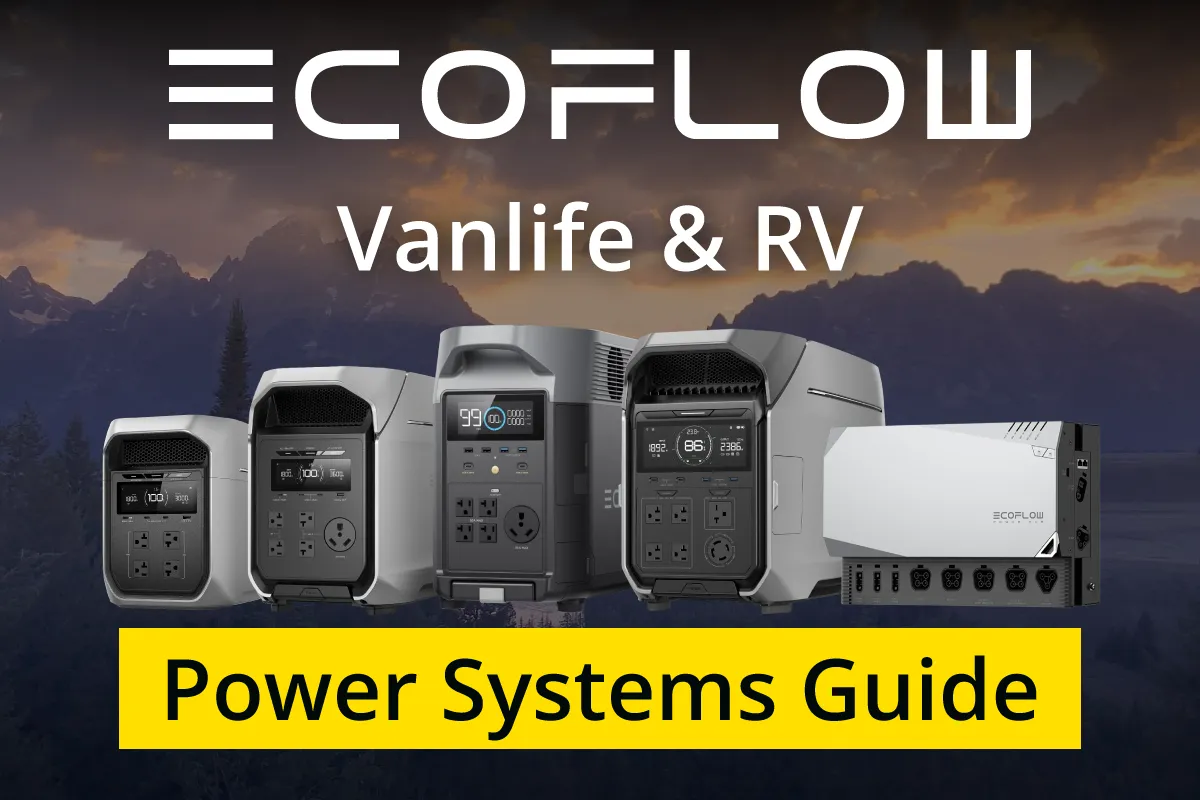
Not sure it’s the best fit? My power systems guide covers all the popular brands.